Showing posts with label Unit 11 – Film Studies. Show all posts

Wednesday, January 20, 2021

Holiday Isolation/Short Film and Evaluation

Short Film

Planning Process

Presentation/Powerpoint of the Creation of my Concept:


My Final Film Idea/Concept:

My film is linked to Lacan's Theory of Lack and our desire to fill this innate emptiness that we all have to deal with throughout our existence and Freud's Theory of the Self and how we all consist of three aspects that make up our personal persona.
Due to the current state of the world where we are all living in a time where we are more isolated and alone then, the majority of us have experienced so I decided to have my movie set during the this current Covid 19 pandemic (which also allows me to film it at home and abide by health safety standards of our current lockdown) as I explore the Orders of Lacan's theory (The Real, The Imaginative, The Symbolic) as we see my character go through isolation alone during Christmas and the effect this has on there mental state and how in this loneliness he has to battle his desire for companionship represented by the Id to reunite with his family for Christmas and the rules he must follow to survive this pandemic.
I want to use the composition of my cinematography to showcase my characters Isolation and fear of The Real which will both represent the fear of returning to a primal state of being like in Lacan's expression of lack like so many have done during the pandemic and the Id of Freud as his desire to be consumed by it which will be represented by my use of lighting having the darkness in my image contrasted with the natural goldern lighting and maybe even high Key-lighting of the interior.

Equipment List:

Tripod

For the majority of shots in this film, I plan to use static shots with centred composition is much like the work of Wes Anderson so I need full stability on my camera rather than handheld. Also, it comes with a panning function allowing me to use camera movement vertically for better efficiency.

Camera

I will be using my own Panasonic Hc-V380EB-KA Camcorder for this film, this has a 50x Zoom Lens and will allow me to use zoom ins and zoom outs for my camera movement and will allow me to capture my constant longshots to visualise my characters isolation.
It also has multiple setting that I can alter to better suit the environment as it has ISO and Shutter Speed setting for night time footage and since my film will be shot during night time it will help to keep my frame in focus and visible. 

Lighting

Will be using the natural lighting of my setting (my home) for the film to make it seem more natural almost social realism style. However, I will try and use harsh spotlight techniques with my use of an industrial stage lamp in my living room giving me the higher contrast between high and low key lighting to demonstrate the relationship between The Real outside the house and the safe interior of the home.

Final Product


Holiday Isolation

Evaluation

My Plan Vs The Final Product:

In my opinion, I successfully used the following film techniques to showcase Lacan's Psychotherapy Theory on Lack and Freud's Theory of the Self; Mise en Scene (lighting, setting, performance, etc.) and Cinematography (Camera Angles, etc.) as well as Editing. and overall achieved my goal to explore these theories in the film as I combined my influences of The End of the F***ing World (2017-2019) with its aesthetic/tone and lighting methods and the work of Wes Anderson specifically The Grand Budapest Hotel (2014) with its use of the Symmetrical Composition.
My film still follows a man as he deals with being isolated from friends and family during Christmas and how he deals with this Isolation.

Mise en Scene:

My use of Lighting created and showcased The Real Order from Lacan's Theory of Lack in psychotherapy, this was due to my use of Natural Lighting in my setting contrasting against the Low-Key Lighting of the outdoors which were often shrouded in darkness. This represented The Real due to Lacan's definition of The Real as are the most natural state which is before birth before the existence and is associated with darkness and the void as we often associate darkness with death which Lacan explains is the beginning and end of our lives. By using the Natural Goldern Coloured Lighting with this void, I am stating the inside as the Symbolic order an illusion we utilize to communicate/function in society (Gold is linked to religious ideals of innocence specifically Catholsim linking to my Setting of Christmas) as this frames the conflict of my narrative whether The Man stays inside protected from the dangers of the pandemic by The Symbolic or leaves into the void to return to his family for Christmas and return to the natural state which is also a metaphor for a time before Covid 19 (which we unfortunately at this time cannot return too).
This can also be easily linked to Freud's Theory of the Self with the Low-Key Lighting representing the Id (Desire) and The Natural Lighting to the Super-Ego (Rules of Society) which is further infused with my use of Sound in my film as I use Non-Diegetic whispers as the character looks into the Darkness outside his home to showcase Freuds Theory as they reveal the characters true thoughts and the ever-increasing fake news surrounding this virus as he must make a decision Performing as an Ego (Balance between the Id and Super-Ego) through my characters uses of Gestures and Movements as he presses himself against the window to the Darkness/Low-Key Light (id) but retreats into the safety of the natural light (Super-Ego) as the ego must make a decision between these two forces which is the conflict of my narrative.
My use of Costume also represented my character's decision between The Real/Id and The Symbolic/Super-Ego as my character throughout the film wears Brown and Yellow jumpers and long-sleeved shirts which showcases his comfort inside (as they are non-flashy lounging wear) and the Colours of his outfits represent The Symbolic/Super-Ego this was to showcase my characters mind in isolation as he is complacent in the safety of his Plato Cave situation where he lives in safety and fear of the outside world, this foreshadows his decision to stay at the end of the film, however, I also show the falter in his beliefs as he answers the door when he receives his gifts during the lockdown in a Light Blue (typically representing sadness in Colour Theory) Jumper showcasing his spiral into depression which he ultimately suppresses with the consumption of the baked goods (Props) gifted to him.

My use of the Song Please Stop the Cavalry by Jona Lewie released in 1978 about a man fighting in a war and wanting to go home for Christmas, I choose this Non-Diegetic Music to play throughout my film as I thought it was a good representation of what my character and the world is going through. Fighting a war against Covid 19 as we are unable to see the ones we care about for the Holidays we usually cherish. This also links to the theory of the lack as my character lacks the companionship he needs to fill the hole that has grown present in his isolation, this is also assisted by my use of The Dog in its Performance using my own dog who is old and lacks a haircut (due to the pandemic) much like my character in the film there matching shaggy Costume/Makeup embodies the returning to the primal state of existence of The Real and succumbing to our Id's Desires to sit around and consume (which is further enforced by my montage of eating in the film). While my film could be an allegory of the outside world being The Real and The Id it can also be argued that the self-gratification of the character inside there home as a state of Regression (when a person regains traits from there past) as explained by Freud my character doesn't want to try and challenge the world and change it for the better but remain a self-pleasuring prisoner. I wanted my film to have multiple ways for it to be analyzed with these theories and I think I succeed in achieving this with my use of Mise en Scene.

However, due to my film taking on this many theories and because I wanted to create multiple ways for this film to be analysed I fear I have made the message of my final work unclear and have failed to create a clear image in my film for the Lacan and Freud's Theories and if I was to do this piece of work again in the future I would have multiple characters personify The Order (Imaginary, Symbolic and Real) and The Aspects of the Self (Id, Ego and Super-Ego) but due to the safety regulations of the current lockdown this was filmed during it was simply not possible. I would have also liked to include a more cleat example of the Imaginary Order (Illusion of what an object of desire looks like to the individual) within this film possibly by having it more obvious that it was the Prop of the Ginger Bread Christmas tree as its what inspires him to attempt his escape however this illusionary fantasy is then realized and abandoned showcased in the eating of the baked good before the end credits. To improve the metaphor I should've used more obvious High-Key Lighting techniques and use of dramatic Non-Diegetic Music when he discovers it similar to a rom-com like Sleepless in Seattle (1993) when the characters meet for the first time in person. 

Editing:

In my film, I use Editing Techniques to showcase my explored Theories of Lacan and Freud. For example, I displayed The Mirror Stage from Lacan's Psychotherapy Theory of Lack which is one of the stages of development according to Freud where we as humans recognize our selves in mirrors or more accurately the outside image the world sees. I demonstrated this stage by having the character staring into the mirror Prop/Decor) during one of the scenes, I then used Split Image and by using Cropping Tools on my editing software (Premiere Pro) I overlapped two pieces of footage to make it look like his reflection was an independent character in the scene from himself. This was to represent him losing his sense of self in lockdown as the image walks out of the mirror leaving The Man without a reflection, signifying how because of being inside for so long he has forgotten what his image to others looks like and expresses his found realization of his lack that cant is filled according to Lacan.

I also demonstrated the Oral Phase, which is the stage of early adolescence birth to 1-year-old where the Id is generated as the child learns to yield satisfaction and survival from putting things in its mouth according to Freud's Theory of the Self, by using Montage Sequence Editing in my film.
I demonstrated The Man regressing into the Oral Stage as I cut between the basket full of baked goods that the character receives and a Closeups on his mouth as he consumes them I also Speed Up the footage in Post-Production to make the motion and time period seem more fast-paced and animalistic as it represents my character embracing the Id through his pleasure in consumption and by Zooming In on my characters mouth it evokes the image of a baby eating linking back to the adolescent of which this stage takes place and showcases my character at his lowest point in the film. Also, the contrast of the Shot of the orderly basket and the Cut to the chaotic unpleasant imagery of my characters chewing mouth showcases a battle between the characters inner self The Super-Ego represented by the orderly Basket of Baked goods and the characters maw symbolising the Id.

Overall I think my use of Editing successfully created the stages of development believed in Lacan and Freud's theories as I created accurate displays of self-reflection with the Mirror Stage and the Characters dive into regression into self-indulgence of the Id/Oral phase. however, I think I could have been more creative in my Transitions between scenes and if I was going to do this project again I would use more of an Edit to the Beat Style in combination with the Non-Diegetic Music to make it feel more Rhythmic and sequenced making the film seem more like a daily routine similar to prison to add to my characters feeling of isolation and living under the thumb of the orderly Super-Ego.

Camera:

I used Cinematography/Camera to showcase Expression of Lack through the theories Psychotherapy of Lacan and the Freudian theory of the Self, for example, I used Composition in my film to display fears of The Real and the Relationship between the Id and Super-Ego.
Taking inspiration from the use of Composition in The Grand Budapest Hotel (2014) I used cardboard cut-outs of frame shapes and Edited in frames around my footage to mimic the Aspect Ratio of my Camera changing with this I created Symmetrically Flat Composition this to make my character closed in by the darkness of outside the frame meant to represent The Real Order and how he is trapped with this Setting (home) via this outside darkness of the edges of the frame.
This becomes especially apparent in Opening Shot of the front door as we see it encompassed by this outer frame as we see the door represent the Symbolic Order and Super Ego with its symmetrical circle of the Christmas Wreath encompassed by the Id/The Real on its outskirts. This also symbolises the environment of the home surrounded by the void.

I enforced my character's relationship with the lack as I used Long Shots to make him seem encompassed by the Setting around him Isolating him and making him positioned in the door frames and archways within the Setting as well allowing the Camera to make the image feel hollow as he is unable to fill it much like Lacan explains how it cannot be filled in real life and it is a necessity to understand how we will always be misunderstood.

My use of different Camera Shots during the film showcases the conflict of the self in Freud's Theory as we see a battle between them throughout my film as we see from  The Mans introduction Shot we see him framed in both a Long Shot (representing the Super-Ego) and a Closeup (Representing the Id) which continues throughout my film as we see this shots constantly contrast and follow each other. This is further proven in my last shot of The Man as we see a Long Shot film his decision to remain indoors as he exits and returns to his home during a Long Take. My use of Static Camera (by using a Tripod) with these Shots enforce the feeling of the Super-Ego as an oppressing force as the camera is stuck with the character which is why in contrast all my Camera Movement takes place outside like my Whip Pans when The Man answers the door for the basket and the Panning Shot of the Moon to reveal the shot of him in the window.

In conclusion, I used Camera to convey Freudian Theory of the Self with it displaying the conflict with the Super-Ego and Id as well as The Real and The Symbolic relationship that Lacan breakdown with the contrast of Longshots and Closeups and Camera Movement/Static. However, I feel I could have made this more obvious with this composition combined with Split Lighting to symbolise these opposing theories and I think I could have gotten more equipment (like a Dolly) to make my Vertical and Horizontal Pans more fluid and professional, however, since I was working with the equipment I had at home I think it makes the film feel more grounded much like a social realism film making it more impactful to the audience as it feels like it was filmed by someone in the pandemic right now.

Final Conclusion of Holiday Isolation

In my opinion, I achieved my goal to create a film that showcased the Theories of Lacan and Freud using Cinematic Techniques of Mise en Scene, Editing and Camerawork, however after completing this piece of work I feel I have come around to new ideas that film can represent and knowing what I know now there are multiple technical improvements I would make.
But if I was to do this again I would include The Male Gaze Theory of Mulvey in this film to better showcase my characters obsession to leave his home during the pandemic with Fragmentation Techniques used on female characters to highlight my Setting rather than a character in its Cinematography I think this could have created an interesting experimental style.

Reference List:

The End of the F***ing World (2017-2019) Created by Charles S. Forsman

The Grand Budapest Hotel (2014) Directed by Wes Anderson

Thursday, January 14, 2021

The Expression of Lack in Film and Jacques Lacan

Jacques Lacan's Theory of Psychotherapy

Parisian psychiatrist Jacques Lacan was a student and original interpreter of Freud's psychotherapy/psychoanalytic theory and was renowned for his ideas on relationships and how we view ourselves. He believed in the three orders of our reality: The Imaginary, The Symbolic and The Real. This classification system was his way of translating Freud's work for those confused by Psychotherapy's original idea's and how these relate with the self and others.

Overall Lacan believed that we are alone in our minds unable to express the feelings and emotions that make us what we are. To be forever misunderstood as individuals from our peers and loved ones much like Freud, Lacan saw our unconscious as being  "structured like a language” within the essay "The Insistence of the Letter in the Unconscious" as our individual selves are coded and undecipherable to others as he linked this theory to Ferdinand de Saussure (linguist and philosopher)  who identifies as the brain as being constructed by individual experiences.

Which explains how during our development our opinions on Identity, Relationships, Politics are constructed as we get older through our environment as we come to terms with The Imaginary, The Symbolic and The Real.

Lacanian Psychoanalysis BY NASRULLAH MAMBROL on APRIL 17, 2016

Lack of Being

The Lack of Being as Lacan states relate to these foundations of Freud's work, the relation of lack however isn't the lack of something it is a fundamental emptiness within all of us as we are all unable to fill this void with distractions and false desires which we want for the sake of it.


PSYCHOTHERAPY - Jacques Lacan

The Imaginary Order

The Imaginary order is a narcissistic part of ourselves as humans as we create a fantasy image of ourselves and their object of desire and are intertwined with The Symbolic as they both are battling forces against The Reality. This relates to our Lack of Being as it creates a false goal and image for ourselves to occupy the innate emptiness within us.


500 Days of Summer (2009)

A common example in films of this is the romantic comedy meet-cute where two characters meet for the first time and fall in love/become attracted if not obsessed with each other.
As the film creates a fantasy of the protagonists love interest and makes the protagonist seem interesting to that character as they become an avatar for the audience.

Examples of Meet-Cutes:


Meeting Joe Black  (1998)

In Meeting Joe Black we see these two characters meet in a coffee shop, we see the woman is curious about the man as she looks over at him as she overhears his conversation on the phone. The man seems charming as he approaches the woman and sits with her the chemistry between them is instantaneous as it showcases The Imaginary. The man seems perfect as he is a lawyer working for local charities as the object of her and our affection which is further enforced by the actor playing the man being Brad Pitt who is looked at as one of the most good looking male actors in Hollywood.


Big Fish (2003)

In Big Fish, we see in this scene the protagonist feel all time stop as he sees his perfect woman in the crowd the grandiose use of set design and special effects as time stops and starts again makes it a clear example of The Imaginary Order as she glows like an angel due to the use of digital added lighting and high key dream lighting as this is a fantasy invented by the character towards their object of affection which we also take on as an audience person.

Technical Analysis of The Imaginary in Big Fish (2003):

Mise en Scene:

Performance Ewan McGregor as Edward Bloom displays the Imaginary Order with his unearthly obsession as we see him stare at Sandra played by Alison Lohman as he looks sand narrates her as his dream woman as he embodies the Imaginary Order perfectly by projecting this image of himself and as her as perfect soul mates. Despite the fact, he doesn't even know who she is.

High-Key Lighting is also used to get this point across as it makes the image seem dreamlike, as this Lighting Technique is often used in films like Gladiator (2000) when Maximus dreams of his former farm home and its field where he imagines his dead loved ones. This symbolises the Imaginary Order as it once again showcases this illusion of the object of the desire for Edward for a character's dream/paradise which in this case is his self proclaimed destiny with Sandra.

The use of Costume in this seen with Edwards red shirt embodying the passion/desire he feel s before his object Sandra who also wears a blue dress symbolising her projected perfect innocent as the perfect woman in Edwards mind. This use of colour theory and bright colours in this scene also portray the Imaginary Order as it once again puts these characters in an almost fairy tale aesthetic as it is the Imaginary viewpoint from the onlooker (Edward) and the object of desire (Sandra).

The Non-Diegetic Sound of the Musical Score classical romantic music with its use of the Piano a classic romantic instrument showcased in films like Singing in the Rain (1952) and more recently La La Land (2016). Giving this the Imaginary effect depicted in a romance movie and especially in musicals furthers this idea of the Imaginary in these characters as we see them in the true fantasy of true love which does not exist the Lacan and this theory.

Camera:

The Composition in this scene of our two romantic love interests furthers the idea of The Imaginary with the framing of them in the Centre Frame they are the only interest of both characters as they are in the mind of the male protagonist Edward they only ones that matter in the scene so despite the chaotic surrounding by having them in the Centre Frame at Eye Level the audience also belives this idea of the ideal as we can't help but also just concentrate on these two lovers and belive the false illusion Lecan belives.

Closeups in the scene look intently at both Edward and Sandra as the use of these make us more invested as we see how Edward looks at her and it highlights the emotion/love within his eyes we cannot help but also fall under the guise of The Imaginary Order.

Editing:

C.G.I (Computer Generated Images) In the clip with the glow of Sandra added to the image in Post-Production makes her seem celestial as her bright contrast once again makes her the ideal object of desire that the onlooker, in this case, Edward sees in her as the "love of his life" as the Narration states.

Use of digital stilled objects added in Post-Production makes the whole seen stop in time other than Edward and Sandra conveying the idea of love at first sight which is another example of The Imaginary in our media and culture as the object of desire is first revealed to the individual.

Breakdown of The Imaginary in Film

 If you want to breakdown the meet-cute and its many different structures check out this video by Studiobinder. Overall the Rom-Com movie represents The Imaginary perfectly as it shows the fake perfect selves of the protagonists with the ideal significant other we wish for and searches for as the object of our desire that does not exist in real life.


Writing a Meet Cute — From Eternal Sunshine to La La Land, Romeo to Scott Pilgrim by Studiobinder


The Rom-Com Formula, Explained by The Take

The Mirror Stage

The mirror stage is heavily linked with The Imaginary as it is when a young child between 6 to 18 months old who identify there own image or the ideal ego (part of ourselves that imposes concepts/ideal behaviours developed from parents and environments) by identifying themself in a reflection most commonly a mirror.
 Lacan thought that this stage of childhood established the relationship between one's Ego and one's Imaginary Order as places of isolation, as he states "alienation is constitutive of the Imaginary order" this narcissistic as the Ego which keeps balance with ourselves and sustains our image of self-worth as we trick ourselves into believing a fantasy of what we are as individuals, once again linking back to Lack of Being as this false reflection created by our Ego and Imaginary Order makes us more comfortable and fulfilled.


LACAN'S MIRROR THEORY:

Jacques Lacan - The Mirror Stage by Then & Now

Examples of the Mirror Stage in Films:

In films, the Mirror Stage is heavily linked with ideas of self-identification as commonly we see characters look at themselves in the mirror. This can be for moments of change like when a character sees the horrible state they are in and makes an active change in their life like in Gone Girl (2014) cool girl monologue as she comes to terms with the despair/unhappiness of her life. Or it can be when a character looks into the inner demons of themselves like in Nightcrawler (2014) as he shatters the mirror of his own reflection we see how his carefully constructed persona comes apart with the slightest failure. The mirror in movies has and will continue to show us what the characters are if they are monsters or lost souls. Unlike the mirror stage reflections in films are true as we see the faults of our characters unfiltered including there inner lack of something which we can all relate to.


Black Swan (2010)

Throughout the film of Black Swan, we see the metaphorical Black Swan of the main character begin to invade and terrorise her as we see it represents her darkest self as her passion and obsession to perform her role in the ballet to the greatest of her ability becomes dangerous to her self and others. The mirror image represents the anxieties and fears of her as a ballerina and the body issues and negative hostile parts of the dance world came through the mirror to show the viewer the inner suffering of the character in the work field. Which also shows how she lacks the ability to be seen which is confirmed in the ending as by the time they notice she is suffering it is too late as The Imaginary fantasy self causes the real self to collapse. 

Nightcrawler (2014)

The main character suffers a loss when a rival Nightcrawler steals a crime scene exclusive we see the protagonists carefully mannered professional shell collapse and shatter with the mirror as the inner damage and anti-social (sociopathic) behaviour of the character comes to the surface as we begin to see how dangerous this character is as after this point he starts committing the crimes he reports. Conveys the construction of this character's fantasy self from The Imaginary order and the lie that is this fake image.

Technical Analysis of Mirror Stage in Nightcrawler (2014):

Mise en Scene:

In this scene from Nightcrawler, the Performance of Jake Gyllenhaal as Lou Bloom depicts the Mirror Stage as we see him in this short clip transform from the business savvy level headed persona that Lou portrays in the film drop and as he stares into the mirror his Facial Expressions and Body Language change to almost ape-like as he angrily grabs the mirror and yells at it. Showing us the inner dangerous person hiding under the surface which showcases the mirror stage perfectly as he recognizes himself in the mirror but understands that this is the only place to keep his inner rage on the inside. But for a split moment, that persona drops and we see who he truly is.

Lous Costume of an un-done white button-up showcases the contrast between his surface-level business persona and the chaotic dangerous man underneath this with the use of Decor with the symbolic smashing of the mirror we see that Lou has now abandoned his false self and fully released the inner damaged man inside. Much like the mirror effect we don't understand the true Lou and fear of what he will do as like everybody else can never be fully understood by anyone. As Lecan explains in the mirror stage effect.

Camera:

Closeup of Lou contrasted with the false sense of Shot-Reverse-Shot due to the Composition centring on the mirror as we see him staring at his false self and growing frustrated and angry as he doesn't recognize himself as the person on the inside will never be fully known to the outside world as Lecan explains about this in the mirror effect that this scene clearly takes inspiration from.

Breakdown of The Mirror Stage in Film

This video breaks down when cinema uses mirrors and what it means in the narrative and how it affects the audience. As we see very different techniques to convey the Imaginary Order using the mirror in films.


When Movie Characters Come Face To Face With A Mirror by Fandor

This furthers Lacan's ideas of us all bing being misunderstood as we lack the ability to understand each other the mirror in films is a perfect metaphor for looking into a characters souls as it can show there guilt and sins, bear for the audience to see.

The Symbolic Order

The Symbolic is the world of communication and information about our society (law's, Taboo's, etc.). Can also be called the Big Other this is when a child learns to communicate and accepts the restrictions/rules of that society are they allowed to interact with others usually being able to communicate at 12 to 18 months and develops through varied stages through early adolescence.
However, the learning of how to communicate does not fulfil our lack and is just developed to get by in their society and allows us to talk and contact others in hopes of once again filling our emptiness with relationships which is where The Symbolic is most commonly seen in cinema.


Relationships and Love

"What does it matter how many lovers you have if none of them gives you the universe?"

I found this quote from an art piece by Bjørn Erik Haugen "What Does It Matter How Many Lovers You Have If None of Them Gives You the Universe" named from the source of the quote one of Lacan's lecturer's in 1971 is a video of Lacan's speech with the audio replaced by a non-coherent collaboration of piano keys.

This perfectly sums up The Symbolic and its relation to love as Lacan believed it to be a gesture from society moralities however it is false and impossible to communicate our true selves to one another much like Bjørn art piece which uses piano noises to cover the lectures audio thereby making it uncomprehensible we can not be understood by anyone and the Symbolic Order that establishes relationships is another thing to fill the Lack of Being in us all.

Love is an illusion of connection and is carried over through our lives via the process of Transference of Love (where love is decided by what that society determines it to be) and is carried over from childhood experiences like your parent's relationship causing those behaviours to repeat in that new relationship as the battle between the symbolic the imaginary causes love to never work or fill the Lack of Being.

In the film, the symbolic order is showcased through characters success or unsuccessful attempts of communicating with characters in dialogue or the movie itself narrative breaks down and analyse how we communicate.

Examples of Films about Communication/The Symbolic Order:

Arrival (2016)

The plot of Arrival is a clear example of a Symbolic Order narrative as it's plot is about figuring out how to communicate between a newly landed intelligent alien race, as our main character tries to figure out how to decipher their language as a professional in that field and how the symbols and words we use are just concerts created by our society. Despite how these creatures communicate may seem hostile in actuality are concepts are just made up ways of communication that has to be figured out just how Lacan explains the Symbolic Order.

This video by The Take breaks down how Arrival talks about how we communicate through filmmaking techniques.


Arrival Movie's Language: Talking in Circles by The Take

Adaptation (2002)

The plot of adaptation is about storytelling and this relates to The Symbolic as it analyses how we communicate through filmmaking as it breaks down the narrative structure and how writer and filmmakers create meaning about there own personal experiences and beliefs however like all work by Chalie Kaufman it ultimately showcases the pointlessness of these stories as they have only one purpose to distract us from the emptiness of ourselves from the Lack of Being that Lacan believed in.

This video breaks down the narrative structure of adaptation as it looks at the issues of being a screenwriter and how the writer struggles to write those stories through film techniques.

Adaptation by Lessons from the Screenplay

Technical Analysis of The Symbolic in The Don Jon (2013):

Mise en Scene:

The Performance of Joseph Gordan-Levett as Don Jon showcases the Symbolic order as we how he acts around his friend Bobby played by Rob Brown as a prime example of a bro archetype as its clear he showcases very synthetic ideas of women and their attractiveness with Bobby. However, he changes his Tone and Dialogue/Maneursms changes in his Performance slightly when speaking to Scarlett Johansson as Barbara as he is trying to get her to go out with him again. This display the idea of The Symbolic as we see how Jon communicates is a way he navigates around those he talks to changing himself around those conveying Lecans ideas of this being a false front to navigate society.

The Lighting of the scene also displays The Symbolic with how it changes when talking to his friend vs to when talking to a love interest, Low-Key to High-Key showcasing how this aspect of the self changes to better fit with the environment as don Jon when with his friend Bobby symbolised by the Low-Key Lighting shows how he can open up about me inner desires while with Barbara the High-Key lighting showcases the false language and society transaction of language in order to get her to sleep with him.

Camera:

The use of Cinematography also demonstrates The Symbolic as we see how the Shot Composition between Jon and Bobby which utilises a simple use of Medium Shots and Closeups to convey they are close and are both friends with the amount of intimate conversation they share as Bobby gives Jon advice while the Shot Composition with Barbara that level of intimacy with Closeups as to be earned outlining how The Symbolic represents how we communicate with each other in day to day life and how these friendships have to be earned and in this scene Jon is trying to earn this intimacy with Barbra by portraying a false image of himself highlighting the fakeness that is the Symbolic and how it is an ultimately useless gesture to navigate through the day to day and nothing more. And when the Shot ends on a Close-up o Barbara we know Jon has one this game of fake intimacy to get what he really wants, sex.

The Real Order

The Real is the being of which we are severed when we learn to communicate via language. However, it also means its a state of only need a primal state of pure survival. 

The state of being also known as the infinite is our state before consciousness before we develop before we exist, the counterpoint to The Symbolic which is a learned experience while The Real is unlearnt as we learn to exist. The closest we get to this stage is when we are newly born when we seek food for survival, etc. 


The Real in films is represented as the horror/the darkness which can also be an allegory for death which is just returning to this previous unlearnt state. It can also be argued that chaos and the collapse/destruction of society and law for The Symbolic representing the fall communication and morality. The loss of a character's dream as they lose confidence and self-worth is clearly from The Imaginary as they are destroyed by The Real as we return to a feral animal more natural state of being. In an attempt to fill the void caused by our Lack of Being but ultimately the destruction of these illusions and laws of morality will not cause us to feel any more fulfilled.

Examples of The Real in Films:


Lights Out (2016)

In lights out The Real is represented by the darkness and the monster within it as it seeks to destroy and kill the characters by dragging them into the dark, returning them into that state before death/the infinity through the natural and artificial lighting with harsh shadows and how they need to see and experience the world through light is the ultimate way to defeat this enemy.


Fight Club (1999)

Fight Clubs enemy is returning society to The Real a primal state of existence as it destroys The Symbolic through the destruction of credit card companies meaning currency will be made inert and capitalism consumption/way of life will fall apart. This also destroys The Imaginary fantasy as the reality of Tyler Durden true form is revealed and their rebellion is shown for the horrific terrorist group that it is.

Technical Analysis of The Real Order in Fight Club (1999):

Mise en Scene:

Lighting in this scene expresses The Real Order with its use of Low-Key Lighting which conveys the void in which we see these characters want to return as we see them look down on the life the other orders The Symbolic and The Imaginary express and maintain have over there world and how they look down on it from the setting being a literal skyscraper as they literally look down on them from the Setting.

The Black Costumes of the character especially Tyler Durtons Space Monkies express there desire to return to this state as they are decorated in the Colour Black commonly associated to the void the place the real exists before are exsitence the place they wish to return by destroying the symbols of The Symbolic and The Imaginary.

The Non-Diegetic Music of Where is My Mind by The Pixies also links this scene to the void as the lyrics literally asking for what is our existence as human being and questions how the orders of The Symbolic and The Imaginary distract us from our most natural state of existence that the characters want to return, the primal state as Lacan would say.

Camera:

The Close-Up on holding hands of Marla and The Narrator/Tyler Durden expresses the want to return to this primal state of survival for our characters as the imagery of a man and a woman as the world burns represent Adam and Eve as humanity can once again start again absent of the social born Orders of The Symbolic and The Imaginary. The Composition of both of them centred in the frame as we see the buildings explode shows how they are returning to a time before the rules of society mattered, our most natural state.

Editing:

C.G.I (Computer Generated Image) of the buildings falling away symbolises through images the friction between the Real and The Imaginary represented by the bank's storage records blowing up meaning the dream of capitalism is destroyed allowing America to return to the state of The Real, without the fakeness of modern-day life. The clip hides in its Editing the image of Male genitals which also expresses are more primal desires of the Real State to breed to eat to survive, and more specifically how men relate to this idea more and more as traditional rules of The Symbolic and The Imaginary for men are constantly challenged and broken down as society becomes more open to new ideas and strays further from are animal/natural state of the previous excitence.

The Expression of Lack in The Lobster (2015) Sequence


Directed by Yorgos Lanthimos this sequence is from The Lobster (2015), set in a dystopian future where if you do not find a significant other and couple up with them you will be turned into an animal this scene takes place halfway through the film where our main character has decided to couple with the emotionless psychopath by pretending to exhibit similar anti-social personality behaviours. This scene showcases Lacan's Theory of Lack through Cinematic Techniques as we see him act maliciously to the woman who is screaming in pain after attempting suicide to earn the Heartless Woman's affection.
The scene showcases Lack of Being via the use of the three orders The Imaginary, The Symbolic and The Real which are broken down by the film techniques. 

We see the world Lathimos creates in this scene from The Lobster is absent of The Symbolic as our characters Performances during the Dialogue between David and the Heartless Women during there interaction and even the Non-Diegetic Narration is deadpan and lacks the complexity and politeness we usually display in normal conversation as it sounds almost robotic. This is further proven by the Heartless Women's reaction to the Biscuit Woman's suicide attempt, as the Biscuit Woman screams in agony as she lays on the ground after jumping from her bedroom window. The Heartless Woman just stares from her chair as she drinks her tea, this lack of morality from her showcases the Film from Lack of Being as the woman acts more like a machine than a person with morality/moral compass.

The Imaginary in this film is showcased through the character's perception of a couple on a tennis court as he looks at them he realizes he is willing to do anything to get into a couple showcased through the use of Camera and Editing Techniques as the Camera uses a Zooming Len's to Zoom Into an Over the Shoulder Shot as he looks at them this is when he has decided to try and couple up with the Heartless Woman. This perfectly shows the Imaginary Order as it's clearly artificial and fake like Lacan said as he has constructed feeling for her as he talks about how he likes her "short hair" and invents a fake self to woe her by acting as cold as she does to the biscuit woman's suicide.
Lanthimos is committing on the fakeness of relationships and Lacan's lack of being clearly being presented as the character of David is trying to use the Heartless Woman to fill the gap within himself that he thinks a relationship will fill.

The Real is represented by the Diegetic Sound of the screams of the biscuit lady as well as the High Angle Long Shots of her face down in agony on the pathway of the hotel. The use of her screams creates an ever-present fear David has about being returned to the state before life to a primal life of only need which is what will happen if he fails to find a partner and is turned into an animal. The biscuit lady being isolated by these Longshots in the Cinematography indicates Davids fears of being alone which is why he immediately disregards her when talking to the Heartless Woman along with the grey Colour pallet the environment and tone of this scene are that of lack as the characters lack fulfilment and the symbolic Order of normal conversation forcing them to ish and hope for the Imaginary making them robotic machines that are still unfulfilled due to the lie Davids must tell about his feeling toward the Heartless Woman to become a couple with her.

Overall this scene from the Lobster clearly shows the expression of Lack with its use of the three orders of Lacan using cinematic Techniques like Mise en Scene (Sound, Performace, etc.) and Cinematography as the character of David lies to himself and others like the Imaginary Order to fill the emptiness within himself from lack of being and fears of The Natural that the biscuit lady reminds him of.


The Lobster FILM ANALYSIS by ralphthemoviemaker

My Own Example of using Lack of Being/The Imaginary Obsession (4 Hour Film Challenge)

I think I achieved making my film a clear inspiration of obsession from The Imaginary Order by Lacan however, I feel I could have made more of an effort to use the other factors in my filmmaking techniques but overall I think my use of music and cinematographer made it seem like I was as Lacan would say using the literal object of the mask as a metaphor for The Imaginary object of affection.


Reference List:

Lacanian Psychoanalysis Written by Nasrullah Mambrol on April 17, 2016, Available (Online):

https://literariness.org/2016/04/17/lacanian-psychoanalysis/#:~:text=central%20pillar%20of%20Lacan%27s%20psychoanalytic,is%20a%20network%20of%20differences.

PSYCHOTHERAPY - Jacques Lacan by the School of Life Jun 10, 2016, Available (Online):

https://www.youtube.com/watch?v=5OnhOXq7m4w&list=LL5AO0IlDzffupqejH6irWOQ&index=2284&ab_channel=TheSchoolofLife

500 Days of Summer (2009) Directed by Marc Webb

Meeting Joe Black (1998) Directed by Martin Brest

Big Fish (2003) Directed by Tim Burton

Writing a Meet Cute — From Eternal Sunshine to La La Land, Romeo to Scott Pilgrim by Studiobinder Oct 17, 2019, Available (Online):

https://www.youtube.com/watch?v=flXkLHpVCTI&ab_channel=StudioBinder

The Rom-Com Formula, Explained by The Take Jun 3, 2020, Available (Online):

https://www.youtube.com/watch?v=c2DPeFjZknA&ab_channel=TheTake

American Psychological Association Available (Online):

https://dictionary.apa.org/mirror-phase

LACAN'S MIRROR THEORY Written by Mrsaxton.weebley.com Available (Online):

https://mistahsaxton.weebly.com/lacans-mirror.html

Jacques Lacan - The Mirror Stage by Then & Now Sep 22, 2016, Available (Online):

https://www.youtube.com/watch?v=agTYUU4gTOo&ab_channel=Then%26Now

Black Swan (2010) Directed by Darren Aronofsky

Nightcrawler (2014) Directed by Dan Gilroy

When Movie Characters Come Face To Face With A Mirror by Fandor Jun 6, 2017, Available (Online):

https://www.youtube.com/watch?v=bKN_z2Y_6hI&ab_channel=Fandor

What Does Lacan Say About… Love? by Owen Hewitson - LacanOnline.com June 27, 2016, Available (Online):

https://www.lacanonline.com/2016/06/what-does-lacan-say-about-love/

"What Does It Matter How Many Lovers You Have If None of Them Gives You the Universe" by Bjørn Erik Haugen, Exhibited at ANX, Oslo, in the autumn of 2012 Available (Online):

https://anti-utopias.com/art/bjorn-erik-haugen-what-does-it-matter-how-many-lovers-you-have-if-none-of-them-gives-you-the-universe/#:~:text=The%20title%20is%20a%20famous,in%20the%20autumn%20of%202012.

Arrival (2016) Directed by Denis Villeneuve

Arrival Movie's Language: Talking in Circles by The Take Nov 11, 2016, Available (Online):

https://www.youtube.com/watch?v=Qd8zT1YAUck&t&ab_channel=TheTake

Adaptation (2002) Directed by Spike Jonze

Adaptation by Lessons from the Screenplay Apr 1, 2019, Available (Online):

https://www.youtube.com/watch?v=bsEkGGc5_OU&t=55s&ab_channel=LessonsfromtheScreenplay

Don Jon (2013) Directed by Joseph Gordan-Levett

A Lacanian Reading of Joker by Daniel Tutt October 9, 2019, Available (Online):

https://danieltutt.com/2019/10/09/a-lacanian-reading-of-joker/

Lights Out (2016) Directed by David F. Sandberg

Fight Club (1999) Directed by David Fincher

The Lobster (2015) Directed by Yorgos Lanthimos

The Lobster FILM ANALYSIS by ralphthemoviemaker Aug 17, 2016, Available (Online):

https://www.youtube.com/watch?v=6Ynqsc9fS5Q&ab_channel=ralphthemoviemaker

Freud's Theory of the Self in Film

Theory of the Self

Theory of the self also known as personality theory created by neurologist Sigmund Freud in 1923, which stated his belief that peoples personalities/consciousness or psyche were split into 3 parts the Id, Ego and Superego which form us as human beings by balancing desires with the rules of morality and society as we grew and developed through time/age. Simplypsychology.org

Freud's Id, Ego, and Superego

Freud believed that society dictates and controls pleasure wants needs through neurotic distractions and cultural beliefs that suppress pleasure, that society itself causes the necrosis that makes us feel bad like depression, anxiety, etc. As without the constrictions of society we would follow are natural dispositions we innately have (Ego, Superego and Id). Films use these examples to portray these dispositions and elements of ourselves through characters and settings however these morales, mindsets and experiences from the creator cannot portray the individual psyche of each viewer due to our different perspectives on life.

He believed that our desires could be broken down through Psychoanalysis which is the theory/therapy which seeks to bring our unconscious mind repressed fears/conflicts into the conscious selves with dream interpretation and free association, moments when the unconscious self showed its desires through action (error in speech, etc.) was called a parapraxis later coined as a Freudian slip.

I'm going to breakdown this theory by defining each of these three sections of our selves and use a film as an example of how this is represented in the cinema through the characters in a narrative.


Id, Ego, & Superego by PsychU


PSYCHOTHERAPY - Sigmund Freud by The School of Life

Id

The primal urges and instinct of a person first developed during adolescence of newborn children.

This stage of development is where the Id is created and is considered the Oral Stage (Birth to 1-year-old) of Freud's psychosexual theory where they are entirely Id as they seek to achieve the primal needs of survival and self-satisfaction. In the film, this is often represented by the devil on the shoulder of a character whether it be the antagonist of a film who fulfils there own desires and chooses to break moral and societal laws to achieve them, only caring for themselves for the most part.

Examples of Id in Films and TV:

No Country for Old Men (2007)

Anton Chigurh is an example of Id in the Film No Country for Old Men as he is a murderous psychopath who kills everything and anyone in the way of his gaol using fate and chance to decide the fate of his victims Anton embodies the Id as he follows only his own desires and ignores all morales and social boundaries that a Superego would provide. He is often noticed as the face of chaos and the most accurate depiction of a psychopath in cinema.

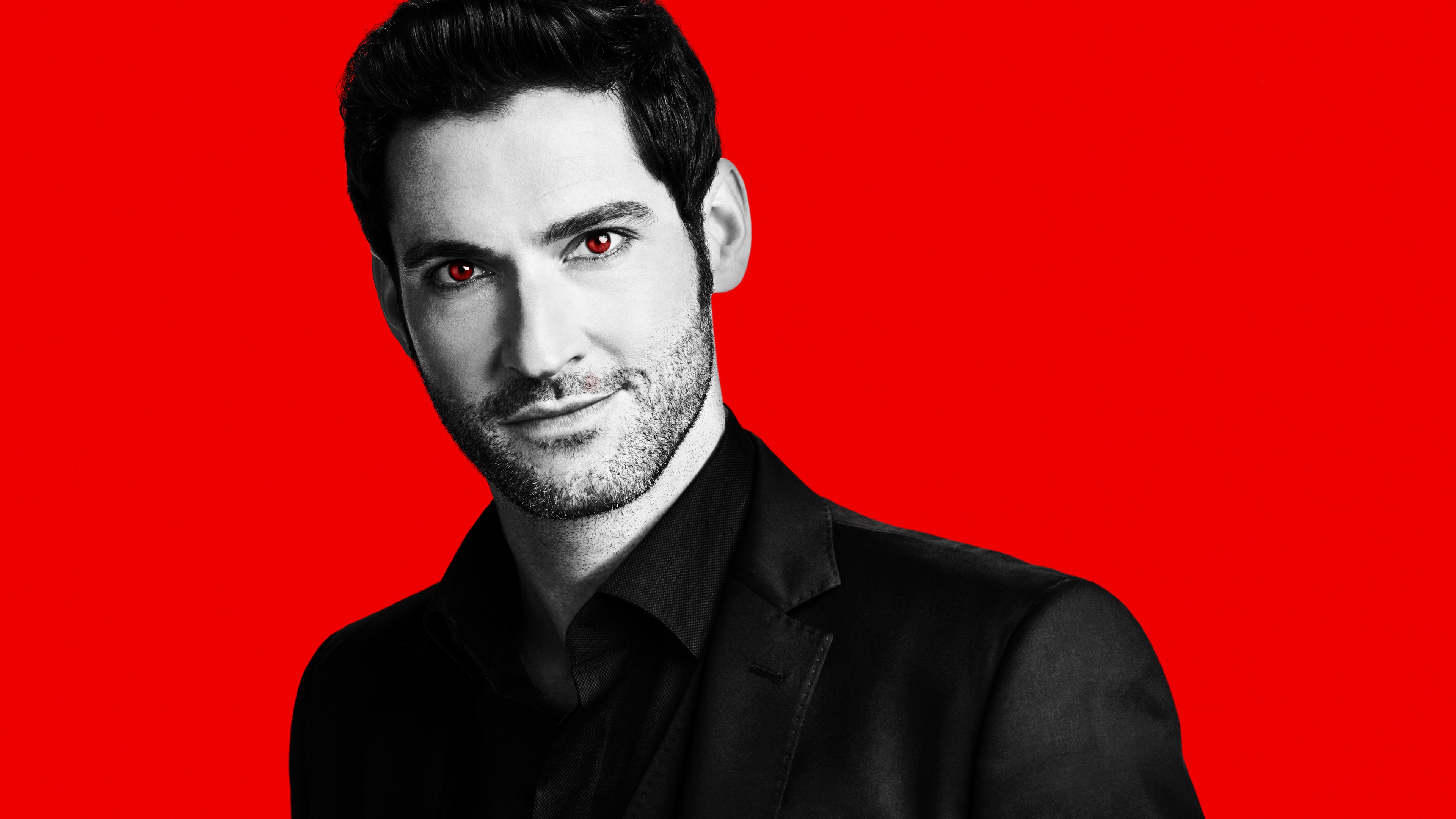
Watch Full Episodes | Lucifer on FOX

Lucifer (2016 to 2020)

In the show, Lucifer, the character of the same name embodies the Id as he is unfiltered never lying and fulfilling all his cardinal desires that being the literal devil entitles without any shame or guilt as he plays off the superego Detective Chloe Dekker. Unlike other examples of the Id Lucifer is an example of a hero as he uses this lack of shame and filter to live life to the fullest and to help stop crime. Despite being the actual devil who has been unfortunately marked as the ultimate evil.

Pirates of the Caribean Franchise (2003 to 2017)

Captain Jack Sparrow is another prime example of Id as he stumbles through situations as a chaotic entity his androgynous costume and general demeanour seek's his own desires, wanting to be free to sail the ocean he lacks shame and has overbearing confidence in himself allows him to get the upper hand on his enemies. He is freedom incarnate as like Id he just seeks one pleasure to the next forever seeking the next thrill for fear of losing his untethered lifestyle.

Technical Analysis of Id Example:


Beetlejuice (1988)

Mise en Scene:

The Costume/Makeup is used in this scene make Beetlejuice the embodiment of Id, his green hair which is often used to represent harmful substances like acid and poison as a symbol of untamed nature, which is further instated by the use of fungus-like makeup on the sides of his face. This Colour represents Id due to its link to our volatile natural impulses in all are minds in Freud's Theory of the Self. This is also showcased through the choice of Costume with his tattered wool coat and a red button-up shirt, the coat being tattered makes him seem uncivilised and animalistic due to its contrast with the more sophisticated clothing of the Maitlands neat and proper clothing, once again linking to the feral aspect Id plays in our minds. When compared to the Colours in Beetlejuices clothing to the Maitlands Beetlejuices clothing is darker making him seem more sinister symbolising the darker thoughts and feeling in our minds which is the state of the Id when compared with Ego and Superego.

The Performance of Micheal Keaton as Beetlejuice establishes the character as a symbol for Id, as he portrays a rude, vulgar perverted character. From his gruff voice where he uses grunts as well as his overall body language as he mocks them by using rude gestures and belittles the Maitlands with his overbearing and uncomfortable proximity with unwanted hugs/contact with them. This combined with his uncensored attraction to Barbra when they meet as he kisses her and tries to look up her skirt indicates this character as filterless and a true embodiment of Id as he follows his every whim and desire towards the Maitlands as a sinful embodiment of untamed nature.

Camera:

When Beetlejuice appears to the Maitlands the camera switches from normal still static to moving to Handheld Camerawork showing how his chaotic impact of the characters as an unstoppable force of nature as it increases as he tries to bring the darker impulses from the Maitlannds as he asks if they want him to kill someone or possess and torture them. He is also shown in two different shots from a Low Angle, he has power over them as the Id he symbolises there inner desire to rid the family living in there house and represents the feral desire the Id represents in that same regard and the power these subconscious animal thoughts have on our minds and decision making.

Editing:

The use of Digital Effects in the scene establish Beetlejuice as Id with the use of CGI during the characters literal head-spinning scene as we see his head spin on its shoulders and scream uncontrollably. This represents the lack of control we have on our own Ids as individuals but also its use when he shows how he can be scary to the Maitlands showcases him as dangerous when the extended horrid appendages come out of his face and scare them we are reminded of our fears of our subconscious thoughts brought on by the Id we all share, accomplished with its use of Fast Motion making Beetlejuice seem supernatural and more powerful than the Maitlands as a primal force of chaos capable of anything.

Super-Ego

An ethical counterpart to the Id, Superego provided the learnt morality as we grow older as it applies the Reality Principle (risks and rewards) to our ego/subconscious so we can act within the rules of our world.

Rules and guidelines the principles of reality, by abiding by these rules of society causes neurosis by suppressing pleasures as the view of all societies is neurotic due to them constricting are natural instincts and urges but also is seen in media and in the theory of the self as necessary to keep us grounded and prevent us from committing acts of evil in the goal of self-pleasure. The counterpart to our devil (Id) the Superego is the angel watching out for us in order to keep our mistakes at the minimal.

Examples of Super-Ego in Films and TV:


Harry Potter Film Series (2001–2011)

Hermione Granger is a Superego especially in her friend group between Ron (Id) and Harry (Ego) she is the classic archetype of as she follows the rules to the letter and rarely uses her abilities for selfish desires, including her lack of ability to express her feeling to Ron throughout the series. She is the A-grade student as she wished to be the best in all aspects of the Wizarding world due to her insecurities about being a so-called "half-blood".


The Lion King (1994)

Mufasa is a Superego due to him following the circle of life as king to the animal kingdom, he respects the natural order of life in there home and acts as Simba's father/role model for how to become a great king. His death is caused by his brother Scar betraying the natural order to take his place which causes the Id of Scar and his Hyena army to cause chaos in their kingdom as they fulfil there own hunger and desires leading to famine for the kingdom as they disregard the circle of life and lose the stability and order Mufasa provided. 


The Devil Wears Prada (2006)

Amanda Presley is an example of a Superego antagonist as she strives for perfection from all who she works with as she is the brutal and cruel embodiment of the fashion industry as she berates everyone to be there best selves. But she follows the rules and keeps order as one slip up could mean disaster she is efficient, her career comes before all personal or self-interests as she teaches the audience about the downfalls of this lifestyle and how she suffers severe consequences to her personal life because of it.

Technical Analysis of Super Ego Example:


Interview with a Vampire (1994)

Mise en Scene:

Louie's Costume defines him as the Super-Ego as he is formal and put together with his outfit contrasting him with Lestat with his casual half-dressed ensemble as a symbol of order for the scene. Further infused by the Colours of his clothes being a clear white shirt and a green overcoat that looks black in the Natural Lighting, depicting the characters morales as being strict and un-wavering his clothes representing the Black and White morales Louie refuses to shed after becoming a vampire. He is the moral compass the Superego represents and the fact that the Costume is green when not shaded from the Low-Key Natural Lighting showcases how Louie still wishes to keep the natural order of life that green represents.

 The use of Props/Setting also indicates him as a metaphor for the Super-Ego as he rejects and smashes the wine glass filled with blood, showing his denial of Lestats Id as he wishes to corrupt Louie to his inner passions and a primal hunger to consume the ladies blood. And the Settings use of decore with the mirror highlights Louie as he stares at himself in the mirror showing how he is locking himself within its frame to prevent the desires coming to the surface.

The Performance of Brad Pitt as Louie as he actively denounces Lestats (Tom Cruise) who wishes to corrupt him by making him indulge in the carnal desire to consume blood displays him as humanity which is the most adept connection to the Super-Ego to Louie as it is always related to our connection to morality and the rules of our society, Louie knows that the act of drinking this woman blood is wrong so he stops himself from indulging to in his own words to keep his very "soul" intact.
Showcased through Brad Pitts uses of Body Language as he is rigid and straight to imply he is keeping himself composed and the use of Positioning from the other characters as he backs away and recoils from the woman and Lestat as he refuses to take part in this murder.

Camera:

The cinematographers use of Closeups on Louie to highlight his performance and his morality compared to the Medium Shots of Lestat who is absent of such barriers held by the Super-Ego as the Id. This distance from the camera and the audience shows how Louie still holds our morales as human beings compared to the isolated and sociopathic relationship Lestat has to humans as cattle for consumption.
The Composition of the shot of Louie staring in the mirror shows how he refuses to abandon the image of his former self, he wants to keep the morales retained from humanity and the fact that he retains his reflection in the mirror unlike some other tales of Vampires like in the film Van Helsing (2004) shows how unlike other characters like Lestat, Louie wishes to keep order between life and death and is still able to sympathise with humans retaining morality and the inner consciousness that is often linked to the idea of the Super Ego.

Ego

The balance between the urges of pleasure and reality it uses the Id and the Superego to make the best decision's for ourselves.

The ego acts as our self-balance between the Id and the Superego, finding the middle ground between these two opposing elements and is the neutral judge that keeps them both in order as it keeps you centred. Making sure that Id doesn't make you act out of the rules around you and that Superego allows you to accomplish your goals without the crippling fear and buckling in dread of breaking the rules we all learn to follow.

Examples of Ego in Films and TV:


The Grand Budapest Hotel (2014)

The Writer is the ego of the narrative as he acts as the neutral spectator of the audience as we experience him learning the tale of the hotel at the same time we do as he judges the questions and occasional interrupts with questions eventually coming to care for the story and the characters within it.


Ferris Bueller's Day Off  (1986)

Sloane acts as the ego between Ferris (Id) and the Cameron (Superego) keeping the balance between the two of them and taking both of there advice throughout the film. She keeps order between the two of them just like an Ego should and switches between both of there sides during there arguments. Without her Ferris and Cameron wouldn't agree on anything and would most likely not be friends by the end of the film due to her reasoning skill and showcasing the perspectives of the characters as she keeps order.


Good Will Hunting (1997)

Sean Maguire is the therapist to Will in the film, throughout the film he switches between siding with Will (Superego) and Society (Id)  as he switches between being Wills friend and his therapist as he judges and slowly discovers his coping mechanism and eventually helps Will transform from a cynical superego who believes that the world will hurt him due to past trauma and helps him become an ego as he is able to get him to see the world and what he wants out of it. Sean is ego as he allows both parts superego and Id to be seen with Will and teaches him that despite the world being overwhelming (id) he has a place in it.

Technical Analysis of Ego Example:


Thoroughbreds (2018)

Mise en Scene:

The Performance of Anton Yelchin as Tim portrays his character as the Ego in the theory of the self as his dialogue tries to keep the balance between the characters Lily (Anya Taylor Joy) and Amanda (Olivia Cook) as he talks about patent trusting Lily as she is the symbol of the Superego but distrusting the Id represented by Amanda. However, we see him position himself between the other two characters painting them as the classic example of the angel and devil on their shoulder as he is convinced of what decision to make and when he attacks Amanda he succumbs to his natural desires of the Id.

Lighting also provides proof of Tim as the Ego as we see he is between the lighting of both Lily and Amanda who represent the Id and Superego with Amanda being shown in Low Key Lighting as the dark thoughts of the Id and Lily being lit in High Key Lighting representing the Super-Ego as it is clear and reflects the morality associated with this segment of the self from Freud's theory. As Tim is stuck in between these two light sources as the one keeping a balance between there ideas as the Ego and when he decides to use violence siding with the Id he moves into the low-key lighting and is consumed by it.

The Setting of a parlour space with an area overlooking the outside making the contrast between the spaces with there Lighting as I have previously stated. Lily standing in the white Coloured conservatory area which symbolises her visual innocence as the Super-Ego and Amanda in the interior decorated in shadow, this contrast between the outside and inside showcases the inner self and desires of the Id and the outer appearance and acts of the Super-Ego demonstrate in order for us to function in society. Tim stands in between these two borders/parts of the self literally in the doorway to both rooms as the Ego he tries to keep balance and him stepping into the interior away from the outside conservatory shows his decision to follow the Id.

Camera:

The shots in this scene carry a repeated Composition of showing Tim between the two other characters who represent the Id and Super-Ego invoking the idea of the devil and angel on the shoulders of individuals showcased in other media like The Emperor's New Groove (2000) however as the scene goes on we see them transition to more Over the Shoulder shots of Amanda looking at Tim showing how she is drawing him to follow his primal desire for violence which is exactly what she wants in order to gain power over him as the Id corrupting him as the ego and unbalancing his chracter.
The camera Zooms In on Tim as he is drawn further and further away from his path of the balance of his position of Ego and eventually ends in a Closeup as we see his emotions and the Id of Amanda takes control over his decisions and he ultimately choices to follow that and loses his position of power and control between them further emphasized by the High Angle shot (a position of weakness) he is shown from before he is knocked unconscious.

Editing:

Editing is also showed to highlight Tim as the Ego with Cuts/Shot-Reverse-Shot from his perspective mocking a P.O.V as he moves his head as he tries to make a decision and compromise between the Id and Super-Ego as the Ego, however, the shots then Cuts from his perspective to Amanda's symbolising the Ego's loss of control to the Id.


The Witch (2015) Theory of the Self Sequence


In The Witch Directed by Robert Eggers, this sequence follows the families eldest daughter Thomason after killing her mother in self-defence making a bargain with Black Phillip (the devil) to have a better life.

The scene uses the theory of the self as we Thomason act as an Ego to Black Philip's Id, as he tries to seduce her to make an infernal deal. This is symbolized through the scenes use of cinematic techniques like Mise en Scene like her Costume symbolising this with the put together conservative white nightgown of the period symbolising her as the superego with its link to innocence/purity and her commitment to god. But the red blood stains is metaphoric of her sins and passion meaning Id and as she converses with Philip it becomes clear she is having an internal struggle between siding with these two sides of her self (Id vs Superego). 

We also see the scene bring up Freud's thoughts on society, this is especially apparent in Black Philip's Performance and Dialogue to convince Thomason with promises of a better life as a society in Freud's opinion is innately neurotic as it causes unnecessary pain to those in it due to its restrictions and rules unnatural to us as animals, in this case, it also expands into Thomason's religion as despite praying and believing in god her life has not improved leaving her vulnerable to this temptation by Philip as she wishes to embrace pleasure and be enveloped by the Id he represents. This is added by the Costume of Philip as we see is dressed in spurred black leather gloves and a  tricorne hat in all black like a swashbuckler/pirate an entity based in Id as pirates in modern culture represent freedom to do what we like to sin and pursue pleasure without judgment.

The use of Natural Lighting in the scene showcases this battle between the vulnerable Ego of Thomason vs the Id of Philip as she is the only subject lit for the majority of the scene giving it an almost Butterfly Lighting technique appearancee to the shadow, by her being the only one visible due to the Low-Key Lighting around her developing the area in shadow we see the true battle of the scene between her free will as an ego represented by the light and the darkness and loss of self in the heresy and pleasure of the Id, and as the scene goes on we see the shine of the jewellery of Philip further enticing her to act in greed and self-interest and as he touches her we see his black gloves corrupt her pale skin as it further consumes her in darkness.

The use of the continuous Long Take Closeup of Thomason for this scene invokes imagery of the angel and devil on the shoulder we see her at a slightly Low Angle showing us that it is her decision and her decision alone to some to the devil's bargains as this angle represents her power to decide her fate. And as she accepts this bargain she disrobes throwing away and disregarding her control as the ego symbolised through this use of Costume, the use of diegetic whispers for Phillips dialogue further creates this feeling that he is the embodiment of our innermost desires the quiet whispers of desire we all have in our head. As he guides her hand to sign her book we see Thomason has accepted the chaos and the primal pleasure of satan as the scene uses Editing to transition by Cutting to her outside in the night as she walks naked into the dark wood being completely consumed by its darkness (Low-Key Lighting) and due to how vast it looks form the isolating Long Shot we know there is no turning back.

Overall this scene from the Witch shows the theory of the self as we see the balance of the ego and the free will to decide between our desires (id) and society (superego) with its use of Mise en Scene and harsh Natural Lighting/High-Key Lighting the seduction of Black Philips dark desires and through the use of Costume as she disrobes to embrace the primal nature of Id. As well as its use of the Camera as it uses isolating Long Shots to show her vulnerability and her debating the deception between ego and id and how society has driven her to want to experience a pleasure rather than abide by its rules of religion, etc.

My own Example of Id, Ego and Superego (4 Hour Film Challenge)

I think it accurately portrays the archetypes of the 3 elements of peoples personalities with my performance and use of colour and costume design however, I wish I could have perfected the clone editing technique.


Reference List:

Id, Ego and Superego Simplypsychology.org Written by Saul McLeod Updated in 2019 Available (Online):

https://www.simplypsychology.org/psyche.html#:~:text=Freud%27s%20personality%20theory%20%281923%29%20saw,or%20in%20any%20way%20physical.

Freud's Id, Ego, and Superego verywellmind.com Written by Kendra Cherry Medically reviewed by Steven Gans, MD on September 28, 2019, Available (Online):

https://www.verywellmind.com/the-id-ego-and-superego-2795951

Id, Ego, & Superego by PsychU, Jul 13, 2017, Available (Online):

https://www.youtube.com/watch?v=WRtItnRRV1M&ab_channel=PsychU

PSYCHOTHERAPY - Sigmund Freud by The School of Life, Nov 28, 2014, Available (Online):

https://www.youtube.com/watch?v=mQaqXK7z9LM&t=251s&ab_channel=TheSchoolofLife

No Country for Old Men (2007) Directed by Ethan Coen, Joel Coen

Lucifer (2016 to 2020) Created by Tom Kapinos

Pirates of the Caribbean Franchise (2003 to 2017) Directed by Joachim Rønning, Espen Sandberg, Rob Marshall, Gore Verbinski

Harry Potter Film Series (2001–2011) Directed by David Yates, Alfonso Cuarón, Chris Columbus, Mike Newell

The Lion King (1994) Directed by Rob Minkoff, Roger Allers

The Devil Wears Prada (2006) Directed by David Frankel

The Grand Budapest Hotel (2014) Directed by Wes Anderson

Ferris Bueller's Day Off  (1986) Directed by John Hughes

Good Will Hunting (1997) Directed by Gus Van Sant

The Witch (2015) Directed by Robert Eggers

Writing the Freudian Trio: Id, Ego, Superego Character Design LaScreenwriter.com Written by John Bucher Available (Online):

https://www.la-screenwriter.com/2016/05/25/writing-the-freudian-trio-id-ego-superego-character-design/

Beetlejuice (1988) Directed by Tim Burton

Interview with a Vampire (1994) Directed by Neil Jordan

Thoroughbreds (2018) Directed by Cory Finley

Evaluation of Practical Skills

In this post, I will be going through all of the practical skills I have developed throughout the course, as I showcase and evaluate the wor...