In this post, I will be going through all of the practical skills I have developed throughout the course, as I showcase and evaluate the work I have done to convey how I have developed my work to a professional standard.
Contents Table
(Would Recommend Using CTRL + F to find these contents, please type the title of each section to find it, if that doesn't work they are Colour Coded)
Lighting Techniques
(Breakdown of Lighting Techniques/setups and my own examples and those from film and other visual media)
Health and Safety
(Breakdown of the importance of Health and Safety and examples of documentation)
Promotional Video Pre-Production
(The planning, pitch and pre-production documentation for my Promotional Video)
Music Video Pre-Production
(Planning and pre-production documentation for my Music Video)
My Projects
(Final Music Video, Short Films and other Projects and their Evaluations)
Overall Use of Practical Skills
(Evaluation/breakdown of the progress of my Practical Skills during the course)
Camera Techniques
Pull Focus


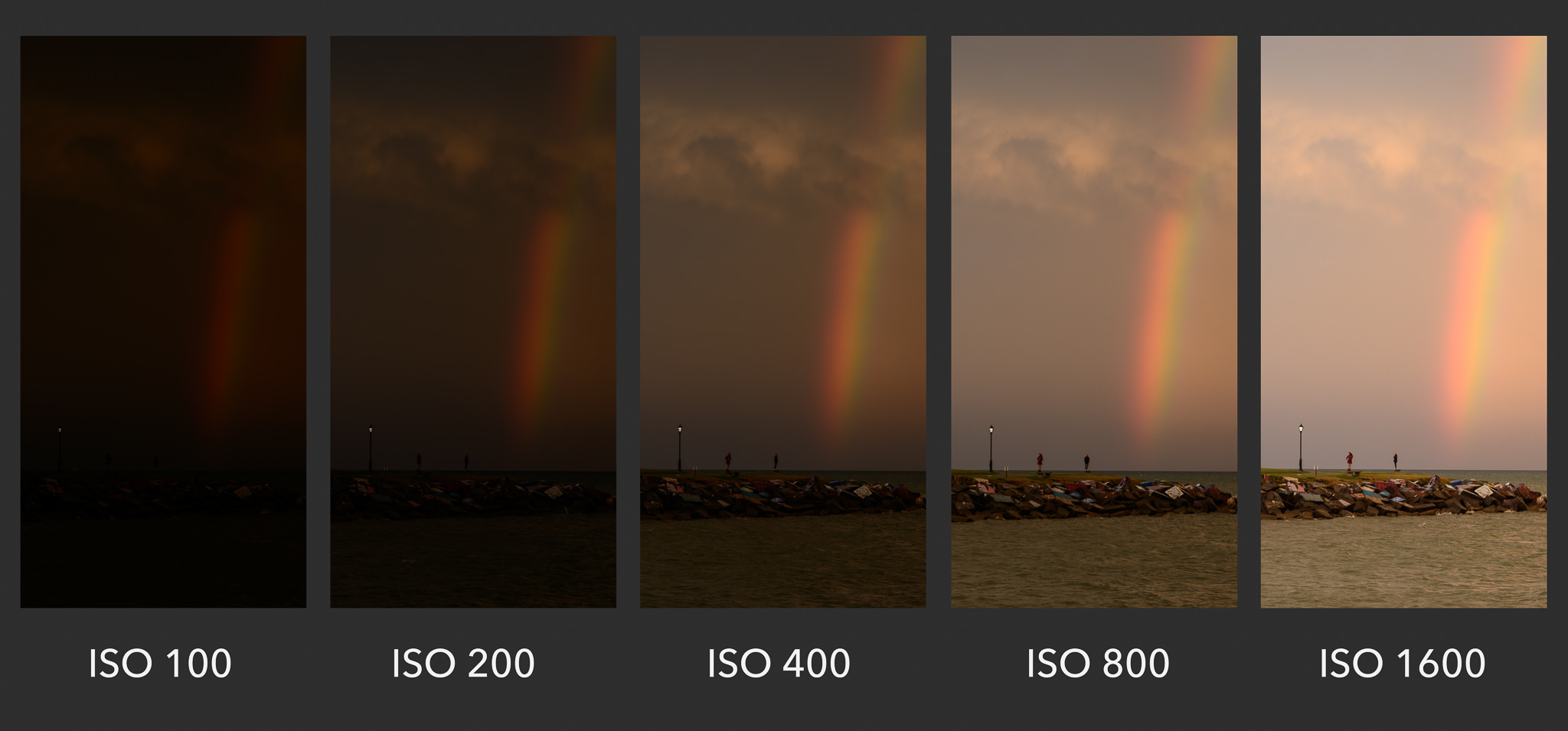
ISO
Shutter Speed
Slow Shutter Speed


Normal Shutter Speed


Fast Shutter Speed


Shutter Speed Showcase
What is Aperture?
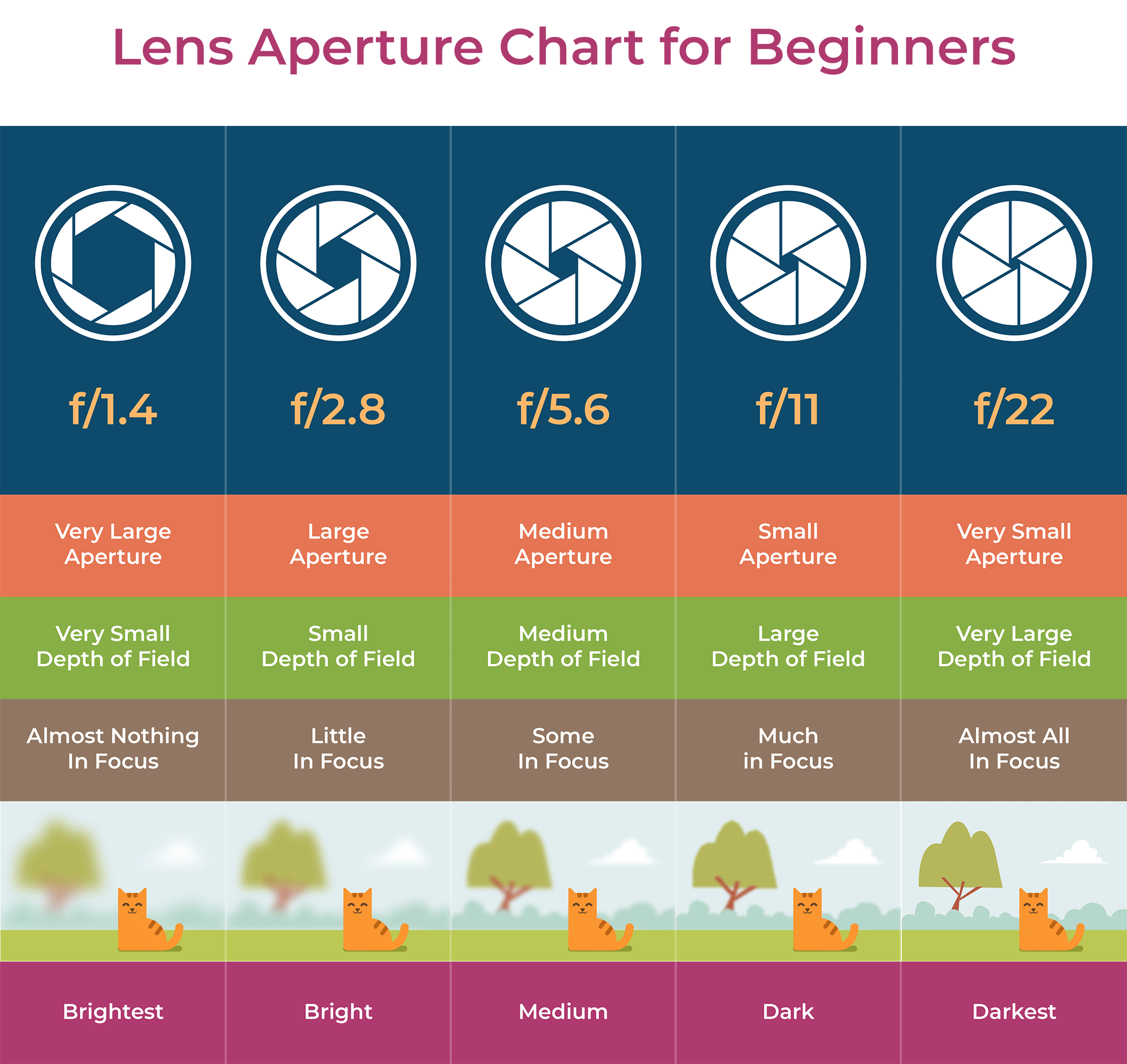
The aperture of a film camera is the hole in the lens that opens or closes to let more or less light into the camera used in combination with the shutter speed and ISO of the camera to determine the length of film exposure (affecting the brightness of the image).
Much like our own eyes aperture works like our pupils expanding in the dark and shrinking and closing from bright light, this is the example most commonly given and is outlined in Studiobinder's "Ultimate Guide to Camera Aperture What is Aperture & the Exposure Triangle Explained [Ep 1]". This affects how the film is lit and used by filmmakers much like colour, lighting and other filmmaking techniques to affect and change the mood of a scene by affecting how the light hits the camera lens.
Large/High Aperture
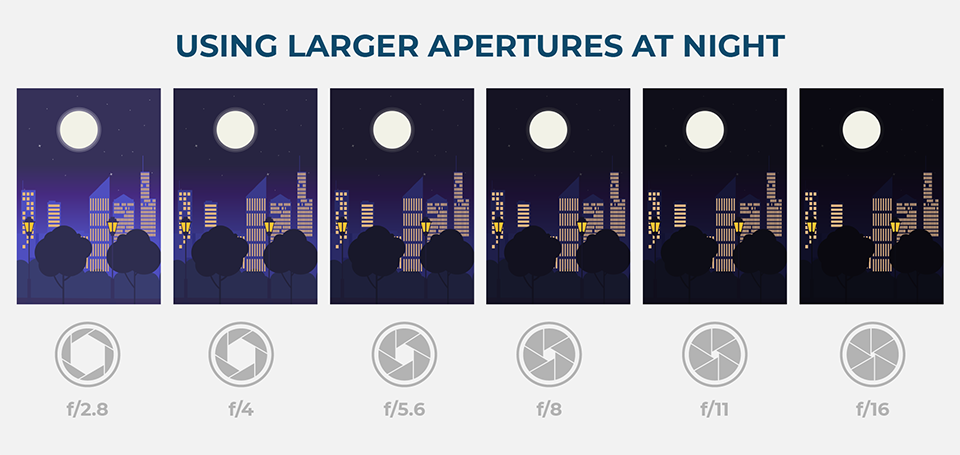
When using a higher aperture a scene can become darker as if affected by low key lighting (creating more sinister undertones). This can also be used to create a large depth of field which is good when creating establishing shots as you want everything to be in focus.

Skyfall (2012)
Establishing/Longshot creates an ominous presence of James Bonds family home and emphasises the dark backstory this represents as we see the white bright background contrasted with the dark gothic architecture of the manor.
Small/Low Aperture
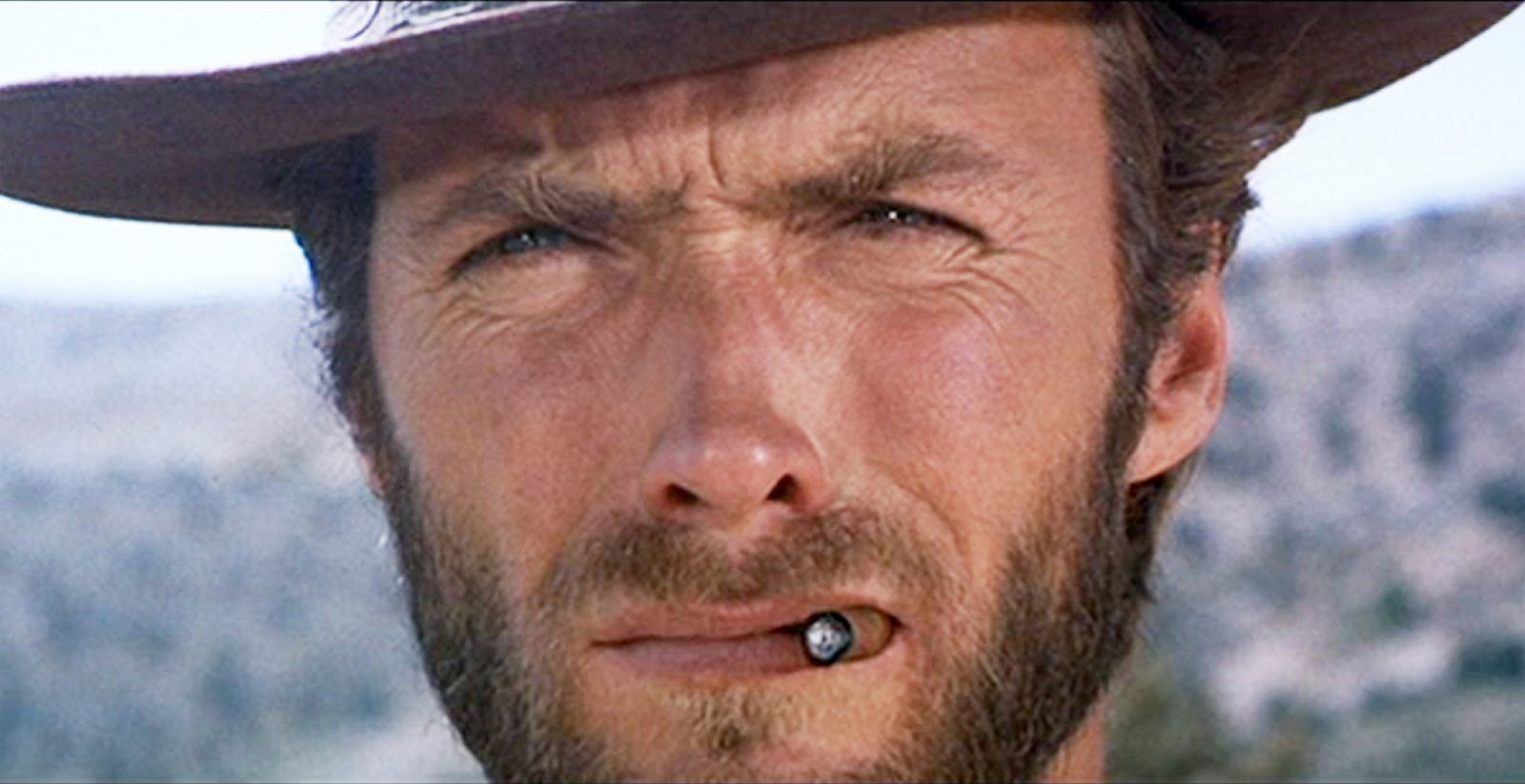
Aperture can also make a scene brighter and more visible as if affected by high key lighting when the aperture is lower (creating a happy dreamlike tone/aesthetic) and is used to create a shallow depth of field keeping a singular model in focus which is most commonly used in combination with closeups to outline individual character reactions/facial expressions.
The Good, the Bad and the Ugly (1966)
This shallow depth of field and closeup is used to showcase Clint Eastwoods's characters calm demeanour despite the high stakes situation, showcasing that he is not afraid and is in control.
Medium/Middle Aperture
The most commonly used aperture setting is used most often in conversation/dialogue scenes when they need to keep multiple targets in focus and allows for the focus to remain on the subject while keeping the background present.

In this shot, Tyler and Jack remain in focus with the beauty consultant while also keeping the background in focus outlining how they are using consumerism (outlined with the heavily populated shop) to fund their own anti-consumer terrorist group. We see the disinterest of Jack as he looks off the frame and outlines how Tyler is using the beauty consultant for his own means with their engaged body language.
Own Aperture Example's
F2.8 Aperture (50mm Len's), F8 (Standard Lens), F16 (Standard Lens)
My footage clearly shows how aperture affects the lighting of footage as I label my aperture number in each clip from the brightest aperture setting of F2.8 to the darkest of F16.
If I were going to do this task again, I would film the same area/model to showcase the difference aperture makes in visual media. Overall, however, in my opinion, I accurately showcased aperture by filming during the same natural lighting during the same shooting day.
What is a Lens?
Lenses are the glass piece a camera see's through and what light from a scene whether it be key, back or fill lighting shines through glass shapes called Glass Elements which bend/are refracted onto a Focal Point on an Image Sensor creating the picture/footage.

Focal Length

Types of Lenses
Prime Lens Example:

Zoom Lens Example:


Longer Focal Length Lenses:
Extreme Wide Angle/Fisheye Lens

Wide Angle Lens
Standard Lens

Telephoto Lens
70mm or above sometimes referred to as long lenses, these lenses do the opposite of the standard lens as they are used to capture a distant subject making us feel like we are spectating others in the shoot rather than making us grounded within it. They often compress space and allows the shot to isolate a character among many or highlight a character in an empty making them seem small and their efforts seem futile as they are alone in the void of the setting, a long distance away from the camera, making the distance the character has to travel to get to us feel eternal, which could be used in films to emphasise isolation or to highlight them as an individual depending on its use.

Midnight Cowboy (1969)
The protagonist in Midnight Cowboy is outlined using a telephoto lens due to his outfit in comparison to the men and women around him it is made clear he is the odd one out in the city. Showcasing his struggles to make it in the city where he thought his dreams would come true this effect isolates him as inexperienced and naive. Which throughout the film we will see how he is punished by the harsh streets of new york which change him from an old fashioned cowboy to a desensitized modern man.
Macro Lenses
Defined by its focusing ability rather than focal length like the other lenses, ass they are incredibly varied for example you could a lens that's considered a fisheye lens but has a focal length of 35mm. They are defined by capturing extreme closeups with vivid detail, meaning magnification ratio 1 to 1 meaning images gathered to represent the real scale/size of the subject.
Other macro lenses can have bigger ratios to increase the size of their subjects but you have to consider the minimum focusing distance when using this lens as you must figure out how far or close you need to be to capture the subject and depending on whether you can get close enough to it.
This is perfect for extreme closeup and nature documentaries allowing you to look safely at the dangerous animals from a safe distance as well as making insects more clearly visible to the naked eye.

Seven (1995)
Extreme closeup perfect example use of macro lens creates an uncomfortable atmosphere as we see the character slicing their own fingerprints off, due to its clinical look under the more lighting the macro lens makes it look like we are analysing a piece of evidence as this shot collaborated with other extreme closeups f the crime scenes allowing the audience to put the clues together.
Class Lens Showcase Example:
Lighting Techniques
Three-Point Lighting Setup's

Image Taken from TheFilmmakersBlog
Key Light
The Key Light is the primary light of the scene. The most intense/direct source of light within a scene, the first light to set up and used to illuminate the form of the subject or actor. Is the base foundation for the lighting of the scene and can be manipulated in multiple ways to create certain effects to change the tone of the scene, Studiobinder gives examples of methods to alter Key light.
"Methods to Manipulate a Key Light:Diffuse the light for softer lighting,Bounce the light off a wall or bounce board to create a softer light spread,Moving the light further from a subject will create harsh shadows,Adjust the angle of the light to achieve different looks"
Fill Light
Within visual media Fill Light is used to reduce the contrast of a scene to match the range of films detail that we would see with our own eyes and is considered average. This commonly gives films a cinematic aesthetic in the way it assists the scene outlines their models and settings.
Backlighting
Backlighting is a type of spotlight and process of illuminating the subject from the back, this effect creates a glowing effect on the edge of the subject or person, while the other areas are darker. MediaFactory

The Assassination of Jesse James by the Coward Robert Ford (2015)
The use of fill light creates an outline of Jesse James in the light this is to showcase how his reputation has transcended him from a man to a mythical legend as his features of humanity are lost to the outline of a cowboy (with his hat outline) which he is now an eternal symbol for in history.
Own Example/Showcase

Low Key Lighting
When the background is a lot darker than the face, we call it low-key lighting. This is typically used to create a sinister environment in horror films due to our innate fear of the dark and is used in film noir for a strong contrast between black and white (light and darkness). WolfCrow.com

Nightmare on Elm Street (1984)
Low key lighting in combination with split lighting technique showcases the fear of the character after waking up from a nightmare, however, the shadow encroaching and taking over the room and her shows how she is not safe further indicated by the cross being isolated in the darkness trapped. Saying even god can't help her now.
Evil Dead 2 (1987)
Low key lighting is used to great effect in this scene as it uses it to highlight how Ash cannot escape the cabin from the pitch black background of the forest and the harsh shadows inside the cabin highlight its decay and how the Deadites have taken over and corrupted this environment.
True Romance (1993)
Clarence's father is tortured by the men hunting him down, the low key lighting showcases how the father is surrounded signified by the henchmen and the darkness of the trailer while he sits alone under a natural spotlight. This shows his bravely being the only light in the darkness. However, this epic last stand is then ultimately shown to be pointless when they find the information they were looking for on his fridge after his death.
The Green Mile (1999)
Low key lighting is used to display the characters sadness to execute this man. The lighting highlighting the facial expressions and reactions as they all come to terms with the fact that an innocent man, a good man will die and as the sparks settle from the execution chair so does the characters hope and innocence fade from the film.
Own Example:
High Key Lighting

Lighting Technique and Examples
Rembrandt Lighting


Edge/Split Lighting


Butterfly Lighting


Experimental Lighting


Own Two Examples (shadows and using makeshift materials)


Health and Saftey Breakdown
Why is Health and Safety Important?
Health and safety is a key thing to keep in mind before and during filming.
Not only due to the safety of your staff and crew but to make sure that shooting goes as scheduled without safety precautions or bare minimum safety requirements delays can happen in your production due to talent needing recovery time to do the shoot or having to hire new staff/crew to replace the injured ones.
It is a requirement to understand the proper etiquette and boundaries of your environment to make sure that risks are minimised. You should always talk to the owners of your filming locations before trying anything not outlined in your contract, they might know something you don't about the environment around you, whether you shoot in a studio or out in the wild.
What is a Risk Assessment?
Before the shooting process in production, this is valuable when your site contains unpredictable variables like unpredictable weather conditions, etc.
A risk assessment concludes the risks of a shooting location and offers solutions/precautions to lessen and avoid risks to the best of your ability. There are of course fewer factors affecting an indoor environment like a studio if you have done your research before coming on-site to prepare for these factors and to already be coming up with solutions if you know you want to shoot on the roof of a building you must make sure that the roof is secure and safe for your state and crew to stand on. The more detailed a risk assessment the safer everyone will be.
Here is an example of a Risk Assessment from one of my previous shoots.
Health and Safety/Risk Assessment
Location contract: Mark Robinson acting as site manager | Director and Location Assessor: Rory Robinson |
This assessment was to check the safety of the location and how to limit and protect from hazards during filming on location in the alleyway.
Hazards Identified in the Assessment
HAZARDS | CONTROL METHODS |
Poor weather leading to slippery pathways and working areas. It rained during the night before and during the filming day. |
|
Trip hazards E.g. scrap from the site being used in the alleyway, such as bricks and old Funiture (ironing board) |
|
Climbing over the fence stunt, ending with dropping onto a brick floor |
|
Other control methods
|
|
Bystanders and onsite personnel not aware of the shoot as is near a public park |
|
All risks were minimised/controlled according to Rory Robinson as the Assessor and Mark Robinson as the Site Manager.
Name of assessor Rory Robinson | Signature
| Date: 17th March |
Assessment agreed by site manager Mark Robinson | Signature
| Date: 17th March |


Health and Safety Requirements
Safety Document for Staff and Crew
My employer is not reliable for any accident that occurs on set and I willingly consent to all aspects of the set during production and will not sue in the case of an accident/injury that occurs while filming this project and I accept that I will not receive compensation if the injury effects turning up on set.
Safety Equipment
Safety padding for the climbing over the fence stunt and sensible footwear and clothing to ensure we prevent slips and falls on wet surfaces.
How to be Safe when using Camera
Use only approved attachments to my camera that are in good condition this can be the batteries as you could use a battery that doesn't fit properly into your camera as it could possibly damage its internal mechanisms.
You want your wires in good condition to avoid fires onset in case the exposed inner working of the wire start a spark. Overall I recommend avoiding large bodies of water with your delicate camera equipment and be generally be patient with the shooting process turn the camera off and with its buttons rather than taking the batteries out and watch the camera during the charging process as issues may occur if the cable is connected correctly.
You want your wires in good condition to avoid fires onset in case the exposed inner working of the wire start a spark. Overall I recommend avoiding large bodies of water with your delicate camera equipment and be generally be patient with the shooting process turn the camera off and with its buttons rather than taking the batteries out and watch the camera during the charging process as issues may occur if the cable is connected correctly.
How to be Safe when using Lighting Equipment
Be careful to not handle the bulbs of none LED lights with bare hands as you could suffer burns, keep in mind the heat of some key lights (spotlights, stage lights, etc.). Avoid shinning directly into the subject's eyes for too long during a shoot as it could become quite painful. Keep members safe from tripping on lighting wires by having wire covers and have warning signs. As some could fall and hurt themselves or knock over light and cause an electrical fire.
Evaluation of my Risk Assessment and Protocol Toward Safety
Overall, in my opinion, I understand the requirements and needs of my cast and crew to remain and feel safe on set. And I feel I have outlined how to conduct a safe work environment, however, I feel I could gain a better understanding of health and safety by working with larger filming groups as with each new member of the crew is another safety concern to consider.
Promotional Video Pre-Production
Brainstorming/Pitch for Promotional Video
Length: Three Minutes
Idea 2 Growing Connections
Summary:I want to use a Choreographed dance with physical theatre as I want the dancers to create the image of a tree to symbolize Ancestree app and as they form this tree it creates the theme of connection as an inspirational message with the use of politicians talking about keeping hope and sticking together during the Covid 19 pandemic. Hopefully capturing this in a Birdman (2014) style single take.
Mood Board

Visual Aesthetic Example
Climax (2018) Opening Sequence
Requirements
Dance Troupe (usually between 10 to 12 people, Average wage per Dancer £14.97 minimum per hour)
Professional Choreographer (£180.85 to £217 per dancer)
Time to make Choreography will take 2 to 3 Days and same time period for 2 to 3 Days.
Renting a Dance Studio can be between £10.85 and £36.16, averaging £25 an hour. Deda.uk.com
Editor (£19.88 per hour) Camera Operator/Cinematographer (Hourly rate of £61.45 to £90.35) plus £2000 for equipment/insurance
No cost for re-using News footage audio of politicians under the guidelines of fair use it is being used to prove your point to the audience and nothing more.
Breakdown/Budget Estimate
Length: 1 Minute and 30 Seconds
Time to Complete: 3 to 4 Weeks
Pre-Production Planning and setup 1 to 2 Week, casting dancers and equipment booking for Tripods, Dolly or anything else needed for a shoot. And for Choreographer to teach and then have dancers memorize Choreography.
Production Depending on the complexity of footage and client feedback 3-to-4-day shoot since its mostly repeating the same sequence until I am satisfied with the result as well as my client.
Post-Production Editing should take less than a week between 3 to 4 days due to the simplicity of the one-take style and only requiring the hiding of certain cuts.
Budget/Cost: £16082.92 (Conservative Budget not including all cast and equipment outside of the essentials, and for a full dance troupe which can be cut in size and scale).

Idea 3 Our Animated History
Summary: We see the history of a single family through animation with Non-Diegetic voiceover we watch the story transition from period to period as the style of animation changes with each decade from the early 1800's Zoetrope spinning illusion and eventually ending in current-day digital CGI (Computer Generated Imagery).
Moodboard

Visual Aesthetic Example:
The Evolution of Animation 1833 - 1990
Requirements
According to ecmstu.com for 5-10 Seconds of Animation, it will take about a day of work (about 7 ½ Hour Workday).So, for 1 minute of Animation, this will take 6 to 12+days. Not including days for Storyboarding, etc. Twine.net where you can hire various independent animators and Work Chron.com, it costs £27.73 per one hour for an Animator would recommend 2 to help with time.
Due to my need for traditional animation training, this may cost extra. £2000 for Equipment for the animation team for recreating Zoetropes, etc.
Voice Over Artist on average cost £10.68 per hour Studio for Voiceover to Animate between £25 to £200 an hour, might have to rent separately if the needs aren't available in the same space.

Breakdown/Budget Estimate
Length: 1 Minute
Time to Complete: 3 to 4 Weeks
Pre-Production Planning/Storyboarding setting up a studio for them to work in 1 to 2 Weeks with this extra week to look for specialised equipment and resources they will need for the different animation styles.
Production Due to it being an animation team of two for a 1-minute sequence being 6 to 12 days I estimate due to the various different animation style it will take about 2 weeks with the simple and small voiceover requirements.
Post-Production Editing should take less than a week between 3 to 4 days after the bulk of the animation and will act as them adding the finishing touches on their work to fit with the client's demands if any.
Budget/Cost: £10278.28 (Conservative Budget not including all cast and equipment outside of the essentials, with current knowledge of the creation process).
My Idea to Use Online Influencers
I had a marketing idea to include in these various promotional videos to have online influencers be part of the production and to boost engagement for their product.
 This could be through sponsored content on their online platforms to promote the app, if we move forward with our animation idea we could use the animations of their videos and hire them to be a part of the animation team or even play an actor in the video. If we involve them in the promotional video in some way I know we can boost viewership from a target audience and further encourage increased engagement.

Examples of Influencers we could involve:
History Matters
How did Medieval Banking Work? (Short Animated Documentary)
The Great War
World News From 100 Years Ago - January 1921
The Infographics Show
How A Soldier Single-Handedly Liberated An Entire German Occupied City
Client Reaction to Ideas Pitched
My client decided to go with the 1st idea of my comedic history of a personal family tree, we expanded the idea together to better include the app being used. By having two different sequences one of the individuals looking over the app while we see their various ancestors from history going through the town and having modern-day interaction (my example was a caveman buying a sausage roll) and then finally the ancestors arrive at the user's front door in a humour scene of a collaboration of ancestors of different backgrounds and a confused looking user. Ending with a tagline which we decided on "Find when family is" or their slogan "a sunny future of family history", my client also wanted me to include a more comic book style editing similar to Scott Pilgrim vs the World (2010) to give it more visual appeal.
The other ideas to the client felt they were for a more established brand (like the Christmas John Lewis adverts) and since this is a promotional video to establish the product in the user's mind I need to make it more obvious for the audience, in conclusion, the meeting/pitch went well and I managed to secure funding and I can start the creation process of my first idea. And I think we can use the extra footage from this shooting day to have smaller clips for an online campaign, my client liked the idea of the caveman posting on the app and on social media to promote the app.
Storyboard for Promotional Video

In this storyboard I have highlighted the most important scenes to include in the promotional video, going for a comedic tone similar to that of horrible histories so I want to include juxtaposition. Having the caveman in a co-op and a Knight in full plate mail going up a train station escalator. but I also needed to include the app of Ancestree in use. So I added to my original idea in the storyboard scene cuts back and forth from these various actors in period clothing and makeup to a man using the app during their morning routine as he matches with the ancestors that appear in this seemingly normal British ton in awe and confusion to those that see them.
Overall since the video itself is aiming to be 3 minutes in length I will be adding more shots than the one's seen in this storyboard which will become clear during the scriptwriting process, but I am aiming for the shots of the man using the app to be around a minute long and the footage of the historical ancestors to be around one and a half minutes with the rest being focused on highlighting my client's taglines and other showcases of the function of the app. However, I will be using narration in my video to save on wasting screen time which I want to engage the audience with instructions that I can make comedic with the use of narration with these horrible histories type humour.
*Post-Production Notes:
During the Production this proved very useful, However, in my next production, I will take Test Footage from my location and use them to direct a more accurate blueprint for me during the filming process. If I wasn't on-site during the Location Recee re-adjusting the sequence of the final product would have been hard to adjust.
During the Production this proved very useful, However, in my next production, I will take Test Footage from my location and use them to direct a more accurate blueprint for me during the filming process. If I wasn't on-site during the Location Recee re-adjusting the sequence of the final product would have been hard to adjust.
Shot List for Promotional Video
(List of Types of Shots I Will be Using in The Promotional Video, and an estimate of footage time they will be in use)
- Medium Shot, Eye-Level, 60 seconds
- Medium Shot, High Angle, 25 seconds
- Closeup, P.O.V (Handheld), 15 seconds
- Closeup, Panning Shot (Vertical) into another Closeup, 10 seconds
- Over the Shoulder, 15 seconds
- Longshot, 25 Seconds
- Tracking Shot (Dolly), 10 Seconds
- Medium Shot, Eye-Level, 60 seconds
- Medium Shot, High Angle, 25 seconds
- Closeup, P.O.V (Handheld), 15 seconds
- Closeup, Panning Shot (Vertical) into another Closeup, 10 seconds
- Over the Shoulder, 15 seconds
- Longshot, 25 Seconds
- Tracking Shot (Dolly), 10 Seconds
Test Footage for Promotional Video


Evaluation of Storyboard/Shot List
The Storyboard and Shot List are used to create a visual blueprint for the production. They showcase how a piece of visual media will be shot and what will be required for specific cinematography uses.
The storyboard was used to create a blueprint for my promotional video by showcasing how I want the final video to look and what camera movements I would like to include, it effectively provided a visual representation of how my promotional video would look. If I was going to improve it I would use a software called Storyboarder to make a story online allowing it to be more clear and to be better shared with my crew online.
Shot List gave me and my cinematographer Jack a better understating of how long these shots were going to take in the promotional video and certain equipment required to achieve it. Allowing us to get them in before filming begins and better plan ahead, but in the future, I would go more in-depth and combine it with the shot list to create a more detailed and useful document.
Test Footage allows me and my cinematographer to see how the set looks before arriving allowing us to select certain equipment for it, light deflectors for outdoor shoots, etc. If I was going to improve it I would have used myself as a model to showcase how space will light talent on location allowing them to understand the natural lighting setting even better, to decrease setup time on the day of shooting.
Overall these stages of pre-production allow me and my crew to visually see how the final product will look and allow us to plan in advance in case of certain equipment requirements, etc. However, I think I could have made these documents more clear and precise to further ensure we are prepared for shooting with a clear vision.


Brainstorming Ideas
How to accomplish the wants and needs of my client wants (Demographic, etc.) with techniques from other promotional videos such as the examples I analysed in my blog for this very reason. I must consider this in this stage of pre-production to have a clear vision throughout.
I will break down the conventions of promotional videos to better understand what I need to include to achieve the desire of my client.
Promotional Video Conventions:
Defining the Product:
The goal of a promotional video is to inform the audience of the product, so in my video, I need to showcase and display the product in use.
Applying it to the Audience:
The video needs to apply to the target audience and relate to them, for them to be engaged and it needs to show what the company/product can offer them.
Sound/Music:
Music is to establish the tone of the video and often has no words to keep the focus on the footage and to help avoid copyright risks and costs with the use of royalty/copyright free music. Promotional videos can use narration (Non-Diegetic) to better instruct the audience about the product and can help demonstrate what the product is/can do for the audience.
Interviews:
Some promotional videos include interviews with customers or employees, and give positive feedback and work to persuade people to use the product by having someone on the side of the consumer.
Cinematography:
Usually simple and easy to understand, it is rare for promotional videos to use complex camera techniques.
Runtime/Length:
The average time for a promotional video is usually under 6 minutes (maximum). But it completely depends on the platform you are filming for, if you are filming for tv advertising slots vs for online/social media, etc.
3 Ideas for Video:
A comedic showcase of a family through history as we watch a single actor play ancestors from caveman to the modern-day with different costumes, etc. Ending with him answering the door to discover himself (Split Screen) meeting with a family member he didn't know about. Text appears on-screen "Find out where family is"
Final Idea
My client chose the first idea for a comedic horrible histories style video looking at an actor playing their ancestors throughout history. However, they wanted to make a few changes first they wanted to have the app usage be more active in the video. So I suggested having the main actor be on the app and sighing in and finding matches in the Ancestry and then add that ancestor into the world as they begin to approach the characters home ending in a humourous shot of a large crowd of the person ancestors outside their front door and ending with the tagline "find when family is".My client also liked in my pitch the inclusion of online influencers that are linked to history like the History Matters youtube channel, to better attached our target demographic.
Contingency Plan
If something were to go wrong with the filming my plan is to switch from a promotional video to an online marketing campaign, I can use the costume and makeup of my hired staff and crew to create an online profile presence with social media posts for the client of these ancestors. Some examples were maybe caveman reviews as we have our hired actor dress up in caveman costume and makeup make parody food reviews, etc. Using the humour of the original idea and putting it into a different medium, if problems do emerge in the production of the promotional videos this is a perfect way to use all of the gathered staff and equipment to create these parodies of people from different times in history on the social media, this can be done cheaply with our assets from the production and can be easily adapted into a covid safe format if that is the reason that shooting is halted. If we had money to spare during our production I would love to include this for my client with spare footage/shooting time, as it would allow me to continue t work or them as a part of the marketing for the Ancestree app.
Evaluation of Brainstorming/Contingency
By doing research into the conventions of promotional videos and coming up with multiple ideas for my client allowed me to give them many different options for them to pick from during my pitch allowing me to most accurately achieve my clients vision. However, if I had created a mindmap of these conventions to more easily decide what to include in my own promotional video I could have had a more polished vision for the pitch that better reflected the wants from my client brief. I also think by not making multiple ideas I could have focused on a singular idea and polished it with the time I took to create and break down/estimate the cost and needs of my other ideas.
I created my contingency plan to have a plan B in case of issues occurring during the shoot and gives both me and a client something to use, by crafting this plan means the money from the budget won't go to waste. And by having my contingency plan as a marketing campaign that can also be achieved if my client wanted to pursue more work with me, I also secure myself future employment. If I was to do this project again I would change my contingency plan to fit the wants of the beef for my client by having a backup idea for the promotional video, possible creating a shorter story that can still be shot on my chosen shooting locations using my talent/crew. Despite my contingency is a great idea to get the brand/product out there through a marketing campaign, at the end of the day my client wants a promotional video and I should do my best to achieve that.
Overall I think brainstorming ideas about my promotional video and crafting a contingency plan in case things went wrong during filming was a vital part of my promotional video production and gave me a great outline for what I wanted to achieve with my video, as well as what to do in case of unseen problems during the shoot.
How to accomplish the wants and needs of my client wants (Demographic, etc.) with techniques from other promotional videos such as the examples I analysed in my blog for this very reason. I must consider this in this stage of pre-production to have a clear vision throughout.
I will break down the conventions of promotional videos to better understand what I need to include to achieve the desire of my client.
Promotional Video Conventions:
Defining the Product:
The goal of a promotional video is to inform the audience of the product, so in my video, I need to showcase and display the product in use.
Applying it to the Audience:
The video needs to apply to the target audience and relate to them, for them to be engaged and it needs to show what the company/product can offer them.
Sound/Music:
Music is to establish the tone of the video and often has no words to keep the focus on the footage and to help avoid copyright risks and costs with the use of royalty/copyright free music. Promotional videos can use narration (Non-Diegetic) to better instruct the audience about the product and can help demonstrate what the product is/can do for the audience.
Interviews:
Some promotional videos include interviews with customers or employees, and give positive feedback and work to persuade people to use the product by having someone on the side of the consumer.
Cinematography:
Usually simple and easy to understand, it is rare for promotional videos to use complex camera techniques.
Runtime/Length:
The average time for a promotional video is usually under 6 minutes (maximum). But it completely depends on the platform you are filming for, if you are filming for tv advertising slots vs for online/social media, etc.
3 Ideas for Video:
Final Idea
Contingency Plan
If something were to go wrong with the filming my plan is to switch from a promotional video to an online marketing campaign, I can use the costume and makeup of my hired staff and crew to create an online profile presence with social media posts for the client of these ancestors. Some examples were maybe caveman reviews as we have our hired actor dress up in caveman costume and makeup make parody food reviews, etc. Using the humour of the original idea and putting it into a different medium, if problems do emerge in the production of the promotional videos this is a perfect way to use all of the gathered staff and equipment to create these parodies of people from different times in history on the social media, this can be done cheaply with our assets from the production and can be easily adapted into a covid safe format if that is the reason that shooting is halted. If we had money to spare during our production I would love to include this for my client with spare footage/shooting time, as it would allow me to continue t work or them as a part of the marketing for the Ancestree app.
Evaluation of Brainstorming/Contingency
By doing research into the conventions of promotional videos and coming up with multiple ideas for my client allowed me to give them many different options for them to pick from during my pitch allowing me to most accurately achieve my clients vision. However, if I had created a mindmap of these conventions to more easily decide what to include in my own promotional video I could have had a more polished vision for the pitch that better reflected the wants from my client brief. I also think by not making multiple ideas I could have focused on a singular idea and polished it with the time I took to create and break down/estimate the cost and needs of my other ideas.
I created my contingency plan to have a plan B in case of issues occurring during the shoot and gives both me and a client something to use, by crafting this plan means the money from the budget won't go to waste. And by having my contingency plan as a marketing campaign that can also be achieved if my client wanted to pursue more work with me, I also secure myself future employment. If I was to do this project again I would change my contingency plan to fit the wants of the beef for my client by having a backup idea for the promotional video, possible creating a shorter story that can still be shot on my chosen shooting locations using my talent/crew. Despite my contingency is a great idea to get the brand/product out there through a marketing campaign, at the end of the day my client wants a promotional video and I should do my best to achieve that.
Overall I think brainstorming ideas about my promotional video and crafting a contingency plan in case things went wrong during filming was a vital part of my promotional video production and gave me a great outline for what I wanted to achieve with my video, as well as what to do in case of unseen problems during the shoot.
Location Recce
Location 1 - House
When deciding on where to shoot interior scenes for the home of the App User in the promotional video I had to find a setting for cheap but had the requirements of a bedroom with a window and a kitchen and a filmable front entranceway, I eventually found a location owned by one of my crew members parents however it lacked a front garden for the final shot of the promotional video, so I split the shooting into another home that I had scouted.
Location 2 - Town
I was struggling to decide on where I was going to film the scenes in a public area that had the desired pedestrian crossing, playground and train station to do the public filming on a single shooting day and be within transportable distance for my talent and crew to achieve this. We decided on Kingsbury Village as it has the main Tamworth road for the crossing near a co-op allowing for easy transport between takes as well as a playground less than 15 minutes walking distance. It did lack a train station but it was too perfect to pass upon.
*Notes Post-Production
We ended up deciding to scrap the escalator shot in a train station as we couldn't find an affordable area near our desired location for the ease of talent and crew and it didn't fit with the final product.
Location 3 - CO-OP
While scouting Kingsbury Village for our exterior scenes we found a CO-OP right next to a crossing we were planning on using for the exterior scenes making it a perfect candidate to be filmed in. Having looked in the interior I had to move around the shot setups for filming in there however the manager was open to filming there but I would need to contact the local branch of the company for permission.
Conclusion
I decided on these locations to accommodate for the schedules of my talent and crew and their overall cost was under our budget cost, I then went to each location after contacting each of the sites managers and performed an evaluation of the site.
Activity
Is the location suitable for production?
Additional comments
Surveying the location and marking positions and suitability for filming equipment (Camera, Lighting, Sound, etc.).
Yes, it is suitable for my filming equipment. All locations fit with my video as the interiors were big enough to handle the capacity of my talent and crew, but the Crossing might require more time to film depending on the elements of the shooting day, as it's exposed to harsh winds, etc.
Due to the openness of the public areas, and it being on a busy area/road (especially on the main Tamworth road) where we are planning exterior footage I might have to post letters to nearby residents telling them the filming dates and how to avoid it.
Identify the equipment necessary for this location.
No location seemed to require extra technical equipment required to shoot, but I think having a trailer car/caravan for my makeup/costume department to set up for my actors would be optimal to allow us to film at these species quickly and effectively.
Due to a high school being nearby these exterior shooting locations we should film during school times (Between 8:00am to 4:00pm). To avoid heavy foot/car traffic in our shooting locations.
Examine and identify any potential health and safety issues.
The only health risks I saw in these shooting locations was the potential to fall down the stairs during our interior shooting (as it is a tight space near the top of the staircase of the bedroom scene).
I was also concerned about vehicle traffic in the pedestrian crossing area.
Need to have a staff member trained in first aid during shooting and must have medkits on hand and high visibility clothing for my crew during the shooting in these locations.
Check the position of the sun and lighting conditions.
Has suitable natural lighting but will still require light reflectors due to outside shooting locations.
Heavily depend on shooting day and may alter the order of which areas to shoot for better sun positioning as there is little to no shade in these outside shooting locations.
Look for the best camera positioning for filming
Have established the best positioning to fit with my goals for the film opening but I have heavily altered my original ideas from the storyboard.
Had to make adjust crew size to better fit in the interior settings/locations.
Confirm times and dates with technical crew/actors or anybody interviewing etc.
It is suitable and everyone has been told of the filming schedules dates and times agreed by the landowners, and they can all find transport to the set for our filming times.
I will be arriving to set before everyone else, I have hired a caravan company that will provide areas for my staff to set up for when they arrive.
Make sure everybody on set knows what is planned and how they will help in its execution through the role on set.
It is suitable and everyone knows their roles.
Everyone involved has been informed and had their expectations while on set will be personally explained by me before filming.
Evaluation of Location Recce
By doing a Location Recce it allowed me to evaluate the risks and requirements for my shooting locations, which lets me know what I need to bring to set and book in advance for the shoot. This includes safety precautions and how they will affect talent and camera equipment. The benefit to me and my crew was significant as by surveying the locations I knew what we were going to be dealing with each day of shooting, leading to minimal surprises we weren't expecting (foot traffic, etc.). However, I could have prevented doing this by shooting in a studio where I would have had full control of the setting for interior scenes and could have a lot for the cost of shooting by not needing to pay the owners outside the studio owners and could have had premade sets to have it all filmed and ready to go in a single shooting day. If I was going to shoot this production again I would have definitely used a studio for the interior shots as I could have had it made with my equipment in mind and would have allowed a better setup for me and my crew.
Overall by performing a location Recce and making detailed notes on my shooting locations help me and my crew easily start shooting by pre-planning around problems and issues before arriving on the set. But I could have better controlled my setting and not required this for interior scenes by hooting in a studio for the indoor scenes.
Location 1 - House
When deciding on where to shoot interior scenes for the home of the App User in the promotional video I had to find a setting for cheap but had the requirements of a bedroom with a window and a kitchen and a filmable front entranceway, I eventually found a location owned by one of my crew members parents however it lacked a front garden for the final shot of the promotional video, so I split the shooting into another home that I had scouted.
Location 2 - Town
I was struggling to decide on where I was going to film the scenes in a public area that had the desired pedestrian crossing, playground and train station to do the public filming on a single shooting day and be within transportable distance for my talent and crew to achieve this. We decided on Kingsbury Village as it has the main Tamworth road for the crossing near a co-op allowing for easy transport between takes as well as a playground less than 15 minutes walking distance. It did lack a train station but it was too perfect to pass upon.
*Notes Post-Production
We ended up deciding to scrap the escalator shot in a train station as we couldn't find an affordable area near our desired location for the ease of talent and crew and it didn't fit with the final product.
Location 3 - CO-OP
While scouting Kingsbury Village for our exterior scenes we found a CO-OP right next to a crossing we were planning on using for the exterior scenes making it a perfect candidate to be filmed in. Having looked in the interior I had to move around the shot setups for filming in there however the manager was open to filming there but I would need to contact the local branch of the company for permission.
Conclusion
I decided on these locations to accommodate for the schedules of my talent and crew and their overall cost was under our budget cost, I then went to each location after contacting each of the sites managers and performed an evaluation of the site.
Activity | Is the location suitable for production? | Additional comments |
Surveying the location and marking positions and suitability for filming equipment (Camera, Lighting, Sound, etc.). | Yes, it is suitable for my filming equipment. All locations fit with my video as the interiors were big enough to handle the capacity of my talent and crew, but the Crossing might require more time to film depending on the elements of the shooting day, as it's exposed to harsh winds, etc. | Due to the openness of the public areas, and it being on a busy area/road (especially on the main Tamworth road) where we are planning exterior footage I might have to post letters to nearby residents telling them the filming dates and how to avoid it. |
Identify the equipment necessary for this location. | No location seemed to require extra technical equipment required to shoot, but I think having a trailer car/caravan for my makeup/costume department to set up for my actors would be optimal to allow us to film at these species quickly and effectively.
| Due to a high school being nearby these exterior shooting locations we should film during school times (Between 8:00am to 4:00pm). To avoid heavy foot/car traffic in our shooting locations. |
Examine and identify any potential health and safety issues. | The only health risks I saw in these shooting locations was the potential to fall down the stairs during our interior shooting (as it is a tight space near the top of the staircase of the bedroom scene). I was also concerned about vehicle traffic in the pedestrian crossing area. | Need to have a staff member trained in first aid during shooting and must have medkits on hand and high visibility clothing for my crew during the shooting in these locations. |
Check the position of the sun and lighting conditions. | Has suitable natural lighting but will still require light reflectors due to outside shooting locations. | Heavily depend on shooting day and may alter the order of which areas to shoot for better sun positioning as there is little to no shade in these outside shooting locations. |
Look for the best camera positioning for filming | Have established the best positioning to fit with my goals for the film opening but I have heavily altered my original ideas from the storyboard. | Had to make adjust crew size to better fit in the interior settings/locations. |
Confirm times and dates with technical crew/actors or anybody interviewing etc. | It is suitable and everyone has been told of the filming schedules dates and times agreed by the landowners, and they can all find transport to the set for our filming times. | I will be arriving to set before everyone else, I have hired a caravan company that will provide areas for my staff to set up for when they arrive. |
Make sure everybody on set knows what is planned and how they will help in its execution through the role on set. | It is suitable and everyone knows their roles. | Everyone involved has been informed and had their expectations while on set will be personally explained by me before filming. |
Health and Safety Document/Risk Assessment
Here is an example of the health and safety documentation for my shooting location for my interior and exterior shots of the house for the bedroom and kitchen scenes.
Location Manager:
Mark Robinson acting as site manager
Director and Location Assessor:
Rory Robinson
This assessment was to check the location's safety and how to limit and protect from hazards during filming on location in the building owned by Mark Robinson.
This was also reviewed by our Gaffer/Grip who was our health and safety trained crew member present during the entirety of our shooting days, Aarna Fonner
Hazards Identified in the Assessment
HAZARDS
CONTROL METHODS
Poor weather could cause the front pathway to turn into a slipping hazard.
If it rained during the night before and during the filming day, this would be extremely important to keep in mind.
Staff should wear strong footwear and suitable clothing for the conditions.
Never run and follow safety instructions given by the site manager.
Stay vigilant and aware of the watery/slippery surfaces.
Trip hazards
E.g. the staircase outside of the bedroom area and the cords that will be set up to power my equipment.
Never run and follow safety instructions.
Stay vigilant of dangerous obstacles.
Use cable ties to secure cords to provide better security for everyone on set.
Other control methods
Aware of the location of emergency exits and the distance from local emergency services if they are required.
Aarna Fonner received first aid training allowing him to be the one to act in case of injury on site.
Bystanders and onsite personnel not aware of the shoot as is near a public park
Get the site manager to block off the shooting area and to inform all those on the site of our presence.
Shooting will be taken place early in the morning to avoid as many bystanders as possible interrupting or causing injuries on set.
All risks were minimised/controlled according to Rory Robinson as the Assessor and Mark Robinson as the Site Manager.
Name of assessor
Rory Robinson
Signature

Date: 3rd March
Assessment agreed by site manager Mark Robinson
Signature

Date: 3rd March
Health and Safety
Safety Consent Agreement for Staff and Crew:
My employer is not reliable for any accident that occurs on set and I willingly consent to all aspects of the set during production and will not sue in the case of an accident/injury that occurs while filming this project and I accept that I will not receive compensation if the injury effects turning up on set.
*Post-Production Note
This was signed in a document format for my talent and crew requiring their signature giving me and my client legal immunity to lawsuits from damages/injuries on set.
Safety Equipment List:
Cable ties, to secure the cords for my equipment to prevent a tripping hazard.
High visibility vests/clothing when filming the pedestrian crossing scene, to make sure my crew can be clearly visible by traffic on the road allowing them to avoid being hit by vehicles. This can also provide further safety if I combine this with the use of traffic cones and warning signs set up on the outskirts of the set.
Medical Kit, which includes bandages and other medical supplies for injuries that occur on set. Will near if not on the person of our health and safety trained staff member Aarna Fonner so she can provide medicate medical help to those who need it if an accident does occur on set, while we call emergency services.
Health and Safety Evaluation
My health and safety documentation successful created a shooting environment for my talent and crew to be safe during the filming of this production, as I created a Risk Assessment that evaluated and broke down the risk and potential hazards on set and how they can be avoided, allowing us to plan around them to film as effectively and safely with our shooting as humanly possible. If I was going to improve the risk assessment I would in the future I would list who onset is in charge of preventing these hazards, for example, I would have had my camera operator Jack Flanner be in charge of tieing up the cords/cable required for his camera setup as it is his equipment that will be causing the hazard.
Contracts, my contracts for staff and crew to give me and my client deniability to damages to persons during the shoot prevented both of us from being subjected to lawsuits due to unforeseen accidents or injuries on set during filming. To better improve this I would have signed in-person consent rather than the digital worksheet that I used as it is more liable in court as an individuals signature, as well as include clauses about the damage my crew/talent, might cause to my equipment by purchasing equipment insurance and including tin there, contracts that they are responsible for the treatment of equipment they ay damage unintentionally on set.
Safet Equipment List allowed me to know what we needed during the shooting day to keep me and my staff safe from harm and allowed us to feel safe on set by having these extra pieces of equipment for protection, however, it can be argued that this does waste resources on the production but the safety of all those on the set comes first. If I was going to do this project again I would make a list of those responsible for these pieces of equipment to better ensure their use effectively but also I would have gotten more general safety equipment like fire extinguishers, etc. To better protect my workers and would have another member of staff trained in health and safety in case my only trained staff member Aarna Fonner was injured during filming. Only having one person in my crew trained could mean disaster if that person is the one who has suffered an unforeseen accident.
Overall I think my health and safety precautions insured the safety and wellbeing of my talent and crew and without these pieces of equipment and documentation, I fear what could have occurred due to ignoring the hazards these methods exposed onset. Making it an integral part of any production.
Here is an example of the health and safety documentation for my shooting location for my interior and exterior shots of the house for the bedroom and kitchen scenes.
Location Manager: Mark Robinson acting as site manager | Director and Location Assessor: Rory Robinson |
This assessment was to check the location's safety and how to limit and protect from hazards during filming on location in the building owned by Mark Robinson.
This was also reviewed by our Gaffer/Grip who was our health and safety trained crew member present during the entirety of our shooting days, Aarna Fonner
Hazards Identified in the Assessment
HAZARDS | CONTROL METHODS |
Poor weather could cause the front pathway to turn into a slipping hazard. If it rained during the night before and during the filming day, this would be extremely important to keep in mind. | Never run and follow safety instructions given by the site manager. Stay vigilant and aware of the watery/slippery surfaces. |
Trip hazards E.g. the staircase outside of the bedroom area and the cords that will be set up to power my equipment. | Stay vigilant of dangerous obstacles. Use cable ties to secure cords to provide better security for everyone on set. |
Other control methods
| Aware of the location of emergency exits and the distance from local emergency services if they are required. Aarna Fonner received first aid training allowing him to be the one to act in case of injury on site. |
Bystanders and onsite personnel not aware of the shoot as is near a public park | Shooting will be taken place early in the morning to avoid as many bystanders as possible interrupting or causing injuries on set. |
All risks were minimised/controlled according to Rory Robinson as the Assessor and Mark Robinson as the Site Manager.
Name of assessor Rory Robinson | Signature  | Date: 3rd March |
Assessment agreed by site manager Mark Robinson | Signature  | Date: 3rd March |
Health and Safety
Safety Consent Agreement for Staff and Crew:
My employer is not reliable for any accident that occurs on set and I willingly consent to all aspects of the set during production and will not sue in the case of an accident/injury that occurs while filming this project and I accept that I will not receive compensation if the injury effects turning up on set.
*Post-Production Note
This was signed in a document format for my talent and crew requiring their signature giving me and my client legal immunity to lawsuits from damages/injuries on set.
Safety Equipment List:
Cable ties, to secure the cords for my equipment to prevent a tripping hazard.
High visibility vests/clothing when filming the pedestrian crossing scene, to make sure my crew can be clearly visible by traffic on the road allowing them to avoid being hit by vehicles. This can also provide further safety if I combine this with the use of traffic cones and warning signs set up on the outskirts of the set.
Medical Kit, which includes bandages and other medical supplies for injuries that occur on set. Will near if not on the person of our health and safety trained staff member Aarna Fonner so she can provide medicate medical help to those who need it if an accident does occur on set, while we call emergency services.
Health and Safety Evaluation
My health and safety documentation successful created a shooting environment for my talent and crew to be safe during the filming of this production, as I created a Risk Assessment that evaluated and broke down the risk and potential hazards on set and how they can be avoided, allowing us to plan around them to film as effectively and safely with our shooting as humanly possible. If I was going to improve the risk assessment I would in the future I would list who onset is in charge of preventing these hazards, for example, I would have had my camera operator Jack Flanner be in charge of tieing up the cords/cable required for his camera setup as it is his equipment that will be causing the hazard.
Contracts, my contracts for staff and crew to give me and my client deniability to damages to persons during the shoot prevented both of us from being subjected to lawsuits due to unforeseen accidents or injuries on set during filming. To better improve this I would have signed in-person consent rather than the digital worksheet that I used as it is more liable in court as an individuals signature, as well as include clauses about the damage my crew/talent, might cause to my equipment by purchasing equipment insurance and including tin there, contracts that they are responsible for the treatment of equipment they ay damage unintentionally on set.
Safet Equipment List allowed me to know what we needed during the shooting day to keep me and my staff safe from harm and allowed us to feel safe on set by having these extra pieces of equipment for protection, however, it can be argued that this does waste resources on the production but the safety of all those on the set comes first. If I was going to do this project again I would make a list of those responsible for these pieces of equipment to better ensure their use effectively but also I would have gotten more general safety equipment like fire extinguishers, etc. To better protect my workers and would have another member of staff trained in health and safety in case my only trained staff member Aarna Fonner was injured during filming. Only having one person in my crew trained could mean disaster if that person is the one who has suffered an unforeseen accident.
Overall I think my health and safety precautions insured the safety and wellbeing of my talent and crew and without these pieces of equipment and documentation, I fear what could have occurred due to ignoring the hazards these methods exposed onset. Making it an integral part of any production.
Requirements for Filming
Crew List:
Camera Operator - Jack FlannerCamera Operators are hired to operate the camera as well as a variety of other technical equipment, multiple cameras, cranes, etc.
Cinematographer - Jack FlannerThe person who directs and controls the camerawork and is in charge of those controlling the camera.
Boom Operator - Jason SmithA boom operator/First Assistant Sound, hold the boom mc and works actively to control the quality of sound on set working with the sound mixer, etc.
Prop Designer - Oscar RobertsThe Prop Designer/Manager is in charge of obtaining and managing all props for the production as they work closely with the stage manager.
Costume Designer - Oscar RobertsCostume designers design, hire and create costumes for the cast, work closely with directors, producers and writers to keep it accurate and to the aesthetics wanted for the production.
Gaffer/Grip - Aarna FonnerGaffer is the lead electrician in a crew, here job to manage to light for the scene (usually assisted by the best boy) and a grip focuses on light from a mechanical side, handling shading, filters and are generally responsible for the setup of heavy equipment (to prevents damage and it injuring others), head of this department is known as a key grip.
Director - Rory Robinson (Me)A director controls how a production fulfils the vision of the film or the goals of production in the case of a promotional video to make it fit with the wants of the client.
Makeup Artist - Alex McguffeyMakeup Artist is in charge of applying makeup and prosthetics to the talent on production.
Actor - Mark LA person who acts as a career and portray the characters in a production.
Extras - Simon M, David T, Heather RA background actor, also known as an extra they appear in non-speaking roles within the production.
Equipment List:
Prop List:
Shopping Bag for Caveman, Laptop, Cereal Bowl, Coffee Cup
Costume:
Caveman outfit, Edwardian dress, Plate Armour (Background Actor/Extra Outfits)
Makeup:
Caveman facial makeup
Technical:
Camera, Tripod, Dolly, Light Deflectors, Boom Mic
Budget Outline for Promotional Video with my Negotiated Budget of £11000
Materials
Cost per Item
Total
Final Product Cost/Notes
2 SD Card's
£10 (x2)
£20
Hire - Camera (ARRI AMIRA)
Renting ARRI AMIRA Camera for £265 Daily Rate (x3)
£795
The camera had a shoulder mount which made it perfect for our tracking/dolly shot without the need for track or wheels.
Tripod
£45
£45
My Camera Operator already owned a tripod so this did not need to be purchased for production. Saving £45
Lighting Equipment/Kit
Indoor:
Joker Bug 800w
Outdoor:
Neewer Round 5-in-1 Collapsible Multi-Disc Light Reflector 50cm with Carrying Case
Joker Bug 800w £90 Daily Rate (x1)
Light Reflectors, purchased a case of 5 made of different material to adapt better for shooting days outdoors cost £17.99
£107.99
My Grip already owned light reflectors for outside shoots so did not need to be purchased in the final production. Saving £17.99
Sound Equipment
Microphones
Boom Mic/Shotgun Mic £15 Daily Rate (x4)
£60
.
Crew/Cast
8 Hour Film Day
Crew:
Camera Operator/Cinematographer,
Gaffer/Grip,
Director,
Boom Operator,
Makeup Artist/Prop Designer,
Costume Designer
Cast:
Extras,
Actors
Camera Operator/Cinematographer £160 Daily Rate (x3)
Gaffer/Grip £96 (x3)
Director £222 Daily Rate (x3)
Makeup Artist/Prop Designer £150 Daily Rate (x2)
Costume Designer £230 Daily Rate (x2)
Extras £100 (x2)
Actor £250
£2322
I was able to get locals to star as extras for free for our exterior scenes, lowering the cost of our shoot significantly as I provided them with food rather than payment (as governed in our volunteer contract). Saving the production £200.
Safety Equipment
£2.70 Bag of 400 Multi-Coloured Nylon Cable Ties (Black, Blue, Red)
High Visibility Jacket £1.30 per Crew Member (x8)
£13.1
Cable ties ensured the safety from tripping for my staff and high visibility made sure when there was traffic on the shooting road we were visible to all the cars.
Transport and Location Cost
£15 for public transport services (x8 per crew size).
Makeup and Costume Wagon/Trailer
£365 through Monday to Friday (overtime £55 per hour)
Interior, £500 for our shooting day (got it cheaper as a member of my crew nows the owner)
Exterior, in public Non-Bus Road and Co-Op, costs £3500
£4485
Saved £30 for hiring locals meaning they did not need money for transport to set.
Food for Cast/Crew
£15 per person Daily Rate (x8)
Dining Bus £330 (overtime £45 per hour)
£450
Props and Costume
Costume and Makeup Budget
£900
£900
Post-Production
Editing Suite and Editor
Renting Suites cost £550 Daily Rate (x2)
Editor £116 Daily Rate (x2)
Royalty-Free Music £26
£1358
We ended up hiring an editor with a home office allowing us to save money and not hire out an editing suite, Saving £1100
Total:
£10,456
£9053
Contingency Plan:
I have left aside a contingency budget of £1000 for unseen costs of the production along with my leftover budget
£544 (Contingency Budget)
£1000
(Contingency Budget)
£1936.22
(Left Over Budget)
Equipment Booking Form
Date Needed
Kit
Booked out at
Signature of Consent
Staff signature
Date to be returned
Booked in at
Staff Signature
Signature of Consent
13th March
ARRI AMIRA (Camera)
07:00
Jack
Flanner
Hugh Moore 18th March
2:30
Hugh Moore
Jack Flanner
Crew List:
Equipment List:
Prop List:
Shopping Bag for Caveman, Laptop, Cereal Bowl, Coffee Cup
Costume:
Caveman outfit, Edwardian dress, Plate Armour (Background Actor/Extra Outfits)
Makeup:
Caveman facial makeup
Technical:
Camera, Tripod, Dolly, Light Deflectors, Boom Mic
Budget Outline for Promotional Video with my Negotiated Budget of £11000
Materials | Cost per Item | Total | Final Product Cost/Notes |
2 SD Card's | £10 (x2) | £20 | |
Hire - Camera (ARRI AMIRA) | Renting ARRI AMIRA Camera for £265 Daily Rate (x3) | £795 | The camera had a shoulder mount which made it perfect for our tracking/dolly shot without the need for track or wheels. |
Tripod | £45 | £45 | My Camera Operator already owned a tripod so this did not need to be purchased for production. Saving £45 |
Lighting Equipment/Kit Indoor: Joker Bug 800w Outdoor: Neewer Round 5-in-1 Collapsible Multi-Disc Light Reflector 50cm with Carrying Case | Joker Bug 800w £90 Daily Rate (x1) Light Reflectors, purchased a case of 5 made of different material to adapt better for shooting days outdoors cost £17.99 | £107.99 | My Grip already owned light reflectors for outside shoots so did not need to be purchased in the final production. Saving £17.99 |
Sound Equipment Microphones | Boom Mic/Shotgun Mic £15 Daily Rate (x4) | £60 | . |
Crew/Cast 8 Hour Film Day Crew: Camera Operator/Cinematographer, Costume Designer Cast: Extras, Actors | Camera Operator/Cinematographer £160 Daily Rate (x3) Gaffer/Grip £96 (x3) Director £222 Daily Rate (x3) Makeup Artist/Prop Designer £150 Daily Rate (x2) Costume Designer £230 Daily Rate (x2) Extras £100 (x2) Actor £250 | £2322 | I was able to get locals to star as extras for free for our exterior scenes, lowering the cost of our shoot significantly as I provided them with food rather than payment (as governed in our volunteer contract). Saving the production £200. |
Safety Equipment | £2.70 Bag of 400 Multi-Coloured Nylon Cable Ties (Black, Blue, Red) High Visibility Jacket £1.30 per Crew Member (x8) | £13.1 | Cable ties ensured the safety from tripping for my staff and high visibility made sure when there was traffic on the shooting road we were visible to all the cars. |
Transport and Location Cost | £15 for public transport services (x8 per crew size). Makeup and Costume Wagon/Trailer £365 through Monday to Friday (overtime £55 per hour) Interior, £500 for our shooting day (got it cheaper as a member of my crew nows the owner) Exterior, in public Non-Bus Road and Co-Op, costs £3500 | £4485 | Saved £30 for hiring locals meaning they did not need money for transport to set. |
Food for Cast/Crew | £15 per person Daily Rate (x8) Dining Bus £330 (overtime £45 per hour) | £450 | |
Props and Costume | Costume and Makeup Budget £900 | £900 | |
Post-Production |
|
|
|
Editing Suite and Editor | Renting Suites cost £550 Daily Rate (x2) Editor £116 Daily Rate (x2) Royalty-Free Music £26 | £1358 | We ended up hiring an editor with a home office allowing us to save money and not hire out an editing suite, Saving £1100 |
Total: |
| £10,456 | £9053 |
Contingency Plan: | I have left aside a contingency budget of £1000 for unseen costs of the production along with my leftover budget | £544 (Contingency Budget) | £1000 (Contingency Budget) £1936.22 (Left Over Budget) |
Equipment Booking Form
Date Needed | Kit | Booked out at | Signature of Consent | Staff signature | Date to be returned | Booked in at | Staff Signature | Signature of Consent |
13th March | ARRI AMIRA (Camera) | 07:00 | Jack Flanner | Hugh Moore | 18th March
| 2:30 | Hugh Moore | Jack Flanner |
Spaghetti Studio (Equipment Renting Service in Midlands)

Used this service as they had affordable options and were close to the shooting location to avoid getting charged for overtime use of my camera/equipment.
WagonWheels (Trailer Renting Service)

Used this service as they also had locations nearby but also because they allowed me to rent it for the full shoot to avoid having to bring it back at the end of each shooting day and had plenty of space for my staff/crew to have all of the there needed equipment, costumes, etc. Organised and safe and gave them a space to apply makeup to my cast and get them changed into a costume without being too far away from the shooting location while still providing them privacy.
Evaluation of Budget/Shooting Requirements
I think my breakdown of budget and my list of shooting requirements allowed me and my crew to better prepare and accurately budget our budget for our client, as we knew what we needed and how much that would cost.
Crew List allowed me to figure out who was necessary on set and how I could combine riles to save on budget, it also helped my client understand who was involved with what aspects of the shoot so if they wanted to make any changes they knew who to contact, however, if I was to do this project again I would have included this on an online document with everyone's contact information so my crew and my client cold better communicate with one another.
Equipment List was used to crafting a list of what was required for the production, this allowed me to know what equipment I need to purchase for the production to create a more accurate budget outline. I think I should have made it more detailed and specific to my production like a dolly that fits the size of my camera. If I was to improve this for a future production I would include this detail and where they will be required on the Shot List, to better sequence during the production.
Budget Outline allowed me to create an estimate for the money requirements for the production and after updating it in post-production it allowed me to showcase how I saved cost for my client. I think it was vital to the production as without it I would not have had any idea when I was going over budget or wasting money for the production but I think if I was going to improve it I would have linked the sources of my budget within the document (cost on equipment renting services, etc.) to provide evidence to my client on where their money was going.
Equipment Booking Form, to showcase which of my staff rented the equipment for the shooting day, this was taken from the online website we used and if I was going to improve this aspect of responsibility for our equipment I would have created a log booking form which kept constant track of who had each piece of equipment throughout the day ensuring it was safe from theft and damages.
Overall my use of a budget outline and equipment list made the production effective as we knew where and what our budget was being spent on and allowed us to plan around it every day of production. However, I think further documentation could have better ensured the safety of my client's money and our equipment each day of shooting with the use of a logbook by my crew.


Legal and Ethical Considerations for Promotional Video
I must consider the legal regulations and systems of advertising on television and social media, for tv like Ofcom (The Office of Communications), The Advertising Standards Authority (ASA) and The BCAP Code. This is to prevent damaging or misleading messages/imagery in advertising in this case a promotional video, this includes Privacy (Rule 6 of the BCAP Code) which overlooks depictions/references to an individual without their expressed consent or Ham and Offence (Rule 4 of the BCAP Code) to avoid causing widespread offence and use of unethical shock tactics.
Legal Requests for Location
*Sent a letter in the post to the home wanted for filming the interior scenes
The Homeowner
4 Rutland Avenue Kingsbury Tamworth
CV10 9QH4th
February 2021
Dear Sir/Madam am a director from R.R Productions hoping to make a promotional video with some scenes taking place in an area similar to your residence, we have scouted your property and think It would fit perfectly with our production. We would like to visit your property to determine to confirm if it fits our requirements of filming and with your permission, we can start shooting in late March. If we see the location as suitability you will be compensated for allowing us this opportunity. It will only be a small intimate crew and we shall not get in the way of any event of your daily routine outside of the designated shooting days. I would be grateful if you could let me know if it’s possible for us to do this and to discuss payment and what day will be best for shooting please email me using the link below so we can organize a meeting within the next few weeks. I welcome any advice/concerns you may have on the safety of my cast and crew and conditions when filming.
I can be contacted by email at roryrobinson@R.R.Productions.co.uk Yours Sincerely, Rory Robinson.
Response:
Location Permission E-mail from Mark.R@Gmail.co.uk 25th February 2020 10:30am
Dear Rory
I would be happy to arrange for you and your crew to visit and potentially film in my home, please ring me, I will email my availability so we can set up a meeting soon.
Best regards, Mark Robinson
(Signature was provided to grant permission for me and my crew to shoot on their property)
Music Copyright:
To expand my budget on visual elements of the production (Cast, Camera Equipment, etc.) so I decided to purchase royalty-free music from Stock Adobe. Royalty-free music is music that no one owns the copyright to and can be purchased for use and requires no royalty payments to an artist. Great for my production as I am already editing on Adobe Premiere-Pro and will allow for an easy selection process for the editor as it easily applies to the editing software with its built-in extensions and transferring file system. However, if I have enough budget to purchase the rights for music from an artist I can work with my client for an affordable option.

Legal Contracts with Cast and Crew
Cast Contract:
I agree to work on the film for the shooting period and to be solely employed by R.R productions as a part of the filming for the promotional video for the Ancestree App and for up to a week afterwards in case of reshoot requirements. In this time of employment, you will not make any drastic change to your appearance unless the costume/makeup staff says so and will not reveal any plot details that spoil the narrative for potential audience members until after the second week of its initial release. And that you will be paid the decided amount owed and discussed with you before you signed the contract (insert pay off the designated actor) and promise to not drop out of the project unless it is required for health (mental or physical) reasons and will not press charges if you suffer any injuries on set despite our safety precautions.
Rory Robinson
(My consent to the terms of agreement with our client)
Crew Contract:
I agree to work on the film for the shooting period and to be solely employed by R.R productions for the film and for up to two months afterwards in case of reshoot requirements. In this time of employment. You will be paid the decided amount owed and discussed with you before you signed the contract (insert pay off the designated crew pay) and promise to not drop out of the project unless it is required for health (mental or physical) reasons and will not press charges if you suffer any injuries on set despite our safety precautions.
Rory Robinson
(My consent to the terms of agreement with our client)
Peopleperhour
I used the site Peopleperhour to find my cast for a reasonable cost for the production, it also allowed me to easily contact them online for audition dates for the promotional video allowing us to get the best talent for the job.

Evaluation of Legal and Ethical Methods for my Promotional Video
My documentation and methods to ensure legal and ethical protections for me and my client, my consideration fro the regulations of advertisers on televisions like Ofcom allowed me to understand what I could and could not include in the video to allow it to air on television as my client intended. By breaking down these rules it allowed me to alter my ideas during the brainstorming process and my pitch to make them suitable for various platforms. However, if I was going to do this breakdown of regulations again I would include the regulations for certain social media platforms like Facebook and Twitter to allow my video to be easily showcased on their respective platforms without issue.
My legal request for location, my openness with my locations managers/owners allowed me to better fit into their wants needs from my crew during production and the limitations of what we could do, without learning the conditions that our shooting locations were under I could have done something that could have made me and my client liable for a lawsuit. If I was going to do this production again I would also send a list of requirements to all of my considered shooting locations that they could fill out before shooting allowing me to save tie by asking them the particular conditions and permissions we needed to shoot on their site.
My use of copyright-free/royalty-free music through stock adobe kept me and my client from violating copyright law for the music we were using in the production but also saved us on a budget for purchasing music from an established artist, however, I should have included a pre-written permission form to send to an artist in case my client had a particular song in mind, if I was to do this project again I would have sent out a request to use music from non-lyrical artists songs/music like "I Monster".
Cast and Crew Contracts gave me and my client clear protection from legal action from my cast and crew, if I was going to improve them I would have included specific sections that included their allotted payment and liability for equipment damages. This would have been to ensure my and the client liability to equipment broken by my crew and if I included equipment insurance I could have better protected us from the unforeseen cost of the shoot (if accidents were to occur).
My use of the site Peropleperhour allowed me to vet and search for my desired talent without needing to hire a physical audition space, also due to the sites built-in system which told us the cost per hour of work for the talent we could accurately get talent for costs under our budget. However, due to it being through a site they also take a cut of the payment as introduction tax, if I was to do this production again I would include this clause and account for it during the hiring of my talent to ensure they are paid an ethical wage for the work.
Overall I think I have accounted for the ethical and legal considerations of my production and by creating these pieces of documentation I have ensured the legal safety of me and my client, if I was to improve and build on this paperwork I would do research on local unions and how hiring through them would change my requirements for employees on set.
Cast Contract:
I agree to work on the film for the shooting period and to be solely employed by R.R productions as a part of the filming for the promotional video for the Ancestree App and for up to a week afterwards in case of reshoot requirements. In this time of employment, you will not make any drastic change to your appearance unless the costume/makeup staff says so and will not reveal any plot details that spoil the narrative for potential audience members until after the second week of its initial release. And that you will be paid the decided amount owed and discussed with you before you signed the contract (insert pay off the designated actor) and promise to not drop out of the project unless it is required for health (mental or physical) reasons and will not press charges if you suffer any injuries on set despite our safety precautions.
Rory Robinson
(My consent to the terms of agreement with our client)
Crew Contract:
Rory Robinson
(My consent to the terms of agreement with our client)
Peopleperhour
I used the site Peopleperhour to find my cast for a reasonable cost for the production, it also allowed me to easily contact them online for audition dates for the promotional video allowing us to get the best talent for the job.

Pre-Production Log for Promotional Video
The following is a chronological sequence of events that corresponds to the paperwork on the following pages in this document.
Date
Action taken
25th of January
After being shown the client brief with all the wants and needs of the client, I started forming ideas for the promotional video, so I crafted 3 Ideas and a pitch for my client. I also began a budget estimate for the video.
5th of February
I had a meeting with my client where we went through my ideas, ultimately they went with my idea for a comedic, horrible histories style video using humour to engage and explain the product app. They granted the idea a budget of £1100 for me to use, I then contacted people I had worked previously on productions to form my crew (people who I know are capable), as I granted our roles on the production and set up a meeting to create a production schedule.
12th of February
Had a meeting with my crew and client, we created a production schedule to ensure we can get the most vital of tasks for this production ordered for easy and regular completion. I created a storyboard for the promotional video and a shot list, I also began researching shooting locations for the production and sorted a date for me and my grip Aarna Fonner, to do a Location Recce.
16th of February
Contacted our film locations and conducted a location Recee, we have decided on which locations best fit our budget and are easy to travel to. We inspected and assessed the filming location health and safety risks and evaluated the requirements to make it as safe as possible and sorted out preferred times for shooting with its manager. We concluded our inspection with the gathering by marking optimal camera placements for the day of shooting, with test footage. I also constructed (with the oversite of my client) legal contracts for our staff and crew to ensure their payment and protect us from lawsuits (In case of accidents during the production).
18th of February
Meeting with Client and staff to ensure we are all on schedule and can continue as scheduled for our shooting date. Set date for auditions for talent and have sorted the various arrangements for transport to the location and food cost for them. And created an equipment list from test footage (including props and costumes) for my crew to procure for the shoot.
23rd of February
We then conducted an audition for our main actor where we decided on Mark Laden and for our extras. Went through the contracts with them and payment, however, we decided to open up auditions for local volunteers who wanted to work as extras for free.
25th of February
Planned out a contingency plan in case of problems while shooting.
I also confirmed permission to use the music I intended for the scene. To protect me from copyright laws by contacting them through email, ended up purchasing royalty-free music.
1st of March
Final meeting before the shoot to go through times were expected to shoot for and insuring, we all knew when and why we were on set for our filming times. And confirming responsibility for set elements that we were individually brought to set.
Compiling all contact data of people on set, who will be required on set for each day of shooting, etc.
2nd of March
After Renting our equipment and arriving on set early to set up our trailer, we filmed as much as we could for our film however allowing us to get our interior shots of inside the store and the crossing and we were able to get extra b footage to use in post-production.
We then filmed the second set of exterior shots, however, there was an issue with bystanders during our filming as they were interfering with the shoot, we managed to complete it without compromise.
3rd of March
Filmed interior shots, location during filming there was a lot of rain causing some issues with sound quality and ended up having to avoid shooting near the windows to keep continuity between the exterior and interior footage.
6th of March
Had my editor send a draft to my client in case of last-minute improvements, I also paid the royalty fee for the music within the footage, however, my client had no improvements other than missing links so we ended up using some of our B rolls to fill the requirements.
10th of March
After going through it with my editor and completing their feedback with them to the best of my ability I had him send them the final product that hopefully satisfied all their wants/needs.
Production Schedule
Title: AncesTee Promotional Video
Director: Rory Robinson
Producer: Billy Moss (Client)
18th of February
Action
Date Started
Date completed
Brainstorming Ideas, Reasaching Conventions and Planning Pitch
25th of January
4th of February
Pre-production meeting 1, Pitch with the client making improvements to my Idea and hiring crew
5th of February
12th of February
Pre-production meeting 2, deciding our roles and Finalising the Idea.
Story Board, Shot List
12th of February
15th of February
Production Schedule, Location Recce and risk assessment Test Footage along with Filming permission and Cast/Crew Legal Documents
16th of February
18th of February
Pre-production meeting 3 Equipment List along with Prop and Costume list
18th of February
20th of February
Auditions for Cast
23rd of February
24th of February
Created a Clear Contingency Plan, and Copyright Proof the Music
25th of February
27th of February
Pre-Production meeting 4 Confirm final details & I also Gathered Contact Details, Creating Call Sheet
1st of March
15th of March
Filming Day 1 (Exterior Shots)
2nd of March
2nd of March
Filming Day 2 (Interior Shots)
Contingency Shoot (If needed)
3rd of March
3rd of March
Post-Production (Editing)
6th of March
10th of March
Rough Cut
6th of March
8th of March
Final version completed
10th of March
Gantt Chart

Created an online Gantt Chart for me and my crew to tick off as we were going through the creation process, this was to keep everyone in on the process as we went through each week of production. Everyone could edit it through teams and we could keep posted as the live document was edited. Letting us know in real-time the progress we were making.
Evaluation of Pre-Production Log/Schedule and Gantt Chart
My use of documentation in organizing and breaking down how my production was created through the weeks of pre-production, production and post-production and how these documents help me and my crew keep on schedule for my client's deadline.
My Pre-Production Log allowed me to go through each week of the production in extreme detail and how this can be looked back on by my client and crew and the progress we have made each week. Showing how we are on track for the deadline. However, if I was going to improve this I would include links to the documents and pieces of work from each of these weeks so they can be easily found.
The Production Schedule went through the order me and my crew planned to create the promotional video from pre-production to post-production as it established the time frame around the production and allowed it to be updated with each completed body of work, keeping us on track for the deadline keeping us on track with the client and under budget with sticking to are assigned shooting days and times. If I wanted to make this better I would combine it with a Gantt Chart for visual aid and better time management from my crew.
Gantt Chart was an online document that could be edited by my crew when they completed tasks and informed them of important dates/deadlines for a piece of work vital to the production, without we could have possibly lost track of when certain tasks needed to be done. I would in future production have the Gantt Chart sorted into each day of the week so it's a more accurate depiction of work completion and assign certain colours to my crew to better highlight their completed work.
Overall my use of these documentations helped my production keep on schedule and without it, the whole production could have descended into chaos by losing the order of the timelines for the client, it could be better improved via more specific and accurate changes to highlight peoples workflow however during the course of this production it kept me and my peers on track.
The following is a chronological sequence of events that corresponds to the paperwork on the following pages in this document.
Date | Action taken |
25th of January | After being shown the client brief with all the wants and needs of the client, I started forming ideas for the promotional video, so I crafted 3 Ideas and a pitch for my client. I also began a budget estimate for the video. |
5th of February | I had a meeting with my client where we went through my ideas, ultimately they went with my idea for a comedic, horrible histories style video using humour to engage and explain the product app. They granted the idea a budget of £1100 for me to use, I then contacted people I had worked previously on productions to form my crew (people who I know are capable), as I granted our roles on the production and set up a meeting to create a production schedule. |
12th of February | Had a meeting with my crew and client, we created a production schedule to ensure we can get the most vital of tasks for this production ordered for easy and regular completion. I created a storyboard for the promotional video and a shot list, I also began researching shooting locations for the production and sorted a date for me and my grip Aarna Fonner, to do a Location Recce. |
16th of February | Contacted our film locations and conducted a location Recee, we have decided on which locations best fit our budget and are easy to travel to. We inspected and assessed the filming location health and safety risks and evaluated the requirements to make it as safe as possible and sorted out preferred times for shooting with its manager. We concluded our inspection with the gathering by marking optimal camera placements for the day of shooting, with test footage. I also constructed (with the oversite of my client) legal contracts for our staff and crew to ensure their payment and protect us from lawsuits (In case of accidents during the production). |
18th of February | Meeting with Client and staff to ensure we are all on schedule and can continue as scheduled for our shooting date. Set date for auditions for talent and have sorted the various arrangements for transport to the location and food cost for them. And created an equipment list from test footage (including props and costumes) for my crew to procure for the shoot. |
23rd of February | We then conducted an audition for our main actor where we decided on Mark Laden and for our extras. Went through the contracts with them and payment, however, we decided to open up auditions for local volunteers who wanted to work as extras for free. |
25th of February | Planned out a contingency plan in case of problems while shooting. I also confirmed permission to use the music I intended for the scene. To protect me from copyright laws by contacting them through email, ended up purchasing royalty-free music. |
1st of March | Final meeting before the shoot to go through times were expected to shoot for and insuring, we all knew when and why we were on set for our filming times. And confirming responsibility for set elements that we were individually brought to set. Compiling all contact data of people on set, who will be required on set for each day of shooting, etc. |
2nd of March | After Renting our equipment and arriving on set early to set up our trailer, we filmed as much as we could for our film however allowing us to get our interior shots of inside the store and the crossing and we were able to get extra b footage to use in post-production. We then filmed the second set of exterior shots, however, there was an issue with bystanders during our filming as they were interfering with the shoot, we managed to complete it without compromise. |
3rd of March | Filmed interior shots, location during filming there was a lot of rain causing some issues with sound quality and ended up having to avoid shooting near the windows to keep continuity between the exterior and interior footage. |
6th of March | Had my editor send a draft to my client in case of last-minute improvements, I also paid the royalty fee for the music within the footage, however, my client had no improvements other than missing links so we ended up using some of our B rolls to fill the requirements. |
10th of March | After going through it with my editor and completing their feedback with them to the best of my ability I had him send them the final product that hopefully satisfied all their wants/needs. |
Production Schedule
Title: AncesTee Promotional Video
Director: Rory Robinson
Producer: Billy Moss (Client)
18th of February
Action | Date Started | Date completed |
Brainstorming Ideas, Reasaching Conventions and Planning Pitch | 25th of January | 4th of February |
Pre-production meeting 1, Pitch with the client making improvements to my Idea and hiring crew
| 5th of February | 12th of February |
Pre-production meeting 2, deciding our roles and Finalising the Idea. Story Board, Shot List | 12th of February | 15th of February |
Production Schedule, Location Recce and risk assessment Test Footage along with Filming permission and Cast/Crew Legal Documents | 16th of February | 18th of February |
Pre-production meeting 3 Equipment List along with Prop and Costume list | 18th of February | 20th of February |
Auditions for Cast | 23rd of February | 24th of February |
Created a Clear Contingency Plan, and Copyright Proof the Music | 25th of February | 27th of February |
Pre-Production meeting 4 Confirm final details & I also Gathered Contact Details, Creating Call Sheet | 1st of March | 15th of March |
Filming Day 1 (Exterior Shots) | 2nd of March | 2nd of March |
Filming Day 2 (Interior Shots) Contingency Shoot (If needed) | 3rd of March | 3rd of March |
Post-Production (Editing) | 6th of March | 10th of March |
Rough Cut | 6th of March | 8th of March |
Final version completed | 10th of March |
|

Created an online Gantt Chart for me and my crew to tick off as we were going through the creation process, this was to keep everyone in on the process as we went through each week of production. Everyone could edit it through teams and we could keep posted as the live document was edited. Letting us know in real-time the progress we were making.
Shooting Schedule for Promotional Video
What is being shot
Start shooting
Finish shooting
Filming Mark L in the Co-Op (In caveman makeup and Costume) with a shopping bag, medium static shot as he arrives at the checkout area.
2nd of March 2021
Start time 9:00am
2nd of March 2021
Finish time 12:00am
Crossing Outside of Co-Op of Mark L and Extras in period clothing (Edwardian dress and Knight Armour) and outside of the front door Closeup and longshot.
2nd of March 2021
Start time: 1:30pm
2nd of March 2021
Finish time 3:30pm
Filming inside of the house, upstairs bedroom over the shoulder medium shots, kitchen. Front Door Closeup.
3rd of March 2021
Start time 11:40am
3rd of March 2021
Finish time2:00pm
Call Sheet & Contact Details
AncessTree Promotional Video
Filming date: 2nd to 3rdMarch 2021
Director: Rory Robinson
Location Call: 9:00am
Producer: Billy Moss/Rory Robinson
Estimated Wrap Times: 12:00am, 3:30pm, 2:00pm
LOCATIONS:
Co-Op
145 Tamworth Rd, Kingsbury, Tamworth B78 2HH
Household
4 Rutland Avenue Kingsbury Tamworth
CV10 9QH4th
LOCATION CONTACTS:
Jacky Thompson
07903433083
Mark Robinson
07893245123
PRODUCTION ARRANGEMENTS:
The location is about 20 minutes from the local bus station and our plan is to start filming at 9:00am. So, we should arrive at about 8:30am and since it takes 25 minutes to set up before filming. (Not including 1 hour wait time for makeup, makeup artist and actor should arrive at 8:00am as it gives them time to set up).
Cast and Crew
Name
Role
Additional
Mobile Number
Email
Rory R
Director
Producer
07368214791
Jack F
Camera operator
Cinematographer
07488300044
Alex M
Makeup Artist
07498632044
AlaxanderMc@gmail.com
Aarna F
Gaffer
Grip/Key Grip
07378214091
Jason S
Boom Operator
07488309744
Soundkeeper67@gmail.com
Mark L
Actor
07310414791
MrMarkL@ymail.com
Oscar R
Costume Designer
Prop Designer/manager
07368214791
Heather R,
Simon M,
David T
Volunteer Extras
07486580044
07438399094
07588334344
RESOURCES
Props/Costume/Equipment
Responsible
Props/Costume/Equipment
Responsible
Costume: Caveman, Edwardian Dress and Knights Armour
Props:
Shopping Bag
Oscar R
Camera, Tripod
Jack F
Caveman Facial Makeup
Alex M
Lighting Deflectors, Joker Bug 800w Lights
Aarna F
High Visibility Jackets, Cable Ties, Food for Cast and Crew
Rory R
Boom Mic
Jason S
Evaluation of Shooting Schedule/Call Sheet
My use of shooting schedules and call sheets allowed my shooting days to run with ease and without worry by accounting for who and what was a need on set for that particular day.
The Shooting Schedule outlined when and where my talent and crew needed to be for individual shooting days and allowed the production to keep on schedule for the allotted time we had rented our various shooting schedules for. Allowed all of my crew to be able to figure out the necessary transportation for each day they were on set, if I was going to improve this I would include public transport that will get them there on time and parking spaces for them to use when they arrive on set.
The Call Sheet allowed me and my crew to get in contact with one another, this was to inform us of any issues such as traffic causing transport delays, etc. Giving us the notice to adapt to these issues on set as well as keeping each other in the loop of where the set is moving during lunch breaks and who will be required when and where during shooting. If I was going to improve the call sheet I would designate a certain time to contact the necessary talent/crew who are needed at exact times on set, such as our lead actor who needs to be in the makeup chair hours before shooting will actually take place.
Overall these documents accurately indicate who and what is need during each day of filming as well as multiple ways to contact each other to ensure everyone arrives ready on set. However, if I was to do this production again I would include certain text in these documents to give specific time slots for crew and talent who need time to set up before shooting.
Meeting Records:
Meeting Record Sheet 1
Date: 5th of February 2021 Time: 9.30 am Place: Home via digital Conference call on Microsoft Teams
Present: Rory Robinson, Billy Moss
Absences: none
Time Recorded: Rory
Issue discussed
Decision/Person Responsible for Action
I gave a three idea pitch to my client (Billy) and presented them through a PowerPoint presentation with mood boards and visual examples.
After discussing the necessary improvements and wants Billy wanted as a client for the idea we landed on the first idea I pitched which was a horrible history style comedy as it followed the ancestors of one man converging on him in modern-day as their juxtaposition with the setting causes humour. After discussing the budget, and looking at my budget estimate Billy granted me £11000 to get this promotional video made.
Me/Rory -
Set about improving my idea and hiring my crew
Timescales for filming to be hopefully early March.
The meeting finished at 10.30am.
Date of next meeting – 12th March 2021
The production schedule for next week's meeting allowing us time to prepare to be available for the filming date.
Meeting Record Sheet 2
Date: 12th March 2021 Time: 9.30 am Place: Home via digital Conference call on Microsoft Teams
Present: Rory Robinson, Jack Flanner, Jason Smith, Oscar Roberts, Aarna Fonner Alex Mcguffey
Absences: none
Time Recorded: Rory
Issue Discussed
Decision/Person Responsible for Action
Went through the finalised idea in the meeting and went through the shot list and storyboard talked through planning the production schedule and split responsibilities between us.
Important dates
Recce – 16th March
Filming - 2nd March
Contingency second shoot – 3rd March
I and Aarna both decided to be present for the location recess as it applied to both of our roles on set as the grip and our member of the set with medical qualifications and the director, Jack needed to see the location to decide on camera placement, etc.
Decided Roles for Production:
Me/Rory -
Director
Oscar -
Prop and Costume Designer
Aarna -
Gaffer/Grip
Jack -
Camera Operator/Cinematographer
Alex -
Makeup Artist
Jason -
Boom Operator
We then ended the meeting with an estimated budget cost for the film by compiling our equipment and costume lists, which we will be finalising for the next meeting and as we will see what is possible to procure in time for shooting.
Equipment:
Costumes, Makeup, Props, Safety and Technical, etc.
The meeting finished at 10.50am.
Date of next meeting – 18th February 2021
By the next meeting, both the equipment and necessary legal work will be signed off by all parties and ready for when we need to start filming. We have also told each other to keep in touch and to report on any issues before the shoot just in case we need to reschedule the date.
*Post Production Notes
We ended up not needing to have a meeting as we communicated with each other on the production schedule (Gantt chart) and kept aware of the equipment we all needed and would be procuring before filming. I provided them with their money to purchase their needed material while I conducted addictions on the talent.
Meeting Record sheet 3
Date: 1st March 2021 Time: 9.30 am Place: Home via digital Conference call on Microsoft Teams
Present: Rory Robinson, Jack Flanner, Jason Smith, Oscar Roberts, Aarna Fonner Alex Mcguffey, Billy Moss
Absences: none
Time Recorded: Rory
Issues Discussed
Decision/Person Responsible for Action
The updated plan and finalizing details for the shoot.
Final details for the location shoot day
The location is about 20 minutes from the local bus station and our plan is to start filming at 9:00am. So, we should arrive at about 8:30am and since it takes 25 minutes to set up before filming. (Not including 1 hour wait time for makeup, makeup artist and actor should arrive at 8:00am as it gives them time to set up)
I will be wearing my sensible clothing for the weather and I can change into costume on-site as they have a private bathroom we can use as a makeshift dressing room. If we end up being late as they are expecting us at 9:00am I will call them as we have exchanged contact details.
We also planned a contingency schedule/plan in case something goes wrong on the day of shooting or the day before, we communicated clearly to Billy (the client) how the production was going and what their money was going to be spent on and gave them plenty of opportunities to provide improvements if necessary.
Meet on-site at 9:00am (8:00am for Makeup and Costume)
All have a list of each other’s mobile numbers.
Jack -
Renting Camera for the shoot and transport them to set
Oscar/Alex -
Driving makeup/costume station to set up an hour before with our talent
Aarna -
Renting lighting equipment and transporting it to the site
Me/Rory -
Getting Cable Ties and high visibility jackets for safety precautions
The meeting finished at 10.30am.
Evaluation of Meeting Records
Meeting Records are used to keep track of topics discussed and assignments given during a meeting with the crew and in this case the client. This communication ensures that we keep with the vision of the client and what they wish to achieve with this promotional video.
I would say I successfully kept track of what we discussed and by keeping notes on these discussions we improved our workflow and allowed us to continuously apply our work to the client brief. This made sure we stayed in touch with the client but if I was to improve both the meeting and the meeting records I would have recorded videos of the meeting as visual evidence and would allow us and others who may have missed the meeting to watch them and better understand what we were going through during it. I would also in future productions have these meetings be governed by the crew members in charge of the topic we are discussing/going through as they should the ones asking the questions and leading the conversations not just me as the director.
Overall these meeting records kept me and my crew constantly in line with the wants/needs of the client and without this constant communication with each other, it could have lead to work disorder as we all might have misinterpreted our roles in the production and the work we were expected to complete. To better improve it I will in my future productions allow my expert in my crew to lead the topics on their subjects and have them recorded for future work reference during the production.
Final Evaluation of Promotional Video Pre-Production
These pre-production posts for my promotional video showed how I have advanced in the preparation process of a project during the course, my detailed documentation and evaluation of my methods have allowed me to showcase the benefits and negative aspects of each of these methods that I implemented in pre-production. By having this practical knowledge of each of these aspects by creating them myself to display progress to client, it inadvertently trained me in the reality of the industry and how I would create and improve them in my future work. This promotional video project taught me the importance of client communication as I had constant talks with them and my team during the initial pitch of my idea to the multiple meetings throughout production, communication is the most important aspect of pre-production as the talks I had with my team and the documentation I collected to keep them in the loop about environmental/shooting issues proved most valuable during the project. However, if I was to better my practical skills from this project and to further my work into industry-standard I would have included more audio and video records of my meeting as well as transcripts as despite the detailed notes of the meeting and the communications between me, my team and the client. This along with the main hub site for me and my team (such as Microsoft Teams, etc.) to display our work would have better improved the transference of key information to those that needed it, by making my documentation open to my team and have them be editable such as my Gantt chart. Having this log be editable by my team as they completed tasks could have made for an easier workflow by seeing what we were all progressing towards the project as it happened.
What is being shot | Start shooting | Finish shooting |
Filming Mark L in the Co-Op (In caveman makeup and Costume) with a shopping bag, medium static shot as he arrives at the checkout area. | 2nd of March 2021 Start time 9:00am | 2nd of March 2021 Finish time 12:00am |
Crossing Outside of Co-Op of Mark L and Extras in period clothing (Edwardian dress and Knight Armour) and outside of the front door Closeup and longshot. | 2nd of March 2021 Start time: 1:30pm | 2nd of March 2021 Finish time 3:30pm |
Filming inside of the house, upstairs bedroom over the shoulder medium shots, kitchen. Front Door Closeup. | 3rd of March 2021 Start time 11:40am | 3rd of March 2021 Finish time2:00pm |
Call Sheet & Contact Details
AncessTree Promotional Video | Filming date: 2nd to 3rdMarch 2021 |
Director: Rory Robinson | Location Call: 9:00am |
Producer: Billy Moss/Rory Robinson | Estimated Wrap Times: 12:00am, 3:30pm, 2:00pm |
LOCATIONS: Co-Op 145 Tamworth Rd, Kingsbury, Tamworth B78 2HH Household 4 Rutland Avenue Kingsbury Tamworth CV10 9QH4th | LOCATION CONTACTS: Jacky Thompson 07903433083 Mark Robinson 07893245123 |
PRODUCTION ARRANGEMENTS:
The location is about 20 minutes from the local bus station and our plan is to start filming at 9:00am. So, we should arrive at about 8:30am and since it takes 25 minutes to set up before filming. (Not including 1 hour wait time for makeup, makeup artist and actor should arrive at 8:00am as it gives them time to set up).
Cast and Crew
Name | Role | Additional | Mobile Number | |
Rory R | Director | Producer | 07368214791 | |
Jack F | Camera operator | Cinematographer | 07488300044 |
Alex M | Makeup Artist | 07498632044 | AlaxanderMc@gmail.com | |
Aarna F | Gaffer | Grip/Key Grip | 07378214091 | |
Jason S | Boom Operator | 07488309744 | Soundkeeper67@gmail.com |
Mark L | Actor | 07310414791 | MrMarkL@ymail.com | |
Oscar R | Costume Designer | Prop Designer/manager | 07368214791 | |
Heather R, Simon M, David T | Volunteer Extras | 07486580044 07438399094 07588334344 |
RESOURCES
Props/Costume/Equipment | Responsible | Props/Costume/Equipment | Responsible |
Costume: Caveman, Edwardian Dress and Knights Armour Props: Shopping Bag | Oscar R | Camera, Tripod | Jack F |
Caveman Facial Makeup | Alex M | Lighting Deflectors, Joker Bug 800w Lights | Aarna F |
High Visibility Jackets, Cable Ties, Food for Cast and Crew | Rory R | Boom Mic | Jason S |
Meeting Records:
Meeting Record Sheet 1
Date: 5th of February 2021 Time: 9.30 am Place: Home via digital Conference call on Microsoft Teams
Present: Rory Robinson, Billy Moss
Absences: none
Time Recorded: Rory
Issue discussed | Decision/Person Responsible for Action |
I gave a three idea pitch to my client (Billy) and presented them through a PowerPoint presentation with mood boards and visual examples. |
|
After discussing the necessary improvements and wants Billy wanted as a client for the idea we landed on the first idea I pitched which was a horrible history style comedy as it followed the ancestors of one man converging on him in modern-day as their juxtaposition with the setting causes humour. After discussing the budget, and looking at my budget estimate Billy granted me £11000 to get this promotional video made.
| Me/Rory - Set about improving my idea and hiring my crew
|
Timescales for filming to be hopefully early March. The meeting finished at 10.30am. Date of next meeting – 12th March 2021
| The production schedule for next week's meeting allowing us time to prepare to be available for the filming date.
|
Meeting Record Sheet 2
Date: 12th March 2021 Time: 9.30 am Place: Home via digital Conference call on Microsoft Teams
Present: Rory Robinson, Jack Flanner, Jason Smith, Oscar Roberts, Aarna Fonner Alex Mcguffey
Absences: none
Time Recorded: Rory
Issue Discussed | Decision/Person Responsible for Action |
Went through the finalised idea in the meeting and went through the shot list and storyboard talked through planning the production schedule and split responsibilities between us. |
|
Important dates
I and Aarna both decided to be present for the location recess as it applied to both of our roles on set as the grip and our member of the set with medical qualifications and the director, Jack needed to see the location to decide on camera placement, etc. | Decided Roles for Production: Me/Rory - Director Oscar - Prop and Costume Designer
Aarna - Gaffer/Grip Jack - Camera Operator/Cinematographer
Alex - Makeup Artist Jason - Boom Operator |
We then ended the meeting with an estimated budget cost for the film by compiling our equipment and costume lists, which we will be finalising for the next meeting and as we will see what is possible to procure in time for shooting. | Equipment: Costumes, Makeup, Props, Safety and Technical, etc. |
The meeting finished at 10.50am. Date of next meeting – 18th February 2021 |
|
By the next meeting, both the equipment and necessary legal work will be signed off by all parties and ready for when we need to start filming. We have also told each other to keep in touch and to report on any issues before the shoot just in case we need to reschedule the date.
*Post Production Notes
We ended up not needing to have a meeting as we communicated with each other on the production schedule (Gantt chart) and kept aware of the equipment we all needed and would be procuring before filming. I provided them with their money to purchase their needed material while I conducted addictions on the talent.
Meeting Record sheet 3
Date: 1st March 2021 Time: 9.30 am Place: Home via digital Conference call on Microsoft Teams
Present: Rory Robinson, Jack Flanner, Jason Smith, Oscar Roberts, Aarna Fonner Alex Mcguffey, Billy Moss
Absences: none
Time Recorded: Rory
Issues Discussed | Decision/Person Responsible for Action |
The updated plan and finalizing details for the shoot. |
|
Final details for the location shoot day
The location is about 20 minutes from the local bus station and our plan is to start filming at 9:00am. So, we should arrive at about 8:30am and since it takes 25 minutes to set up before filming. (Not including 1 hour wait time for makeup, makeup artist and actor should arrive at 8:00am as it gives them time to set up)
I will be wearing my sensible clothing for the weather and I can change into costume on-site as they have a private bathroom we can use as a makeshift dressing room. If we end up being late as they are expecting us at 9:00am I will call them as we have exchanged contact details.
We also planned a contingency schedule/plan in case something goes wrong on the day of shooting or the day before, we communicated clearly to Billy (the client) how the production was going and what their money was going to be spent on and gave them plenty of opportunities to provide improvements if necessary. | Meet on-site at 9:00am (8:00am for Makeup and Costume) All have a list of each other’s mobile numbers. Jack - Renting Camera for the shoot and transport them to set Oscar/Alex - Driving makeup/costume station to set up an hour before with our talent Aarna - Renting lighting equipment and transporting it to the site Me/Rory - Getting Cable Ties and high visibility jackets for safety precautions |
The meeting finished at 10.30am. |
|
Evaluation of Meeting Records
Meeting Records are used to keep track of topics discussed and assignments given during a meeting with the crew and in this case the client. This communication ensures that we keep with the vision of the client and what they wish to achieve with this promotional video.
I would say I successfully kept track of what we discussed and by keeping notes on these discussions we improved our workflow and allowed us to continuously apply our work to the client brief. This made sure we stayed in touch with the client but if I was to improve both the meeting and the meeting records I would have recorded videos of the meeting as visual evidence and would allow us and others who may have missed the meeting to watch them and better understand what we were going through during it. I would also in future productions have these meetings be governed by the crew members in charge of the topic we are discussing/going through as they should the ones asking the questions and leading the conversations not just me as the director.
Overall these meeting records kept me and my crew constantly in line with the wants/needs of the client and without this constant communication with each other, it could have lead to work disorder as we all might have misinterpreted our roles in the production and the work we were expected to complete. To better improve it I will in my future productions allow my expert in my crew to lead the topics on their subjects and have them recorded for future work reference during the production.
Final Evaluation of Promotional Video Pre-Production
Music Video Pre-Production
Music Video Pre-Production Log
The following is a chronological sequence of events that corresponds to the pre-production of my music video.
Date
Action Taken
10th of April
I selected my artist and music and started brainstorming ideas with my crew as we researched other music videos conventions and genre. To figure out what I can best achieve with our small budget and resources that will fit the tone of the song.
11th of April
After choosing my music "Lust of a Vampyre" by I Monster. I began to organise a questionnaire to see what an audience would expect from a music video of this song. After forming the questions I contacted a small sample size and then created a final questionnaire with an increased sample size. Which I gathered using a random selection system via selecting random volunteers from emails I sent out and received.
13th of April
Contacted my crew and had a meeting where we formed a production schedule that can be accessed by me and my crew that was constructed to fit with their work schedules and time scale of the production.
With my crew, I construct a draft storyboard. I finalised it with a 3D digital model along with the shot list for the music video, based on the ideas and inspiration gathered from the questionnaire.
16th of April
Due to time and covid restrictions I decided to do filming within my own residence. As we only needed a simple bedroom set and a room with room for my lighting Riggs and easy access for me and my crew.
I gave my permission for filming and conducted with the help of my team a full location recee complete with a risk assessment on my locations health and safety risks.
I evaluated the requirements to make it as safe as possible. We concluded our inspection by marking optimal camera placements for the day of shooting and collecting test footage.
17th of April
Created an equipment list from test footage (including props and costumes) and finalised responsibilities for the shoot date between my crew by making a call sheet.
19th of April
Went through legal with my crew and had them confirm their contracts for the work within the schedule and health and safety sign-offs.
22nd of April
Planned out a contingency plan in case of problems while shooting if I couldn't get the necessary footage to complete it I will create more of a location/environmental genre video, as I have enough available footage from a past project filmed in a graveyard/church and the local woodlands to create something that fits the gothic feel of the music.
23rd of April
Final meeting with my cast and crew before the shoot. We went through responsibilities for each person on set. What they need to bring with them (props, cameras, etc.) and when they are required on set via the online call sheets we created during this meeting.
26th of April
After renting the needed equipment for the shoot we began our day of shooting we filmed all of the elements requiring my actor and the main bulk of the crew, which took about 6 hours. Due to us filming on my own property I kept a small amount of our equipment and shot the remained of our footage which didn't require a large crew, such as the drawn text for the narrative and the box opening scene. Before gathering it all together for the first edit.
27th of April
Crafted the first draft edit for the focus groups, I simply ordered the scenes together and gave the beginning examples of the final editing effects for the finished product.
30th of April
Focus group feedback was gathered and we commenced reshoot to best apply to their feedback.
7th of May
Completed final edit that used the feedback from the focus groups, by adding in the reshoot footage and final visual effects.
The following is a chronological sequence of events that corresponds to the pre-production of my music video.
Date | Action Taken |
10th of April | I selected my artist and music and started brainstorming ideas with my crew as we researched other music videos conventions and genre. To figure out what I can best achieve with our small budget and resources that will fit the tone of the song. |
11th of April | After choosing my music "Lust of a Vampyre" by I Monster. I began to organise a questionnaire to see what an audience would expect from a music video of this song. After forming the questions I contacted a small sample size and then created a final questionnaire with an increased sample size. Which I gathered using a random selection system via selecting random volunteers from emails I sent out and received. |
13th of April | Contacted my crew and had a meeting where we formed a production schedule that can be accessed by me and my crew that was constructed to fit with their work schedules and time scale of the production. With my crew, I construct a draft storyboard. I finalised it with a 3D digital model along with the shot list for the music video, based on the ideas and inspiration gathered from the questionnaire. |
16th of April | Due to time and covid restrictions I decided to do filming within my own residence. As we only needed a simple bedroom set and a room with room for my lighting Riggs and easy access for me and my crew. I gave my permission for filming and conducted with the help of my team a full location recee complete with a risk assessment on my locations health and safety risks. I evaluated the requirements to make it as safe as possible. We concluded our inspection by marking optimal camera placements for the day of shooting and collecting test footage. |
17th of April
| Created an equipment list from test footage (including props and costumes) and finalised responsibilities for the shoot date between my crew by making a call sheet. |
19th of April | Went through legal with my crew and had them confirm their contracts for the work within the schedule and health and safety sign-offs. |
22nd of April | Planned out a contingency plan in case of problems while shooting if I couldn't get the necessary footage to complete it I will create more of a location/environmental genre video, as I have enough available footage from a past project filmed in a graveyard/church and the local woodlands to create something that fits the gothic feel of the music. |
23rd of April | Final meeting with my cast and crew before the shoot. We went through responsibilities for each person on set. What they need to bring with them (props, cameras, etc.) and when they are required on set via the online call sheets we created during this meeting. |
26th of April | After renting the needed equipment for the shoot we began our day of shooting we filmed all of the elements requiring my actor and the main bulk of the crew, which took about 6 hours. Due to us filming on my own property I kept a small amount of our equipment and shot the remained of our footage which didn't require a large crew, such as the drawn text for the narrative and the box opening scene. Before gathering it all together for the first edit. |
27th of April | Crafted the first draft edit for the focus groups, I simply ordered the scenes together and gave the beginning examples of the final editing effects for the finished product. |
30th of April | Focus group feedback was gathered and we commenced reshoot to best apply to their feedback. |
7th of May | Completed final edit that used the feedback from the focus groups, by adding in the reshoot footage and final visual effects. |
Gantt Chart/Production Schedule
Title: Lust for a Vampyre Music Video
Director: Rory Robinson
Producer: Billy Moss (Client)
13th of April

I created this Gantt Chart/Production Schedule for me and my crew to keep a steady and productive workflow during the project as it was editable by all of them (as we used Teams online software) to mark the completion of each work element, as we went through each stage of production this became a vital resource for checking the requirements we were set to complete during the weeks leading to the shoot.
Evaluation of Pre-Production Log/Schedule and Gantt Chart
Documentation and organisation are vital parts of the production process, my creation of the pre-production log and schedule/Gantt chart allowed me and my team to keep on track with the projects deadline that best fit with my limited budget/time frame.
My open pre-production log allowed for a more detailed summary of the completion of certain tasks in the project, this allowed me and my team to look back and see tasks that I set during these dates and what had already been completed. This was also to show evidence to my client what their money for our budget was being spent on. The log also allows me to look back on future projects to see what I have done in the past as they are detailed accounts of my work that could be useful in future job applications.However, if I was to improve I would have all of my crew add to this Log other than myself as it would give a more detailed look at everyone's overall impact on the project giving them the same benefits of transparency to the client and evidence for future employers that I received form this document.
The Production Schedule combined with the Gantt Chart was a vital resource for me and my team as we used it to maintain time management and stay on schedule for the project, as it allowed me and my crew to keep each other updated with the completion of each element of work through each part of the production stages (Pre-Production, Production, Post-Production) as we updated the percentage of its completion. Keeping on this schedule and following the chart as we updated it regularly kept us prepared and sticking to these set in stone deadlines meant we wouldn't waste time and budget on extra shooting days by having everything ready for the shoot beforehand and giving us enough time to follow a pre-planned contingency if anything went wrong.The main improvement I would make for my next production would be having a better system for communicating progress on the completion of the work as we decided on a percentage scale which while understandable in most cases felt untranslatable for certain tasks, like how do you say you are halfway done with legal issues? Perhaps next time I will use a message board system where I or a production manager can regularly at a certain time in the day ask for work to be posted into the chat, so I and my team can see what each of us has completed and ask for the progress on other works completion if not ready to be posted to the group message board. I also think I should have given colours to each member of my crew to use when marking completed work on the Gantt chart just to see the progress of individuals in the team and who may need help or is falling behind.
Overall, the use of these planning documents helped me and my crew keep a consistent and productive workflow. That kept us on track with the deadline and is vital in most productions including this one to make sure you use your budget and time wisely. Without it, I fear the production could have become too disorganised as we were unable to communicate the progress of the production. In future productions, I will continue to use these documents to make sure my projects run smoothly and effectively.
Gantt Chart/Production Schedule
Title: Lust for a Vampyre Music Video
Director: Rory Robinson
Producer: Billy Moss (Client)
13th of April

Draft Storyboard of Music Video
I created a rough outline of my music videos sequence and use of the camera with my crew during one of our meetings, despite its lack of detail it helped me and my team construct a shot list and a more polished version that we ended up following in the final production.


Final Storyboard/Shot List
Using 3D modelling using a combination of software (blender and after-effects) I constructed a more accurate storyboard that accounted for character/prop spacing and staging that we could follow better than my crude drawings. I tried to make look like the german expressionism style to give it a look resembling our wanted final product and had each image broken down in its use of camera so that it also doubled as a shot list for me and my crew to use to know what equipment we needed to best capture/recreate these shots in real life.
Shot 1

Title Text
The Title Card which was inspired by old silent films used a gothic style font to evoke that classic vampire feeling evoked by the original Bela Lugosi films.
Shot 2

Establishing Shot, Low Angle, Static Camera
The top of a forest tree line looking into the full moon in the sky, setting the scene as being set at night and hopefully matching the slow spooky tone of the beginning of the song.
Shot 3

Medium Shot, High Angle, Static Camera
Shot of the gravestone and possible others to match the scary tone at the begging of the song as well as the lyrics of "getting older" as it implies a link with age and death.
Shot 4

Closeup, Low Angle, Static Camera
Closeup of the moon to once again establish the time in which the sequence is taking place and to sink with the lyrics "In the light of the moon". Also an intertextual reference to old hammer film monster movies, which would have these shots of the moon to symbolise the film transition from day and then night.
Shot 5

Closeup, P.OV, Low Angle, Hand Held Camera
The shot of a window with branches partially blocking the view once again creates that gothic aesthetic I want to evoke from the video as well as establish the location as we then transition into the bedroom.
Shot 6

Long Shot, Low Angle, Static Camera
Introduces the protagonist of the narrative as we see them sleeping, I will also have the actor display distress as I want it to seem like they are having a bad dream.
Shot 6

Long Shot, Low Angle, Static Camera
The bed then rises up, much like the coffins in old vampire movies like nosferatu as it slowly rises.
Shot 7

Long Shot, Low Angle, Static Camera
Reveals the antagonists/the vampire who seems to be living under the bed of the man sleeping, I will have the same actor play both making this conflict feel like a battle between ego and super-ego as this vampire prevents the man from rest.
Dracula's (1931)
Shot 8

Closeup, Low Angle, Static Camera
To evoke the feel of these old silent films and most importantly the original Nosferatu (1922) I wanted to use harsh lighting to evoke these harsh shadows as this shot mimics an iconic shot from the original 1922 film.
Nosferatu (1922)

Shot 9

Closeup, High Angle/Birds Eye View, Static Camera
Wanted a top-down view on the protagonist as they try and get to sleep as the harsh lighting creates a Rembrandt effect.
Shot 10

Medium Shot, Low Angle, Static Camera
As the music begins to pick up into the chorus I have the vampire hold a guitar as he starts to perform with the music. Creating hopefully a humorous juxtaposition with this performance and the old silent film style of the music video.
Shot 11

Closeup, Eye-Level, Static Camera
As the main brass and sax instrumental kicks into the song, I wanted to match it with the instrumental of the Vampire. This use of match editing will hopefully continue my humorous juxtaposition from the previous scene and be the pivotal moment in the narrative as the man can not sleep due to the music the vampire is playing while he is trying to sleep.
Shot 12

Long Shot, Low Angle, Static Camera
The vampire has started dancing over the sleeping man and taunting him as they play their instruments, the use of the performance movement with the lack of camera movement will hopefully evoke more continuous juxtaposition humour in the audience. I was also heavily inspired by the dance sequences from the music video Fear and Delight (2014)
The Correspondents - Fear & Delight (Official Video)
Shot 13

Long Shot, Low Angle, Static Camera
Continuing to follow the brass/saxophone in the song, this use of match editing will hopefully create engagement as the matching imagery links to the music.
Shot 14

Long Shot, Low Angle, Static Camera
Once again I hope to evoke humour in the audience as the sax solo borders on the overtop style of 80's music videos like Daryl Hall & John Oates song Maneater (1982).
Daryl Hall & John Oates - Maneater (1982)

Shot 15

Long Shot, Low Angle, Static Camera
The man climbs under their bed to look for the vampire, but whether it's to join it or kill it is unknown.
Shot 16

Closeup, Eye-Level, Static Camera
We follow him as he goes through a dark tunnel looking into the darkness evoking a horror film aesthetic as his only source of light is a dim low key candle.
Shot 17

Closeup, Eye-Level, Static Camera
As the shot stays on a segment of the wall as the candlelight dims we see the vampire is giving chase, creates tension, with the increased pace of the song.
Shot 18

Closeup, High Angle/Birds Eye View, Static Camera
We see the vampire's coffin has been discovered.
Shot 19

Closeup/Over the Shoulder, High Angle/Birds Eye View, Static Camera
The shot transforms into an over the shoulder as the dept of the field tricked the audience into believing the coffin was bigger than it actually was as the protagonist begins to search through it looking for clues on how to defeat the vampire.
Shot 20

Medium Shot, Over the Shoulder, Static Camera
As he searches through the small coffin the vampire appears in the doorway behind him, as it slowly approaches him without his knowledge.
Shot 21

Medium Shot, Over the Shoulder, Static Camera
He turns around but it's too late, as the scene cuts to black as we wonder if he has become the vampire or has nearly become another one of its meals.


Evaluation of the Storyboard/Shot List
The storyboard that I created with 3D modelling software visually demonstrates what I wanted to achieve in the cinematography and the editing in my music video sequence. My use of similar effects to demonstrate the dark expressionist style that I wanted in the final product made it easier to visualise on set when setting up my lighting positioning as I had already showcased in the storyboard where the shadows would be created and how each scene will be spaced for my actor's performance.However. I think it could have been improved with the use of drawing character momentum as I think it would have helped my actor to know where they should be moving during the course of the scenes and I think I could have included more camera movements in my plan for the cinematography. But these points are quite minor, it was not that necessary for specific movement instructions for my actor as I wanted the improvisation in their performance especially for the dance/instrumental sequence as I thought that would add to the kinetic energy of the music. The lack of camera movement also in my opinion added to the style I was trying to create of a silent film as they were also very limited in eh way their camera moved during a scene.The breakdown of visual elements helped me and my crew in crafting the cinematography for the sequences of the music video as it became obvious very quickly we were going to be using an extensive amount of low angles, so we needed a tripod for our camera that could achieve these angles which a normal tripod couldn't cover as they are often set at a default height above ground. This lead to the purchase of Gorilla Goby Pod with our budget of £24.99. Without this storyboard, we might not have noticed our need to get 300mm for the shot we wanted of the moonscape, so we ended up taking and using a longshot of the moon with our 30mm lens camera instead of a closeup but with this knowledge in mind we made a note to our editor to create a denser cloud movement around the moon to still keep it visually engaging.
Overall, I think my storyboard created a great visual map for me and my crew to follow during the shoot that allowed us to achieve the exact feeling and tone we wanted from the video. In combination with the shot list, it made the planning process of the shoot day far easier as we had every equipment element sorted before even shooting.
Final Evaluation of Music Video Pre-Production
While not as in-depth as the Pre-Production of the Promotional Video project, my posts on Music Video Pre-Production accurately showcases how I crafted my music video visually with my storyboard/shot list and it breaks down the pre-production process with my Gantt Chart and pre-production log. As I used digital software to accurately showcase what I wanted my production to shoot and what I wanted it to visually look like by recreating the harsh shadows and camera positions with examples from other pieces of media that inspired me. However, if I was going to improve this for future projects I would have gotten test footage from the set and recreated the shot list/storyboard to showcase how this would be adapted into the reality of my production rather than just a digital demonstration.
My Projects
Montage Task
My Example
Giallo Video Essay
Evaluation
In my Giallo New Wave video essay, I discuss the origins of the wave from the yellow covered pulp novels originating in the 1920s and '30s that were inspired by the man who meant consider to be the creator of the new wave Mario Bava and his inspiration like Alfred Hitchcock. I broke down the wave into its building blocks how it inspired early slasher horror in 1980s America and analysed 3 films from Giallo auteur Dario Argento and how they represented Italian fears of female independence with the rise of the sexual revolution and the counter culture movement as well as the transition of Italy's economic transition from rural poverty to Urban and rich in the 1960s. This was due to the “Economic Miracle” that took place over the 1940s and 1950s as trade union restrictions were lifted after the fall of fascism within Italy and the increase in the making of consumer products. Britannica.com.
However, in my opinion, I could have better improved this video essay in multiple ways, from a technical standpoint I would have liked to individually label the footage throughout the video to better credit my sources to Harvard referencing standard but due to time constraints, I thought I would better focus on other aspects of the video like my analysis of my 3 chosen films. I would have also liked to improve my microphone audio in some segments of the video, due to lockdown I have been able to record my audio in a soundproof environment meaning I had to construct and schedule my voiceover but unfortunately not all my audio was up to my standard.
To improve my video, I would have liked to discuss in more detail about Italy in the 1970s and how this impacted Dario Argento's work from the discussion of The 1970s form the law on divorce and 1978 law on abortion, Life in Italy "Life In Italy 1970s To 1980s". But to be honest, adding these aspects to my analyse of Dario Argento's films would have been extra credit as I already discussed how the rise of women independence from men was found in his films.
Overall, in my opinion, I successfully created a video essay that showcased the origins of the wave and its context through the 60s and 70s, yes there could have been some technical improvements but I completed my goal to educate those who watch it on what Giallo is and how it still influences work today.
Peer Assessment Data Breakdown
I showcased my video essay to my class during one of our sessions, after they had watched it they provided me with comments about how to better improve my video essay and what worked well within it.
My classmates enjoyed the clear structure throughout the video essay as I outlined the troupes of the New Wave with elements of filmmaking from the use of sound (Exaggerated/Foley) and cinematography techniques (P.O.V/Handheld) commonly used in Giallo.
They thought I successfully educated them on the context and impact of the new wave, from Italy's Economic changes of the time to the sexual revolution of the '60s and seeking of female independence within Italy and the world at large. This was due to my use of editing, which clearly showcased the experience of a Giallo film while visual providing evidence to my talking points such as my examples of Early 80's slashers inspired by this movement like Black Christmas (1974) and Halloween (1978).
However, they had issues with technical elements in the video such as the slight error in the text before my breakdown of The Bird with a Crystal Plumage (1970) as well as a lack of detailed description of the two auteurs I reference in the video Mario Bava and Dario Argento, they thought I should have given them more context within the video about there influences and how that impacted the new wave and overall more in-depth origin of both of these filmmakers as artists. My classmates also had issues with the length of the video and thought it could have been shortened to a more exact length.
Design Brief
In my film, I want to reflect on the isolation due to lockdown in the UK has had on people mental stateI want to repurposed news footage from the daily coronavirus infection counts to the speeches made by Boris Johnson.This will hopefully create a social realism film aesthetic similar to the opening scene in La Haine (1995) by using montage to showcase the current state of the UK during the pandemic as we are panicking and increasingly getting frustrated with our leader for inaction and half measures.
However, unlike La Haine (1995), I want to intercut this montage with footage from someone in isolation who is losing the mind while also showcasing the events unfolding during lockdown like university students trapped inside their dorms forced to pay for classes that could have been done at home.Will use M.I.A's song Paper Planes in the soundtrack as the lyrics which are about a grifter taking money are contrasted with the politicians like Boris Johnson as they take money from students and leave to rot in their dorm rooms as the virus claims whole sections of school like Manchester University.I already have a lot of footage from public transport looking at the empty streets in lockdown so I willcontrast that interior shots looking out of windows indicating the UK's wish to go outside and leave this pandemic behind us and to signify the cramped space the character is locked in during lockdown. I would love to film this in a university dorm room however for my own safety concerns and due to current lockdown conditions that seem unlikely so I will have to make my own home feel as compact as possible by using close-ups and low key lighting making the visibility, this will make the environment/setting seem more claustrophobic.
I want to create a merge of techniques from Hong Kong New Wave and British New Wave by having the overarching onstage sequence be realistic and invoke social realism films like Kes (1969) I want to combine that with my section of someone going made in isolation by using Hong Kongs New Wave techniques such as the work of Wong Kar-wai as he creates a dream-like atmosphere. However, unlike Wong Kar-wai, I want to use this effect such as slow-motion (slow shutter speed) and overlaying images to create a nightmare that my character desperately wants to escape.My use of low angles and dutch angles in these shot of my character screaming will hopefully create a further sinister unhinged tone by making the audience look up at this character in a crooked position giving them an image of power but in combination with the dutch angle, it also showcases the lack of control he has over his own mental state as the madness causes them to act out and scream in there isolation.
I will use my Panasonic Camcorder with a 55mm Zoom Lens, however, to create the most natural style possible for my film for the sake of realism I will only be using the standard lens focal range of 35 to 50mm, as this is the most accurate lens type with the human eye due its focal length being the same as our eyes themselves making us feel present like we are in the scene ourselves.My use of this camcorder for my production will create a home video quality to the footage, similar to the 40mm home films of the past which I will be mimicking with overlays and scratched effects to my footage. I will combine the footage of my camcorder to the footage gathered on my phone emphasising my inspiration for realism from British New Wave, as unlike film cameras like the "Sony Pxw-fs7 II and 18-110mm Lens" which are used in actual film production to give a sleek clean look to the footage synonymous with films while I want to have faults and grain in my footage making it seem more natural as the faults in cheaper cameras like those in iPhones make the film seem more authentic. and will be using mostly closeups and handheld camera. I plan to use filters and overlays in post-production to add grain and texture to my footage giving it a home video aesthetic. Much like films in the found footage genre as I will be taking some inspiration for the nightmares from found-footage horrors like The Blair Witch Project (1999) and Rec (2007). For this reason, I will be using natural lighting rather than bringing key lights this is due to my montage being of establishing shots of naturally lit environments mixed with news footage that has already been shot meaning I can't alter the lighting choices but the interior shots with my subject going mad will use low key lighting will be best to create my intended sinister atmosphere.
Due to the current lockdown, I will be shooting inside my house so there is no real need for a risk assessment. But during the shoot, I will be handling a knife so in advance, I have dulled the blade and have placed a medkit just off-camera on set on the off chance I accidentally cut myself.New Wave Film Final Edit
New Wave Film Final Edit
Evaluation
Overall I believe my production was a success, I created a film that followed my initial idea and plans for what I wanted to make my film about the context of the current state of the UK in 2020 and showcase that through a montage and through the descent into the madness of a character isolated in lockdown. My editing to the beat of the song with the montage created an engaging film and the chaotic mix of my "nightmare" imagery made the film feel sinister. This was also achieved by having vocational glitches in the montage to make the audience feel uneasy.
The sound of a news interview and Boris Johnson's speeches clearly indicated the current panic of the UK government as cases of Covid rise, my use of sound in the nightmare periods of the montage which I purposely used a lack of sound for some of them and loud static and screams in others and perfectly showcased the desperation form both the public as I increased a shots shutter speed to make the image look more jittery and distorted and I overlayed the same image making it seem like multiple people were screaming and form the government to get things back to normal and I executed my plane to use the song Paper Planes to showcase how the public feels betrayed by johnson and how the current university students trapped in their dorms see him and the university boards as thieves. I accurately followed my inspirations for the film with my use of close-ups coming from Hong Kong Cinema like Fallen Angels (1995) and the use of real news footage to create an environment of social realism/British New Wave like in Kes (1969).
Overall I think my use of camera and lighting was successful in creating my intended cramped/claustrophobic feeling with my use of closeups and my shot choices that fill the frame more during the "nightmare" sequences when cutting back between the montage however I think this effect could have been improved from a small like 2.2:1 which is used in 70mm frame as by having this black bar on the sides of each shot would make these shot feel tighter and more cramped like when used in Lighthouse (2019) which uses aspect ratio to make the characters feel trapped, adding to there forced isolation on an island in the middle of a vast sea. But I successfully created my intended natural look to my film with my use 35 to 40mm focal range as it mimicked the human eye and with my use of overlays and scratches to the footage in post-production to mimic old fashioned home videos.My lighting could have been more experimental, yes my low key lighting made the setting feel naturalistic due to my use of actual lighting fixtures in my house but if I mixed experimental lighting with my use of low key it could have added to the dream/nightmare aesthetic seen in my inspiration Hong Kong New Wave cinema, like how coloured lighting is used in The Mood for Love (2000) to create the dreams each character has for the future.
In my opinion, I achieved my goal by showcasing the state of the UK during the pandemic through my use of footage showcasing the rules of coronavirus like social distancing to further provide the context to the isolated establishing shots. But if I wanted to improve my footage I would like to find a more condensed/small environment to film my character's descent into madness as it could then more accurately recreate the state of students in universities, which was one of the main events I wanted to highlight in my montage with my use of still images.
4-Hour Film Challenge Task
Obsession Film Task
I along with my peers were assigned a theme to make a short film about. I was assigned Obsession, so I wanted to create a feeling evoked by romance and rom-com films but made sinister similar to films like Voices (2014). So I will want to use high key lighting and male gaze lingering perspective, but I will need to do this with few actors due to the small number of peers available to act within it.
Evaluation
Overall this short film succeeds to create an atmosphere/tone I wanted as I used dream sequences with high key lighting and zooms into reaction shots similar to that of the romance genre along with the love song of "I'm on Fire" by Bruce Springsteen (1984) playing in the background but corrupted it with troupes from the horror genre as I created low key lighting around the subject. Because of this, I would say I succeeded in creating a short that mimicked the feeling of obsession with the lingering hypnotizing effect of the mask and the man. To improve it, however, I would polish the edit as some of the cuts are a bit jarring and can feel disorientating especially the P.O.V from the perspective of the mask.
Id, Ego and Superego Film Task
I was given a task along with my peers to demonstrate Freud's theory of the self in a short film. I decided to use the split-screen editing technique to have the same actor portray the Id, Ego and Super-Ego that Freud stated was the three aspects of each person's humanity.
Evaluation
My use of costume and performance in combination with my use of editing with split-screen successfully demonstrated Freud's theory of the self. The sequence following how each of them would consume the apple, the Superego being hesitant and wary, the Id being filled with feral hunger and the ego acting as the neutral normal. While I think the editing is effective, it is basic and could use improvements, as unfortunately the lighting of each of the separately merging scenes created continuity error and made the effect more visible than I would have liked.
How This Will Effect My Future Work
Overall, I think this leads me to the realisation to use the conventions and tropes of the genre to enhance my work in the future as it helps define a tone and atmosphere for your work. This also taught me the importance of preparation when shooting, if I had better prepared my lighting for my Id, Ego and Superego short. The effect I used would have been more effective as I should have made sure the separate scene could have been combined/overlayed flawlessly. These two projects have taught me the importance of pre-production and post-production as a whole as despite being a 4-hour film shoot pre/post are the main bulk of your time when creating a project.
Short Film
Planning Process
Presentation/Powerpoint of the Creation of my Concept:


My Final Film Idea/Concept:
My film is linked to Lacan's Theory of Lack and our desire to fill this innate emptiness that we all have to deal with throughout our existence and Freud's Theory of the Self and how we all consist of three aspects that make up our personal persona.Due to the current state of the world where we are all living in a time where we are more isolated and alone than, the majority of us have experienced so I decided to have my movie set during this current Covid 19 pandemic (which also allows me to film it at home and abide by health safety standards of our current lockdown) as I explore the Orders of Lacan's theory (The Real, The Imaginative, The Symbolic) as we see my character go through isolation alone during Christmas and the effect this has on there mental state and how in this loneliness he has to battle his desire for companionship represented by the Id to reunite with his family for Christmas and the rules he must follow to survive this pandemic.I want to use the composition of my cinematography to showcase my characters Isolation and fear of The Real which will both represent the fear of returning to a primal state of being like in Lacan's expression of lack like so many have done during the pandemic and the Id of Freud as his desire to be consumed by it which will be represented by my use of lighting having the darkness in my image contrasted with the natural goldern lighting and maybe even high Key-lighting of the interior.
Equipment List:
Tripod
For the majority of shots in this film, I plan to use static shots with centred composition is much like the work of Wes Anderson so I need full stability on my camera rather than handheld. Also, it comes with a panning function allowing me to use camera movement vertically for better efficiency.
Camera
I will be using my own Panasonic Hc-V380EB-KA Camcorder for this film, this has a 50x Zoom Lens and will allow me to use zoom ins and zoom outs for my camera movement and will allow me to capture my constant longshots to visualise my characters isolation.It also has multiple setting that I can alter to better suit the environment as it has ISO and Shutter Speed setting for nighttime footage and since my film will be shot during night time it will help to keep my frame in focus and visible.
Lighting
Will be using the natural lighting of my setting (my home) for the film to make it seem more natural almost social realism style. However, I will try and use harsh spotlight techniques with my use of an industrial stage lamp in my living room giving me the higher contrast between high and low key lighting to demonstrate the relationship between The Real outside the house and the safe interior of the home.
Holiday Isolation (Final Edit)
Evaluation
Final Edit of Music Video
Evaluation
My final music video edit demonstrates a clear use of cinematic techniques that created an engaging music video that applied the conventions of the medium, along with my use of organisation and planning in the production phase that leads me to create an entertaining video for my audience.
My final music video edit demonstrates a clear use of cinematic techniques that created an engaging music video that applied the conventions of the medium, along with my use of organisation and planning in the production phase that leads me to create an entertaining video for my audience.
Evaluating Cinematic Techniques
Mise en Scene:
Lighting/ColourMy use of the german expressionism lighting method, with my use of a single key light rather than the traditional 3 point lighting setup created engaging imagery by mimicking the same methods used in early cinematic history, which is why I filmed in black and white which enhanced my harsh use of shadows so I could better mimic films like "The Cabinet of Dr Caligari" (1920) and my main inspiration which was given to me by my questionnaire sample "Nosferatu" (1922) where the majority of my influence is taken. These influences clearly show my use of music video conventions by using these intertextual references in my lighting style. Referencing other media sources such as film in music videos has been used throughout music video history with examples from artists across the music industry like the use of Romeo and Juliet in Taylor Swifts "Love Story" (2009) as the setting and costume displays clear recreation of the famous play.
My use of Rembrandt low key lighting style to display my actor also created the intended tone for my music video by grounding it in the horror genre, overall while my lighting clearly displayed a creative and engaging use of german expressionism I think could have benefitted from my lighting setup in the later part of my music video as I believe it becomes difficult to see when they open us the box. Also, while original and engaging I fear many of my younger viewers and those not familiar with early cinema will fail to see the intertextual lightning reference to early silent films like Nosferatu (1922) due to the age of the reference and its absence in popular culture of today. If I was to improve my lighting in future productions I would have an actual lighting supervisor on my crew who could use the technique more effectively without costing visibility in some of my scenes which lacked detail due to the use of low key lighting.

Nosferatu (1922)

Costume
My use of costume was simple and cost-effective, I needed to make my actor look like a vampire on a small budget that also distinguished himself enough from the man in the music video who was played by the same person. I ended up using a pair of sunglasses and a wool coat over the top of a black turtleneck while the man had an orange shirt and basic casual attire. I think my use of costume effectively engaged the audience and allowed them to easily conclude what was going on with the characters as vampires have been seen in popular media wearing traditionally dark clothes and sunglasses. With examples like Johnny Depp in "Dark Shadows" (2012) and Jim Carrey in "Once Bitten" (1984), from which I took the most inspiration for my vampire's costume.
The costume is an important part of the music video, whether they be for the use fragmentation via the male gaze, I feel it clearly sets the tone and the narrative of my video by matching the low key lighting with the use of darker clothing, I could have better used my costumes to create a clear brand synergy with star iconography similar to its use in Lady Gaga's music videos (Where use of bizarre costumes is one of the main selling points of her brand), overall I feel my costuming was as effective as it could be for my low budget as it defined my characters clearly for the audience to understand.
My use of the german expressionism lighting method, with my use of a single key light rather than the traditional 3 point lighting setup created engaging imagery by mimicking the same methods used in early cinematic history, which is why I filmed in black and white which enhanced my harsh use of shadows so I could better mimic films like "The Cabinet of Dr Caligari" (1920) and my main inspiration which was given to me by my questionnaire sample "Nosferatu" (1922) where the majority of my influence is taken. These influences clearly show my use of music video conventions by using these intertextual references in my lighting style. Referencing other media sources such as film in music videos has been used throughout music video history with examples from artists across the music industry like the use of Romeo and Juliet in Taylor Swifts "Love Story" (2009) as the setting and costume displays clear recreation of the famous play.
My use of Rembrandt low key lighting style to display my actor also created the intended tone for my music video by grounding it in the horror genre, overall while my lighting clearly displayed a creative and engaging use of german expressionism I think could have benefitted from my lighting setup in the later part of my music video as I believe it becomes difficult to see when they open us the box. Also, while original and engaging I fear many of my younger viewers and those not familiar with early cinema will fail to see the intertextual lightning reference to early silent films like Nosferatu (1922) due to the age of the reference and its absence in popular culture of today. If I was to improve my lighting in future productions I would have an actual lighting supervisor on my crew who could use the technique more effectively without costing visibility in some of my scenes which lacked detail due to the use of low key lighting.

Nosferatu (1922)

Costume
My use of costume was simple and cost-effective, I needed to make my actor look like a vampire on a small budget that also distinguished himself enough from the man in the music video who was played by the same person. I ended up using a pair of sunglasses and a wool coat over the top of a black turtleneck while the man had an orange shirt and basic casual attire. I think my use of costume effectively engaged the audience and allowed them to easily conclude what was going on with the characters as vampires have been seen in popular media wearing traditionally dark clothes and sunglasses. With examples like Johnny Depp in "Dark Shadows" (2012) and Jim Carrey in "Once Bitten" (1984), from which I took the most inspiration for my vampire's costume.
The costume is an important part of the music video, whether they be for the use fragmentation via the male gaze, I feel it clearly sets the tone and the narrative of my video by matching the low key lighting with the use of darker clothing, I could have better used my costumes to create a clear brand synergy with star iconography similar to its use in Lady Gaga's music videos (Where use of bizarre costumes is one of the main selling points of her brand), overall I feel my costuming was as effective as it could be for my low budget as it defined my characters clearly for the audience to understand.
Editing

My use of editing created an engaging video for my audience, this is because I used editing conventions common in music videos to boost engagement. For example, I used a match editing style to achieve a relationship between the visuals and the music of my video, by synching up certain lyrics like "In the light of the moon" with the image of the moon. I also tried my best to match the beat/rhythm of the song with the visuals, this is why at the beginning of the video when the song is at a slower pace I used less imagery and longer takes. Compared with the later parts of the video when the main chorus increased the pace of the music, so I used more quick cuts and more imagery to display this change to display this match editing style.
I also experimented with different editing techniques like the split-screen editing method. This was helpful as it allowed me to use the same actor in both roles as the vampire and the man, saving on both budgets and created a subnarrative of an inner conflict (Freud) as one represented the Id as they desired immortality and the other was the Super-ego who just wanted to sleep. I achieved this by creating mask layers and overlapping the footage on each other before cropping them into the same frame. This was achieved by mitigating continuity errors by having the lighting and camera positioning of each shot duplicated to the best of my ability on set, by marked setups for my equipment and shooting each shot on the same day. This allowed my footage to overlap without it looking like both of the characters were in separate locations, despite my best efforts one of my shots did not look convincing so I used the mask tool and feathered the outline of my image until it blended into my final shot.


I also altered the colour of my footage to change it into the black and white colour pallet to better replicate the silent film style. This was achieved by using the tint effect on my footage which automatically took the colour from my footage, and gave me a scale to cause it to brighten up for certain scenes and darken down for others, to best fit the scene and the low key lighting style.I also used a silent film effects pack which included the faults and scratches common in the older film stock which I didn't use (because I used a digital camera). This made the video feel more authentic and more visually similar to my silent film inspirations creating a more engaging video by having a unique visual style.


I also used the burn effects pack that I applied throughout the video by overlapping it with my footage, this created an experimental style to my footage as it mimicked the burning of real film reel but also allowed me to establish the setting as it mimicked the sun setting as the footage transitioned into the darkness with the film reel burning away the light. This also enhanced the aesthetic of the video by further creating the silent film style, without the need to use and spend the actual film stock required to do the effect practically. This was also because I intended the videos narrative to be a lost silent film much like nosferatu but unfortunately, I did not have time to implement my planned idea of inserting clips with "missing footage" on the scene. to make the video further seem like archive footage.

Overall, my use of editing in my music video created an engaging video by using a match editing style that established a relationship to the visuals and the music which is one of the bedrock conventions of music videos that continues to keep audiences attention, as it follows the tone and pace of the music which creates a pattern that is entertaining for a viewer to consume. It also allowed me to achieve my wanted visual similarities to the silent films that inspired the video creating an intertextual link with my use of overlapping editing and my use of effect packs that replicated silent films scratches and burning effects.However, I think I could have better followed the rhythm of the song by planning out my storyboard around the music with each imagery fulfilling the lyrics out visually, fora example "I'm getting older while you stay young" lyrics could have been visually matched with someone rapidly ageing compared to someone you and youthful. Creating a video similar to Vance Joys "Riptide" (2013) which has each shot planned with the lyrics, I feel in the future this is what I will try and achieve.


Camera/Cinematography
My use of cinematography created an engaging music video as I used a 4:1 aspect ratio to achieve the frame within a frame effect common in a lot of music videos as it made each image look like it was in a frame due to the harsh borders at the sides of the screen. This was also to achieve the same visual appearance as my inspirations from silent films that used the same aspect ratio. My precise use of cinematography allowed me to use split-screen editing as the positioning was often static in place with the conditions duplicated constantly for each take.
However, despite my use of engaging imagery the video lacks camera movement as the majority of my shots use static camera positions and often repeat camera positioning in the same location. This was once again to achieve the feel of my silent film inspirations but it meant I had to sacrifice engaging and extreme use of camera choices music videos are known for, as they rarely don't go to extremes.
Narrative
My music video is not a narrative genre, I instead focused on creating an experimental performance. While there is a narrative between the man and the vampire it is up for interpretation rather than straight answers as I focused on engaging imagery rather than a clear and concise story. As I used the conventions of the genre by disregarding the rule of continuity which is common in music videos in exchange for creating a pace/rhythm orientated video with my use of match editing and experimental storytelling based on dream logic rather than reality as a bed becomes a coffin and the man is haunted by a vampire that looks like him.
Overall, I think I used the troupes of the medium to create a video based on feeling rather than a story. However, I think this could have focused more on the performance aspect of my video as it was the segment that my sample size from my focus group focused on the most, regardless of the narrative.
Evaluating the Production as a Whole
I successfully created a music video that displayed a variety of cinematic techniques that engaged the audience. This was due to my organisation and planning in the production phase, my crafting of a questionnaire during the brainstorming/idea phase allowed me to gather data that inspired the idea for a video based on old silent films from the 1920s with the main film being Nosferartu (1922) from my questionnaire due to the unsettling opening segments of the song combined with the lyrics and title of the song being based on Vampires. However, if I was going to conduct the questionnaire again I would have more closed questions as having mostly open questions meant gathering data for me to examine was more time consuming than it had to be. While the data was valuable I think the time I spent would have been better served on the production in other ways.
By crafting a production schedule it allowed me to better communicate with my crew about important tasks that needed doing and the time frame for their completion during the project production by having it on an editable online document we could all easily see when a task had been complete. Keeping us on our time frame/deadline for the music video, with consist proactive workflow system. But in the future when crafting the production schedule I'm also going to have it on a live message board where the work can be published when complete so that each person on my team can find it without needing to contact multiple people.
The storyboard allowed me to construct exactly what I wanted cinematically in the music video as by using 3D modelling software I could easily showcase to my team lighting positioning and composition/framing and what equipment would be needed to achieve it. When crafting these storyboards in the future however I will likely stick to draft sketches when on a tight time schedule as 3D modelling each shot is far too time-consuming for fast-paced productions.
Conducting a Location Recee helped us plan camera movement and positioning for the shooting day as well as allowing us to conduct a risk assessment and gather test footage allowing us to plan out equipment and safety needs in advance, but in the case of this production which took place on my property, it felt likely an un-necessary waste of production time as I was familiar with all the issues surrounding my own property and could have simply emailed my team after conducting these steps myself rather than other members of crew wasting a day investigating my property. But I have to keep in mind the regulations and safety of my crew and treat my property like I would any other filming location.
Call Sheets are one of the most valuable pieces of documentation during filming as they allowed us to keep track of who was on set at what times and their responsibilities while on set. Having everyone's contact information allowed us all to be in constant communication leading to no mix-ups or confusion during the shoot. However, due to the small size of my crew, it didn't seem necessary for its use as we had only about 4 people on set at a time and once again feel this time taken to create call sheets could have been better used elsewhere in the production. But without this call sheet, there is a possibility of unnecessary scheduling mixups, etc.
The legal requirements (employment contracts, etc.) of production are always necessary to ensure the physical and financial safety of everyone on set. Their use in this production meant I could guarantee the payment of my crew if any issues were to arise and due to the coronavirus pandemic having insurance that they will be compensated if restrictions changed really encouraged them to feel safe onset. But I feel I could have secured better equipment insurance in case of damages as there was a lot of rain during the shoot and having them protected would have made me less stressed about damages during outside shooting.
Crafting a contingency plan for the production was a vital aspect of the project, this was because the uncertainty of covid restrictions during the leadup to our shoot day could have meant that our planned schedule would have to be scrapped, by creating a plan to create a more environmental/location-based music video. Based on our individual homes surrounding woodlands would have allowed us to still produce a product for our client if push came to shove. However, I think the plan should have been better prepared with premade call sheets and other production elements that would have made the contingency easier to film if we had to move forward with that plan.
The shooting days were effective due to our pre-planning we got all the necessary footage quickly and effectively, which allowed us to film extra footage which made the editing process easier. This was only possible due to the easily comprehensible storyboard and our location recce where we pre-planned all equipment placement. I feel that the amount of pre-planning, however, unfortunately, caused us to have less of an opportunity to film improvised moments, which ended up being the parts our audience in the focus group were most attracted to, like certain instrumental performance segments and if we had gone more of the plan we could have further improved our audience engagement.
Focus Group proved that the techniques we prioritised were engaging to the audience as they found it engaging and entertaining allowing us to improve the video by adding the extra editing techniques. But mostly it let us know that we were on the right track and had produced something the client would enjoy. I think I should have had multiple focus groups for the project because having more opinions could have had a stronger impact on the final edit as a larger audience would have given a more broad response that would have been more accurate to the average person rather than just the small focus group and their niche opinions.
Conclusion
In conclusion, I created an engaging music video that used a variety of techniques due to my concise planning/production process. I think I could have better improved this video if I had displayed it to larger sample size and crafted more data orientated questions (closed questions) for my focus groups and questionnaires so they can be better analysed than the dense open question answers constructed during this project. In future productions, I will focus on making the most of my time by acting instead of planning like I did many times throughout this production despite it not being necessary for a lot of the aspects of the music video due to our small budget and crew size.
In conclusion, I created an engaging music video that used a variety of techniques due to my concise planning/production process. I think I could have better improved this video if I had displayed it to larger sample size and crafted more data orientated questions (closed questions) for my focus groups and questionnaires so they can be better analysed than the dense open question answers constructed during this project. In future productions, I will focus on making the most of my time by acting instead of planning like I did many times throughout this production despite it not being necessary for a lot of the aspects of the music video due to our small budget and crew size.
Final Evaluation of My Projects
Overall Use of My Practical Skills
My practical skills have greatly improved during this course, in the beginning, I was mostly inexperienced with the production process (pre-production, production, post-production) but during this course, I have developed and advanced my work to a more industry standard. I have learnt about the research and planning that goes into pre-production from the consistent communication there needs to be with your client and crew with the use of production schedules and Gantt charts as well as the construction of a scene/project before shooting with storyboards and shot lists to have a visual map to follow and equipment lists to indicate what is needed to construct these visuals. This has improved from the start of the project as I have been forced to showcase consistent and thorough research and display of the evidence of these tasks compared to my previous work at A-levels that focused on the final product rather than how I got there. I have also displayed clear application practical skill by showcasing my own use of camera and lighting by creating my own example to common techniques like Rembrandt lighting and pull focus camera movement, which was then put into the application via my assigned projects where I broke down their success and unsuccessful use.However, while I have learnt about the necessary research and construction of visual media from pre to post-production I feel I could have greatly improved the practical skills that I learnt in this course by having more visual evidence behind the scenes process of my projects by displaying how I set up my lighting, camera positioning, etc. Overall I believe that my evaluations and breakdowns of the practical skill of this course showcase my progress as a student of visual media production as well as the improvement in my work that is clearly due to my own pratical skill advancement as they have become better shot, better lit and better edited with the application of my new knowledge gained during the course.
Aperture Section:
Skyfall (2012) Directed by Sam Mendes
The Good, the Bad and the Ugly (1966) Directed by Sergio Leone
Fight Club (1999) Directed by David Fincher
Mansurov N, Last Updated on April 6, 2020, "Understanding Aperture in Photography" (Online) Available at:
https://photographylife.com/what-is-aperture-in-photography
Maio A, August 23, 2020, "What is Aperture - Ultimate Guide to the Camera Aperture and Depth of Field" (Online) Available at:
https://www.studiobinder.com/blog/what-is-aperture/
ExpertPhotograhy.com, "How to Understand Aperture in Photography" (Online) Available at:
https://expertphotography.com/how-to-understand-aperture-5-simple-steps/
Lenses Section:
Peer Assessment Data Collected from the Following Participants: Katerina Angelides, Cameron Butler, Alexander Wyness, Kateisha Thandy (HNC Students)
Life in Italy "Life In Italy 1970s To 1980s" Published by Ancos, Jan 16, 2017, Available (Online) at:
https://www.lifeinitaly.com/history/life-italy-1970s-1980s/
Britannica.com "The Economic Miracle Industrial Growth" Available (Online) At:
https://www.britannica.com/place/Italy/The-economic-miracle
Black Christmas (1974) Directed by Bob Clark
Halloween (1978) Directed by John Carpenter
Crystal Plumage (1970) Directed by Dario Argento
La Haine (1995) Directed by Mathieu Kassovitz
Kes (1969) Directed by Ken Loach
Fallen Angles (1995) Directed by Wong Kar-wai
The Blair Witch Project (1999) Directed by Eduardo Sánchez and Daniel Myrick
Rec (2007) Directed by Jaume Balagueró and Paco Plaz
Paper Planes (2007) by M.IA
The Lighthouse (2019) by Robert Eggers
The Mood for Love (2000) Directed by Wong Kar-wai
Voices (2014) Directed by Marjane Satrapi
I'm on Fire (1984) by Bruce Springsteen
The End of the F***ing World (2017-2019) Created by Charles S. Forsman
The Grand Budapest Hotel (2014) Directed by Wes Anderson
shenikaprincess.wordpress.com "Codes and Conventions of Corporate Promotional Video" (Online), Available at:
https://shenikaprincess.wordpress.com/final-major-project-fmp/codes-and-conventions-or-promotional-corporate-videos/
prezi.com "Codes & Conventions of Corporate & Promotional Videos" by Beth Sigsworth (Online), Available at:
https://prezi.com/9fg3mma-2xb_/codes-conventions-of-corporate-promotional-videos/
Horrible Histories (2009-2014) Created by Terry Deary and Peter Hepplewhite
www.asa.org.uk "Broadcast Code" (Online) Available at:
https://www.asa.org.uk/codes-and-rulings/advertising-codes/broadcast-code.html
www.livingwage.org.uk "REAL LIVING WAGE INCREASES TO £9.50 IN UK AND £10.85 IN LONDON AS COST OF LIVING RISES" (Online) Available at:
https://www.livingwage.org.uk/news/real-living-wage-increases-%C2%A3950-uk-and-%C2%A31085-london-cost-living-rises%C2%A0%C2%A0#:~:text=Search%20this%20site-,REAL%20LIVING%20WAGE%20INCREASES%20TO%20%C2%A39.50%20IN%20UK%20AND,set%20for%20a%20pay%20boost
www.gov.uk "National Minimum Wage and National Living Wage rates" (Online) Available at:
https://www.gov.uk/national-minimum-wage-rates
stock.adobe.com "Discover royalty-free music from top artists" (Online) Available at:
https://stock.adobe.com/uk/audio?mv=search&as_channel=sem&as_campclass=nonbrand&as_campaign=UK%7CCPRO%7CStock%7CAWAR%7CAudio_Exact%7CGG%7C%7CmCPCexp&as_source=google&as_camptype=acquisition&sdid=P3KMQYXC&ef_id=Cj0KCQiA-aGCBhCwARIsAHDl5x84-1XSBrhyDfdLRQrwDineC0vORyauJw-BVnrywTXzhAeF1c-AqOoaAheIEALw_wcB:G:s&s_kwcid=AL!3085!3!451593228438!e!!g!!royalty%20free%20music!10653884335!104803017746&gclid=Cj0KCQiA-aGCBhCwARIsAHDl5x84-1XSBrhyDfdLRQrwDineC0vORyauJw-BVnrywTXzhAeF1c-AqOoaAheIEALw_wcB
www.peopleperhour.com "Hire a freelancer for freelance actors" (Online) Available at:
https://www.peopleperhour.com/hire-freelancers/freelance+actors


