In this post, I will be going through my use and research of editing techniques throughout this course, as I evaluate how effectively I have used them and the overall effect they have had on the way I have edited projects and how I could have improved them in my future work.
History of Editing
Early Editing
In the early days of film editing shots of film together was not as common practice as it is today. This was due to the worry that messing with the placement of film together would lead to an unwatchable sequence that would boggle and confuse audiences. However, early filmmaker George Melies while filming a bus going under a bridge in pairs had his camera jammed and accidentally created what would be known as a jump cut. Melies used this newfound discovery to create his own primitive editing style making subjects disappear and reappear like The Haunted Castle (1986) and later in his most well-known movie A Trip to the Moon (1902) Melies created the bedrock techniques of editing we know today like Fade In/Fade Out, Overlapping Dissolves and Stop Motion Photography. This editing style was mainly used due to the lack of editing equipment, Melies would inspire Edwin S. Porter who much like Melies due to lack of editing control/technology suffered from Temporal Overlap in his films (shots with overlapping action). Porters editing style began to favour impact rather than the reality of former cinema with The Great Train Robbery (1903) as he began to look at cinema not as a scene as his predecessors did and instead as the shot of a film. His work inspired another prolific Filmmaker of the early days of cinema, D.W.Griffith who worked under Porter before coming into his own as a filmmaker with his invention of the Cut In. First used in The Greaser's Gauntlet (1908) as he cut into the reaction of his actors, to emphasize the emotions within the scene. Out of the 450 films, he would make he developed Continuity Editing (a cutting style that maintains a sense of the same space and time) as well as many other techniques over his long career.
Moviola
Moviola was a device where you held the celluloid images in hand and fed them through the delivery system which consisted of metal sprockets, rubber belts and simple optics. This device allowed a film editor to view a film while editing and was the first for motion picture editing machines. Invented by Iwan Serrurier (1924), this was the height of filmmaking technology. Originally marketed as a home movie projector, however, due to its price it was later redesigned for use in film editing. The machine itself allowed editors to study individual frames in their cutting room, this way they could decide more precisely where the best cut would be. Moviola's were replaced in the 1970s by the Flatbed Edit Suites. Moviola Machines still hold a place in the heart of some filmmakers like Steven Spielberg and Christopher Nolan who still use physical film for their movies. This device allowed more control over the filmmaking process allowing creators to be more creative and complex in their filming techniques like Metropolis (1927).
Flatbed Edit Suite
Much like the Moviola, the Flatbed Edit Suite allowed the editor to view the film as it was being cut. The machine also allowed editors to edit the sound which was often recorded separately, using a flatbed allowed the editor to sync up the film reel as well as the audio track. Images and sound rolls are loaded onto separate plates. A prism then reflects the images onto a screen, with a magnetic audio playback. There were many types of Flatbed but the most common were six-plated with one picture transport. Most films are shot on this double system (sound/picture are recorded on separate machines). Once both have been located, a mark is made on both the Sound and Film which are then switched into what was called interlock mode, so both picture and sound rolls move at the same pace (keeps them synchronized). The two types of Flatbed were invented in Germany in the 1930s, Steenbeck and K-E-M (Keller-Elektro-Mechanik). This once again allowed for more control for filmmaker and by being able to edit both sound and film at the same time it streamlined character voices in films leading to the final nail in the coffin for silent cinema as now audio in movies became much easier to include with the first talkie The Jazz Singer (1927) causing its eventual death in 1929, America. This new technology paved the way for the musical boom in the 1930s.
Linear and Non-Linear Editing
Linear editing is a post-production process of arranging and modifying images/sounds into a set sequence also known as tape to tape editing, this was the only way to edit videotapes to start, mostly used in live TV. In the 1990s, Non-Linear editing also known as NLE computers became available and gave a new way of editing. This allowed the original content to not be modified, but the edits themselves are altered by editing software. Each time the audio, video or image is rendered or played back it is copied from the original and editing steps, keeping the original copy safe. This allowed creators to change and arrange the content however they wanted to without the worry of losing progress, making editing easier and more convenient.
The Digital Era:
CMX 600
CMX 600 was the very first Non-Linear editing system. It was introduced in 1971 by CMX Systems, a company under the CBS and Memorex banner, it was referred to as R.A.V.E, (Random, Access, Video, Editor). It used a console with two black and white monitors with a light pen which was used to control the system. The right monitor was used by the editor to make cuts and to edit decisions and watch the preview by using the light pen to select options, which were overlaid on the image, while the left screen played the edited video. It recorded and played back video in analogue on disk packs. This allowed editors to look at the footage that was morse dense and detailed and synch up the changes they wanted without fear of losing the original version/copy.
Edit Droid
The Edit Droid is a computerised analogue NLE system that was developed by Lucasfilm spin-off company, the Droid Works and Convergence Corporation who formed a joint company. It existed through the mid-’80s to the early ’90s. Edit Droid has three screens, one Sun-1 computer display, one small preview video monitor and a large rear-projected monitor containing the cut. It pioneered the use of the graphical display for editing introducing the timeline as well as picture icons to identify raw video clips. It was an attempt to move from analogue editing into digital and was much faster for editors to locate the clips they wanted to be compared to when they had to physical search for each clip with the Moviola. However, the product ultimately failed despite being technological more advanced than any editing machine on the market due to its lacklustre as a commercial success with less than 30 being sold during its 7 year on the market before The Droid Works Company was sold off.
Avid/1
Avid/1 was based on an Apple Macintosh II computer with special hardware and software designed by Avid installed. By the early 1990s, Avid/1 began replacing machines like the Moviola and Steenbeck flatbed editors. Making the move from analogue to digital made editing way easier of a job as you were only handling digital files instead of the physical film which needed to be handled with care. The first feature film edited using Avid/1 was Let’s Kill All The Lawyers (1992) directed by Ron Senkowski. By 1994, only three feature films had been edited using Avid/1, by 1995, dozens had made the switch, showing its popularity. This marked the move into software for editing technology which was stepping stones for the future of editing in Premiere Pro and Final Cut Pro
Modern Editing Software
Premiere Pro/Final Cut Pro
A timeline-based video editing software apps Premiere Pro has been used by the BBC as well as other film companies to edit full feature films and various TV series, like Line of Duty (2012-?). This software is used for both home use of the general public and to create the full feature film and programmes on these big networks. Premiere Pro’s Plug-ins allows for importing and exporting formats not supported by QuickTime and others and supports a wide variety of video and audio files (Mp3, Mp4, etc.). This is a series of non-linear video editing software developed by Macromedia Inc. The most recent version runs on Mac OS computers. The software allows the editor to transfer videos onto a hard drive to be edited, processed and rendered to a variety of formats. This use of digital software has made editing a job that can be done from home or at a designated workspace all that is required is a computer and an internet connection to send off files. When compared to the analogue version of these editing systems it has become clear that over the years software has made eh process of filmmaking, especially editing a quicker and easier experience that can be used not just by big studios but people with a passion for film.

Film and File Types

Super 8 a type of colour reversal film developed by Kodak and was used in feature films from 1935 to 2006.
16 mm generally used for non-theatrical filmmaking/low budget pictures and became a popular amateur/home movie format.
35 mm was mostly used in photographic application like for disposal film cameras etc as it was generally used in single-lens reflex cameras (SLR), it is also the most popular for feature films as it can be printed and transferred on telecine easily.
70mm/65mm is a wide high-resolution film gauge used for motion picture photography due to the 3.5 times larger negative area than on 35mm allowing for more space around a subject, usually for a more "cinematic" perspective.
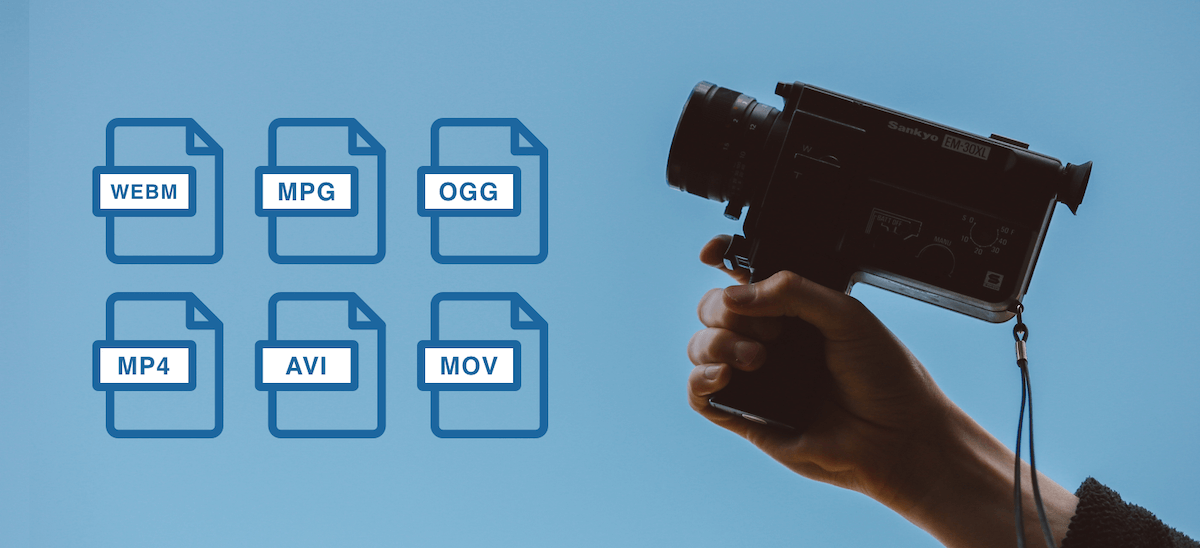
MP4, most digital devices and platforms support MP4 files, rendering it the most universal video format around. Can also store video files, audio files, text, and still images. Generally, retain high video quality while maintaining relatively small file sizes.
MOV is the video format specifically designed for QuickTime Player. But since there’s a version of QuickTime Player for Windows, MOV is also compatible with Windows. Can store audio, text, and video effects. Due to its high quality, it takes up significantly more memory space.
WMV was developed by Microsoft, so your audience can play these types of videos on Windows Media Player.
FLV, Specifically designed for Adobe Flash Video Players and is one of the most versatile and popular video formats which is compatible with each web browser and each video platform. If your audience streams a lot of videos on online platforms (not compatible with iOS devices and a lot of other mobile devices).
AVI One of the oldest video formats out there, Developed by Microsoft in 1992. Since it’s been around for so long, the AVI video format is one of the most versatile video formats, supported by most web browsers.
AVCHD Panasonic and Sony developed the AVCHD specifically for digital camcorders, mainly when shooting high-end videos.
Editing Techniques
180 Degree Rule, Heat Dinner Scene
30 Degree Rule, Avengers Group Fight Scene
The 30-degree rule is a rule used in filmmaking to create continuity between different shots within a larger sequence of shots. Similar to the 180-degree rule this is used to keep the image from feeling jarring to an audience and allow them to concentrate on the image in the frame. LightFilmSchool
Shot/Reverse Shot, 50/50 Diagnosis Scene
Establishing Shot, The Shinning Opening Scene
Cut In, American Werewolf in London Transformation
Cut ins are used to indicate the emotions of the character in the scene by cutting into the expressions of the actors. This is most commonly used with Closeup and the Zoom In-camera methods as talked about within the website Studiobinder
Temporal Overlap, Mission Impossible 2 Car Chase Scene
Match on Action, Reservoir Dogs Opening Titles
Match on Action refers to an editing technique where the editor cuts from one shot to another view that matches the first shot's action. Such as someone entering or exiting a building, most commonly used when transitioning from one scene to another. VideoCide:
- (Jonathan Paul 2015) 8 Essential Cuts Every Editor Should Know, premiumbeat.com
- (Kyle Cassidy Article Not Dated) Cutting on Action, videomaker.com
- (Ross Hockrow 2014) Pacing for Video and Cinema Editors: Timing and Types of Cuts, peachpit.com
Kuleshov Effect, Welcome to Jurassic Park
Kuleshov Effect is an emotional response created by an editing technique of having the characters facial expression contrasted with another shot that changes how the audience perceives the characters expression. As Alfred Hitchcock expertly said with his example of a man's reaction to a woman in a bikini and how it changes when the images are changed to a baby. (Mike Springer 2012) open culture
Eisenstein's Methods of Montage (five methods of montage):
Metric Montage, refers to cutting in exact measurement rather than the content of the shot. To clarify according to (Chris Heckmann 2020) Studiobinder Metric Montage is inspired by the pacing of a music score/the meter of sound in a film. Used to create a visual pace within a scene by cutting to the next shot after a finite number of frames despite action in the scene. October: Ten Days That Shook the World
Rhythmic Montage, if Metric Montage is used to establish a visual pace, then the Rhythmic Montage is used to keep to the pace with is the use of sound and visuals and the continuity this creates based on matching action. Rocky Training Montage
Tonal Montage uses the emotional meaning with the use of two or more shots that support one another to build a theme that gains a reaction from the audience, which can be used with a combination with other montage methods like Rythmic. Nerdwriter's Analyse on Parasites Perfect Tonal Montage
Intellectual Montage, uses images to create meaning or metaphors for the audience to understand messages of the sequence usually used in combination with the Kuleshov Effect. 2001: Space Odyssey Dawn of Man
Over Tonal Montage, the combination of all 4 other methods of montage. This is to help induce an effect on the audience and help them feel emotionally connected. The Untouchables Stairway Shootout is a perfect example of this by using all methods of montage:

Conclusion
Learning the Basics of Editing
Getting Started

Importing Media

Preparing Your Clips

Editing Your Clips


Creative and Stylistic Edits

Adding Titles

Adding Transitions to Clips

Working with Audio

Adjusting Colour of Clips

Things I have Learned From These Tasks
From the Editing Clips section, I learned how to zoom in and out of certain clips to have more detailed editing by being able to extract or insert sequences together frame by frame.
Exporting Your Work section taught me how to properly construct my media files to be exported into complete sections and keep their original quality.
I learnt how to enhance and change the colour of the original footage of a clip in the Adjusting Colour of Clips section which will allow me in the future to make my footage appear to be at a different time in the day or allow me to colour code my frames for extra meaning.
Conclusion
Going through this tutorial and gaining a familiarity with the editing software (Premiere Pro) was of great help during my course as knowing the basics were the stepping stones into creating more complex edits leading to my final projects. It necessary as it gave me the confidence to be bold in the future as I familiarised myself with the toolset. Overall I think it would of better served me to have done these tutorials through the course as we had long spans of not editing meaning that I grew in and out of familiarity with them.
Organising Footage Evidence
During my projects, I organised my footage for the ease of the editing process. As it allowed me to locate what I needed for each stage of editing, despite the vast number of video files.
Folders
I separated my footage into separate files for different elements of the project, for example during my Music Video Project I filmed on two different days so I created two different files one for the first shooting day "Lust of a Vampyre SD1/SD2" SD being short for Shooting Day. This allowed me to better find the footage from both days easier.

Re-Naming Files
I also renamed specific pieces of footage I wanted to use in my production, this was to better fit these shots into the edit as I filmed them for certain segments in the sequence/project as it made them easier to search for in their folders.

Raw Project File's


Had my project files saved on adobe cloud (allowing me to edit them at home and on-site) in their still editable state allowed me to re-edit certain details after seeing the exported version to fix problems I didn't see while editing and allowed me to go back and take screenshots for editing evidence.

Final Project with All Footage Files
After the project was complete I organised them into folders with the footage I used for each of them. This was so I could go back to look for certain pieces of footage that I wanted for other projects but also kept my computer organised for future projects by operating footage from complete sets of work (which was particularly useful when I was doing multiple projects at the same time).


Bins
Organized my Bins for the ease of the editing process, allowed me to pick shots for certain beats of my sequence structure that I planned out with my storyboard for example I separated the exterior shots I wanted for the establishing shots at the beginning of my music video so I could find them more easily while editing. This also saved me time as it meant I didn't need to rename each individual piece of footage to know what it was and where I wanted to use it.Also allowed me to separate certain elements I wanted from my raw footage, like my audio and editing effects (text, filters, etc.) allowing for their easy application.


Conclusion
Overall I think that my organisation of footage for my projects was a useful exercise. It allowed me to better apply my wanted footage to sequences during the editing process by making them easier to find with folders and bins designed around the structure of my storyboard/shot list plan. It also made my work seem more professional standard as it is a requirement for editors to organise in order to be successful in the industry, without the minimum of this level of organising with bins and folders it would make editing full feature films and other long-format visual media near to impossible. In conclusion, while I think this exercise improved my editing through a smoother workflow caused by this organisation system. If I was to do this again I would have my work saved on another hard drive/memory stick of some kind, I was lucky not to have any of my footage corrupt or get lost during the course. By having my footage in a backup format rather than entirely stored on my home computer I would have been better been prepared and organised for incidents that could have sabotaged my projects making me and my work better industry standard by being prepared for the worst-case scenario.


Split Screen and Horror Editing Conventions
Split Screen Editing Technique
We were set a research task to showcase examples of the split-screen editing effect and to create our own sequence using it, this was to get us familiarised with more complex editing techniques/styles and show how they are implicated to create meaning in film.
In filmmaking, split-screen is an editing technique that is used to get two different scenes on screen simultaneously, the most simplistic use of this technique is usually to have an actor appear in a scene twice on the left and right of the screen.
Used widely in films for a variety of reasons, Scott Pilgrim vs The World (2010) uses this editing technique due to its comic book style.

While 500 Days of Summer (2009) uses it to contrast the sad reality and the dream/expectation of meeting an ex after a long time.

Split-screen has been used countless times in film for a variety of purposes from granting another perspective on a scene to instilling simultaneous emotions and goals of characters. Premium Beat breaks down notable examples from Cinema that I have taken certain notable ideas of split-screen from.

My Own Example with Horror Editing Conventions
Due to the flexibility of the editing technique, I thought I would apply it to horror short by using horror film editing conventions in combination with Split Screen and see how effective they would be combined.
Cross-Cutting
The horror genre uses cross-cutting to add suspense and terror within an audience, the most common reference to this being Jaws (1975) where the scene cuts back and forth between the shark and its prey. This is to create a sense of dread in the audience as we see a character usually unaware of the threat believing themselves to be in relative safety contrasted with the nearing danger of a threat they cannot see, but the audience can. This in combination with the split-screen effect worked well in the short as I applied the same concept but with two different images as one shows the man in the safety of his home and the other a killer stalking them through the window. The same effect but applied with two different pieces of footage rather than two cuts back and forth.
Example
Long Takes
Sometimes choosing to not use editing or to create the appearance of little to no editing has an effect. I implemented long takes in this scene to enhance dread by taking the convention from horror films like Alfred Hitchcock's Psycho (1960) which uses the length of the shot to set up a scare for the audience. In that film, it is the woman in the shower and the shadow of the killer growing closer. For my short film, the long takes of the stalker outside of the man's home as he grows closer and closer to getting inside was my take on this editing technique as I hid cuts within my characters movement to make it seem like a single long take. By having the same scene play out in this single shot style from two different perspectives it also created a temporal loop where we see the man get killed twice which I thought created a quite unique and original ending to the sequence.
Example
Quick Cuts/Jump Cuts
Used in horror to disorientate the audience this can be to showcase characters confused/dazed state of mind during a horror film as the camera movement speeds up to indicate their fear/paranoia or it is the implementation of a jumpscare as the sudden transition scares the audience and the characters as it's timed with a jarring sound effect/movement the audience wasn't expecting. This is usually in combination with long takes and crosscutting in order to create a setup for the cut leading to the scare, as it creates more and more tension the longer the wait to the release of the scare. One of the best examples of a jump cut in a horror film is in the film Sinister (2012) when it jumps cuts to the man's reaction to a horrific video. I demonstrated the use of quick/jump cuts in my project as in the climax the shots become rapid and cut between one another at a quicker pace to represent the struggle of the man as he gets choked to death.
Example
The Art of Editing Horror | Dissecting Fear by GammaRay
Conclusion
While I think I successfully demonstrated the editing techniques of the horror genre as well as the split-screen technique I think I could have better implemented audio editing of a horror film by adding dramatic instrumentals to create tension. While I did use an atmospheric instrumental soundtrack which successfully set up my clip as being horror genre inspired due to it being very unsettling according to my peer's responses. I feel I could have better improved the piece by adding in some common conventions of sound design/editing pointed out by GammaRay in their video. Such as animal noises which would have been very impactful during the struggle between the man and the killer and droning sound effects to emphasise the silence.
The Sounds of Horror | Dissecting Fear by GammaRay
How Do Horror Scores Condition Us To Be Scared?
Conclusion
While being just a simple sequence creation and research task this was a great experience as the activity helped expand my confidence with the editing software and my creativity in the production as I considered how I wanted to implement the edit into the final sequence. So I decided to use tropes and genre conventions like the sequence in 500 days of Summer (2009) but instead of romance conventions, I used horror conventions. Overall I think it showcased to me the effectiveness of bold techniques on a project but I feel due to the nature of the technique I needed to better prepare in pre-production to account for the inevitable continuity errors ad issues caused by filming a scene twice with only one camera.
Experimental Music Video
We were given the song About You by XXYYXX and tasked to create a music video for the track using repurposed footage and images of our choice. I decided to use the majority of images from classic horror films in combination with digital and tv static to create a technological horror aesthetic which I was inspired to make by Tetsuo: The Iron Man (1989) and the video featured in the 2002 film The Ring, as well as its Japanese predecessor Takashi Shimizu's Ju-on film series examples, being; Ju-On The Curse (2000), Ju-On The Grudge (2002), etc.
During the making of this music video, I learned how to edit to the beat of music similar to the style used within the work of Edgar Wright. I have also used a collaboration of editing effects to give the collected footage I wanted, a combination of sinister meets technology-based horror as I combined the Mosiac effect within Premier Pro a fluid simulation to make it look like a pixeled essence was corrupting the video footage.
This video by konradnoises helped me think about the sound during editing and helped me break down mentally how I should be editing to music and sound, which I will be implementing into my future work and think out thoroughly in the future.
My About You by XXYYXX Experimental Music Video
Overall I achieved my goal of a sinister tone mixed with creepy pixeled effects akin to my inspirations, however, in the future, I would like to create a narrative within the music video that could be followed. But for a task where I used repurposed footage and not my own I succeed in creating an impactful and lasting image for the viewer to experience.
Conclusion
This was a great exercise to further my understanding and skill in editing a music video, as it focused on creating a Visual and lyrical link with match editing style, however, I feel like it would have been better to gather my own specific footage to create this video I feel that my choice of footage successfully created the horror/sinister tonal montage effect I wanted to achieve. In the future, I would try and find a single source to use footage from as it would then minimalize the visual difference between each scene making it seem more like one single coherent piece of work by minimizing continuity errors.
New Wave Film
Design Brief
In my film, I want to reflect on the isolation due to lockdown in the UK has had on people mental stateI want to repurposed news footage from the daily coronavirus infection counts to the speeches made by Boris Johnson.This will hopefully create a social realism film aesthetic similar to the opening scene in La Haine (1995) by using montage to showcase the current state of the UK during the pandemic as we are panicking and increasingly getting frustrated with our leader for inaction and half measures.
However, unlike La Haine (1995), I want to intercut this montage with footage from someone in isolation who is losing the mind while also showcasing the events unfolding during lockdown like university students trapped inside their dorms forced to pay for classes that could have been done at home.Will use M.I.A's song Paper Planes in the soundtrack as the lyrics about a grifter taking money are contrasted with the politicians like Boris Johnson as they take money from students and leave to rot in their dorm rooms while the virus claims whole sections of school like Manchester University.I already have a lot of footage from public transport looking at the empty streets in lockdown so I willcontrast that interior shots looking out of windows indicating the UK's wish to go outside and leave this pandemic behind us and to signify the cramped space the character is locked in during lockdown. I would love to film this in a university dorm room however for my own safety concerns and due to current lockdown conditions that seem unlikely so I will have to make my own home feel as compact as possible by using close-ups and low key lighting making the visibility, this will make the environment/setting seem more claustrophobic.
I want to create a merge of techniques from Hong Kong New Wave and British New Wave by having the overarching onstage sequence be realistic and invoke social realism films like Kes (1969) I want to combine that with my section of someone going made in isolation by using Hong Kongs New Wave techniques such as the work of Wong Kar-wai as he creates a dream-like atmosphere. However, unlike Wong Kar-wai, I want to use this effect such as slow-motion (slow shutter speed) and overlaying images to create a nightmare that my character desperately wants to escape.My use of low angles and dutch angles in these shot of my character screaming will hopefully create a further sinister unhinged tone by making the audience look up at this character in a crooked position giving them an image of power but in combination with the dutch angle, it also showcases the lack of control he has over his own mental state as the madness causes them to act out and scream in there isolation.
I will use my Panasonic Camcorder with a 55mm Zoom Lens, however, to create the most natural style possible for my film for the sake of realism I will only be using the standard lens focal range of 35 to 50mm, as this is the most accurate lens type with the human eye due its focal length being the same as our eyes themselves making us feel present like we are in the scene ourselves.My use of this camcorder for my production will create a home video quality to the footage, similar to the 40mm home films of the past which I will be mimicking with overlays and scratched effects to my footage. I will combine the footage of my camcorder to the footage gathered on my phone emphasising my inspiration for realism from British New Wave, as unlike film cameras like the "Sony Pxw-fs7 II and 18-110mm Lens" which are used in actual film production to give a sleek clean look to the footage synonymous with films while I want to have faults and grain in my footage making it seem more natural as the faults in cheaper cameras like those in iPhones make the film seem more authentic. and will be using mostly closeups and handheld camera. I plan to use filters and overlays in post-production to add grain and texture to my footage giving it a home video aesthetic. Much like films in the found footage genre as I will be taking some inspiration for the nightmares from found-footage horrors like The Blair Witch Project (1999) and Rec (2007). For this reason, I will be using natural lighting rather than bringing key lights this is due to my montage being of establishing shots of naturally lit environments mixed with news footage that has already been shot meaning I can't alter the lighting choices but the interior shots with my subject going mad will use low key lighting will be best to create my intended sinister atmosphere.
Due to the current lockdown, I will be shooting inside my house so there is no real need for a risk assessment. But during the shoot, I will be handling a knife so in advance, I have dulled the blade and have placed a medkit just off-camera on set on the off chance I accidentally cut myself.New Wave Film Final Edit
New Wave Film Final Edit
Evaluation
Overall I believe my production was a success, I created a film that followed my initial idea and plans for what I wanted to make my film about the context of the current state of the UK in 2020 and showcase that through a montage and through the descent into the madness of a character isolated in lockdown. My editing to the beat of the song with the montage created an engaging film and the chaotic mix of my "nightmare" imagery made the film feel sinister. This was also achieved by having vocational glitches in the montage to make the audience feel uneasy.
The sound of a news interview and Boris Johnson's speeches clearly indicated the current panic of the UK government as cases of Covid rise, my use of sound in the nightmare periods of the montage which I purposely used a lack of sound for some of them and loud static and screams in others and perfectly showcased the desperation form both the public as I increased a shots shutter speed to make the image look more jittery and distorted and I overlayed the same image making it seem like multiple people were screaming and form the government to get things back to normal and I executed my plane to use the song Paper Planes to showcase how the public feels betrayed by johnson and how the current university students trapped in their dorms see him and the university boards as thieves. I accurately followed my inspirations for the film with my use of close-ups coming from Hong Kong Cinema like Fallen Angels (1995) and the use of real news footage to create an environment of social realism/British New Wave like in Kes (1969).
Overall I think my use of camera and lighting was successful in creating my intended cramped/claustrophobic feeling with my use of closeups and my shot choices that fill the frame more during the "nightmare" sequences when cutting back between the montage however I think this effect could have been improved from a small like 2.2:1 which is used in 70mm frame as by having this black bar on the sides of each shot would make these shot feel tighter and more cramped like when used in Lighthouse (2019) which uses aspect ratio to make the characters feel trapped, adding to there forced isolation on an island in the middle of a vast sea. But I successfully created my intended natural look to my film with my use of 35 to 40mm focal range as it mimicked the human eye and with my use of overlays and scratches to the footage in post-production to mimic old fashioned home videos.My lighting could have been more experimental, yes my low key lighting made the setting feel naturalistic due to my use of actual lighting fixtures in my house but if I mixed experimental lighting with my use of low key it could have added to the dream/nightmare aesthetic seen in my inspiration Hong Kong New Wave cinema, like how coloured lighting is used in The Mood for Love (2000) to create the dreams each character has for the future.
In my opinion, I achieved my goal by showcasing the state of the UK during the pandemic through my use of footage showcasing the rules of coronavirus like social distancing to further provide the context to the isolated establishing shots. But if I wanted to improve my footage I would like to find a more condensed/small environment to film my character's descent into madness as it could then more accurately recreate the state of students in universities, which was one of the main events I wanted to highlight in my montage with my use of still images.
Holiday Isolation Editing Evaluation
Evaluation
My Plan Vs The Final Product:
In my opinion, I successfully used the following film techniques to showcase Lacan's Psychotherapy Theory on Lack and Freud's Theory of the Self; Mise en Scene (lighting, setting, performance, etc.) and Cinematography (Camera Angles, etc.) as well as Editing. and overall achieved my goal to explore these theories in the film as I combined my influences of The End of the F***ing World (2017-2019) with its aesthetic/tone and lighting methods and the work of Wes Anderson specifically The Grand Budapest Hotel (2014) with its use of the Symmetrical Composition.My film still follows a man as he deals with being isolated from friends and family during Christmas and how he deals with this Isolation.
Editing:
In my film, I use Editing Techniques to showcase my explored Theories of Lacan and Freud. For example, I displayed The Mirror Stage from Lacan's Psychotherapy Theory of Lack which is one of the stages of development according to Freud where we as humans recognize ourselves in mirrors or more accurately the outside image the world sees. I demonstrated this stage by having the character staring into the mirror Prop/Decor) during one of the scenes, I then used Split Image and by using Cropping Tools on my editing software (Premiere Pro) I overlapped two pieces of footage to make it look like his reflection was an independent character in the scene from himself. This was to represent him losing his sense of self in lockdown as the image walks out of the mirror leaving The Man without a reflection, signifying how because of being inside for so long he has forgotten what his image to others looks like and expresses his found realization of his lack that cant is filled according to Lacan.
I also demonstrated the Oral Phase, which is the stage of early adolescence birth to 1-year-old where the Id is generated as the child learns to yield satisfaction and survival from putting things in its mouth according to Freud's Theory of the Self, by using Montage Sequence Editing in my film.I demonstrated The Man regressing into the Oral Stage as I cut between the basket full of baked goods that the character receives and Closeups on his mouth as he consumes them I also Speed Up the footage in Post-Production to make the motion and time period seem more fast-paced and animalistic as it represents my character embracing the Id through his pleasure in consumption and by Zooming In on my characters mouth it evokes the image of a baby eating linking back to the adolescent of which this stage takes place and showcases my character at his lowest point in the film. Also, the contrast of the Shot of the orderly basket and the Cut to the chaotic unpleasant imagery of my characters chewing mouth showcases a battle between the characters inner self The Super-Ego represented by the orderly Basket of Baked goods and the characters maw symbolising the Id.
Overall I think my use of Editing successfully created the stages of development believed in Lacan and Freud's theories as I created accurate displays of self-reflection with the Mirror Stage and the Characters dive into regression into self-indulgence of the Id/Oral phase. however, I think I could have been more creative in my Transitions between scenes and if I was going to do this project again I would use more of an Edit to the Beat Style in combination with the Non-Diegetic Music to make it feel more Rhythmic and sequenced making the film seem more like a daily routine similar to prison to add to my characters feeling of isolation and living under the thumb of the orderly Super-Ego.
In conclusion, I used Camera to convey the Freudian Theory of the Self with it displaying the conflict with the Super-Ego and Id as well as The Real and The Symbolic relationship that Lacan breakdown with the contrast of Longshots and Closeups and Camera Movement/Static. However, I feel I could have made this more obvious with this composition combined with Split Lighting to symbolise these opposing theories and I think I could have gotten more equipment (like a Dolly) to make my Vertical and Horizontal Pans more fluid and professional, however, since I was working with the equipment I had at home I think it makes the film feel more grounded much like a social realism film making it more impactful to the audience as it feels like it was filmed by someone in the pandemic right now.
Final Conclusion of Holiday Isolation
In my opinion, I achieved my goal to create a film that showcased the Theories of Lacan and Freud using Cinematic Techniques of Mise en Scene, Editing and Camerawork, however after completing this piece work I feel I have come around to new ideas that film can represent and knowing what I know now there are multiple technical improvements I would make.But if I was to do this again I would include The Male Gaze Theory of Mulvey in this film to better showcase my characters obsession to leave his home during the pandemic with Fragmentation Techniques used on female characters to highlight my Setting rather than a character in its Cinematography I think this could have created an interesting experimental style.
Rule of Six in Editing
This research task was to break down the Rule of Six created by Walter Murch and examples of them through film and their effect on an audience/the final product.
The rules of six refer to the theory created by Walter Murch (American film editor most known for his work on Apocalypse Now, 1979) which refers to the criteria to a perfect cut within a film a cut that consists of emotion, story, rhythm, eye trace, a 2D plane of the screen, and 3D space. Nofilmschool.com
The Art of the Cut, Greg Keast. Talking about Editing
"You will be creating a psychological experience of reality and manipulating the overall mood by tempo."

Emotion (51%)
The feeling of the scene and how it will affect the audience emotionally in that section of the work. Does the cut/edit match the tone of your film, if you were making a serious Drama you would edit differently to a comedy like The Hangover (2009) as you are trying to establish different emotions depending on its audience.
The Hangover (2009)
Story (23%)
How the editing furthers the narrative of the video as it continues the dialogue of a scene with a shot-reverse-shot, does it flashback to an important piece of information from a different time in the film like in Momento (2000). Or does it share important information that is needed for the audience to know what's going on? Basically, does the edit move the story along in a meaningful way?
Memento (2000)
Rhythm (10%)
Heavily connected to the emotion and story aspects of editing, the rhythm keeps the pace of a scene. By editing to the beat of the music (non-diegetic) and cutting to the energy of the scene, fast-paced quick cuts using a handheld camera/shaky camera for a car chase scene like in Baby Driver (2017).
Baby Driver (2017)
Eye Trace (7%)
When an edit keeps the most important part of the frame near where the last shot had them. For example in the film Seven when the police arrive at the scene of another homicide all the important information is in the centre of the frame. This follows Eye Trace as it easily allows the audience to keep track of the scene during the cuts from the interviewer talking about the case to the office floor painted with greed in the centre of the office carpet.
Seven (1995)
Two Dimensional Plane on Screen (5%)
This is transforming our reality into the two-dimensional reality on screen and follows the 180-degree rule as characters maintain a relationship from left to right of each other in the scene and the camera follows this line to not confuse the audience s they can easily keep track of the characters.

Storybinder The Shinning (1980) Example

Three Dimensional Space (4%)
The physical space around the scene, positioning of certain props actor positioning, etc. This is essential to maintain emersion in the scene, however, it is the last rule because despite emersion being important what is more important is that a scene engages the audience's emotions and invests them in the narrative/story. An example of a great scene breaking this rule is this scene from Goodfellas (1990) as props and actors positioning constantly contradict each other.
Goodfellas (1990)
Use in Advertising/Promotional Video
We can use these editing rules from Walter Murch to help sell/advertise products by helping us engage them with narrative and emotion.
Advert Example: Diet Coke (1994)
Emotion
Advert uses editing to establish a desire from the audience as it makes the man look wanted/desired by the women on the hill as they use intimate closeups of the reactions when he takes off his shirt in combination with the shot-reverse shots. By making the audience feel this desire for the man it makes them have a desire for the product as the creators have used male gaze techniques like fragmentation to sexualise the man and the product of Diet Coke.
Story
The advert showcases the rule of the story in editing as we see the story of a group of women having a picnic as they give the gardener a diet coke. The audience watches the coke can through the grass with panning/tracking shots. We see the journey of the product to the man as it cuts back and forth along with the non-diegetic music of Etta James "I just wanna make love to you" (1960) makes the scene feel like a meet-cute from a rom-com like What if (2014) as the footage goes into slow motion and the sound effects are edited into a dream-like echo and enhanced with the high key lighting. As the story of romance and desire seduces the audience into buying the product themselves.
Rhythm
The advert follows a quick pace narrative with the music by Etta James, this is both to match together an engaging sequence as the music perfectly fits the stolen glances of seduction between the characters and for the men undressing but also allows the advert to showcase their product quickly and effectively as we see a story encouraging its consumption with the heightened sexual tension of sound and camera techniques, and keeps the add at an exact minute making it cheaper to make and buy ad space for.
Eye Trace
The editor in compilation with the cinematographer uses shots that focus on the centre of frame e and use blur effects to draw the focus of the eye to the actors and the product of the diet coke can. Keeping the audience engaged and their focus clearly drawn to the most important aspects on screen they want them to pay attention to. The product and the sexual tension between the women and the man.
Two and Three Dimensional Space on Screen
We see the characters clearly following the 180-degree rule, as the positioning on the man on the left and the women on the right allowing the audience to easily keep track of the characters positioning from each other, and the seen keeps continuity between the actors with there positioning and relationship with the setting remaining the same throughout the scene, the only continuity error being the changing lighting outlining the fragmented figure of the man as he undresses.
Overall
The advert uses the techniques of Murch to sell their product by making the audience engaged with a seductive emotion and relationship with the characters within it. By having these feelings in the advert, they make the transfer to the product, encouraging people to buy the product hoping they will have a similar experience to the characters in the footage as it silently claims you will become attractive like these paid models/actors by drinking diet coke.Overall I think the advert uses sexual references as a weapon and has quite outdated male gaze techniques like fragmentation that portray both the men and women in the advert in an unrealistic light with unnatural beauty standards and I think this advert could be greatly improved with more modern conceptions of gender and relationships.
Carol Vernallis Music Video Theory
Carol Vernallis Music Video Theory by Joseph The Anglotalian
Similar to the theory purposed by Andrew Goodwin Carol Vermallis in her books "Experiencing Music Video (2004)" and "Unruly Media: YouTube, Music Video, and the New Digital Cinema (2013)" she considers editing, continuity, their meaning and the role they play within music videos. The effect of sound and imagery synchronization as the lyrics line up with visual elements of mise en scene and the general impact of editing within a music video affects the audience.
Her theory can be broken down into four main areas that have a significant effect on the final music video product.
Editing
Music video editing is one of the most important elements of a music video, it can break or follow conventions it can disregard continuative editing and can be a background effect or the main idea the video is based on rather than a usual narrative style and according to Vernaillis its 4 most distinguished methods/techniques are the use of Jump Cuts and Juxtaposing Frames/imagery, Breaking the 30 Degree Rule, use of cutting lyrics to the beat of the music.
Conventions:
Editing style may match the musical language and the pace/beat of the song itself
Videos dismantle/disregard the many rules of continuity editing Editing is not subtle as they want attention rather than immersion
Example/Breakdown
M.I.A. - Paper Planes
Directed by Bernard Gourley for the 2009 music video of the 2007 song, this video showcases the conventions of editing within music videos. The song follows the artist of M.I.A as we see her walking around London and working in the back of a food truck, the use of conventions like the use of matching the beat of the song with the edits on the screen. This is especially present when the song uses the sounds of gunshots and imagery of a cash register sliding open to the lyrics "take your money" this use of obvious imagery including closeups on pound notes drives home to the audience the themes of poverty present in the song, as both the lyrics and the imagery showcase the struggles of working-class life in the UK.The editing also follows the troupe of disregarding continuity as the location of M.I.A appears back and forth between locations and sequences in a non-linear narrative, possible emphasizing the endless rhythm of working-class poverty that the song highlights. As M.I.A is trapped in a loop of earning money to survive. This use of editing follows the conventions I listed above as it keeps the engagement of the audience by using rhythm-based editing style and obvious imagery sending a clear message and theme to the audience as it disregards the rules of continuity editing.
How will this Affect my Own Music Video?
This has affected my music video by expanding my knowledge on the expectations of the music video genre, I think for my music video I will lean into the disorganized/unstructured use of narrative, as I think this will be easier to achieve than having a fully realized story with my limited resources. I also think I should have a focus on the Diegesis of my music video and try and break down what I want my music video to say and what I want to give my audience to the intended meaning of it. As I think this will lead to more engagement as my audience wants to figure out what it all means and still allows me to create more experimental imagery and use unorthodox techniques.
This has affected my music video by expanding my knowledge on the expectations of the music video genre, I think for my music video I will lean into the disorganized/unstructured use of narrative, as I think this will be easier to achieve than having a fully realized story with my limited resources. I also think I should have a focus on the Diegesis of my music video and try and break down what I want my music video to say and what I want to give my audience to the intended meaning of it. As I think this will lead to more engagement as my audience wants to figure out what it all means and still allows me to create more experimental imagery and use unorthodox techniques.
Conclusion
This breakdown of editing in music videos as seen by Vernallis allowed me to engage the editing process of my own music video with a free and fluid outlook as her beliefs about how editing can be applied to production were so the atmosphere and without structure it truly made me feel I could create whatever I wanted in post-production whether it followed a narrative or disregard all the main rules and techniques of ending I learnt from Mulvey as long as I made it kinetic and linked with my imagery in a meaningful way I will still be on the path to creating an industry-standard product.
Giallo Video Essay
Evaluation
In my Giallo New Wave video essay, I discuss the origins of the wave from the yellow covered pulp novels originating in the 1920s and '30s that were inspired by the man who meant consider to be the creator of the new wave Mario Bava and his inspiration like Alfred Hitchcock. I broke down the wave into its building blocks how it inspired early slasher horror in 1980s America and analysed 3 films from Giallo auteur Dario Argento and how they represented Italian fears of female independence with the rise of the sexual revolution and the counter culture movement as well as the transition of Italy's economic transition from rural poverty to Urban and rich in the 1960s. This was due to the “Economic Miracle” that took place over the 1940s and 1950s as trade union restrictions were lifted after the fall of fascism within Italy and the increase in the making of consumer products. Britannica.com.
However, in my opinion, I could have better improved this video essay in multiple ways, from a technical standpoint I would have liked to individually label the footage throughout the video in order to better credit my sources to Harvard referencing standard but due to time constraints, I thought I would better focus on other aspects of the video like my analysis of my 3 chosen films. I would have also liked to improve my microphone audio in some segments of the video, due to lockdown I have been able to record my audio in a soundproof environment meaning I had to construct and schedule my voiceover but unfortunately not all my audio was up to my standard.
In order to improve my video, I would have liked to discuss in more detail about Italy in the 1970s and how this impacted Dario Argento's work from the discussion of The 1970s form the law on divorce and 1978 law on abortion, Life in Italy "Life In Italy 1970s To 1980s". But to be honest, adding these aspects to my analyse of Dario Argento's films would have been extra credit as I already discussed how the rise of women independence from men was found in his films.
Overall, in my opinion, I successfully created a video essay that showcased the origins of the wave and its context through the 60s and 70s, yes there could have been some technical improvements but I completed my goal to educate those who watch it on what Giallo is and how it still influences work today.
In my Giallo New Wave video essay, I discuss the origins of the wave from the yellow covered pulp novels originating in the 1920s and '30s that were inspired by the man who meant consider to be the creator of the new wave Mario Bava and his inspiration like Alfred Hitchcock. I broke down the wave into its building blocks how it inspired early slasher horror in 1980s America and analysed 3 films from Giallo auteur Dario Argento and how they represented Italian fears of female independence with the rise of the sexual revolution and the counter culture movement as well as the transition of Italy's economic transition from rural poverty to Urban and rich in the 1960s. This was due to the “Economic Miracle” that took place over the 1940s and 1950s as trade union restrictions were lifted after the fall of fascism within Italy and the increase in the making of consumer products. Britannica.com.
However, in my opinion, I could have better improved this video essay in multiple ways, from a technical standpoint I would have liked to individually label the footage throughout the video in order to better credit my sources to Harvard referencing standard but due to time constraints, I thought I would better focus on other aspects of the video like my analysis of my 3 chosen films. I would have also liked to improve my microphone audio in some segments of the video, due to lockdown I have been able to record my audio in a soundproof environment meaning I had to construct and schedule my voiceover but unfortunately not all my audio was up to my standard.
In order to improve my video, I would have liked to discuss in more detail about Italy in the 1970s and how this impacted Dario Argento's work from the discussion of The 1970s form the law on divorce and 1978 law on abortion, Life in Italy "Life In Italy 1970s To 1980s". But to be honest, adding these aspects to my analyse of Dario Argento's films would have been extra credit as I already discussed how the rise of women independence from men was found in his films.
Overall, in my opinion, I successfully created a video essay that showcased the origins of the wave and its context through the 60s and 70s, yes there could have been some technical improvements but I completed my goal to educate those who watch it on what Giallo is and how it still influences work today.
Peer Assessment Data Breakdown
I showcased my video essay to my class during one of our sessions, after they had watched it they provided me with comments about how to better improve my video essay and what worked well within it.
My classmates enjoyed the clear structure throughout the video essay as I outlined the troupes of the New Wave with elements of filmmaking from the use of sound (Exaggerated/Foley) and cinematography techniques (P.O.V/Handheld) commonly used in Giallo.
They thought I successfully educated them on the context and impact of the new wave, from Italy's Economic changes of the time to the sexual revolution of the '60s and seeking of female independence within Italy and the world at large. This was due to my use of editing, which clearly showcased the experience of a Giallo film while visual providing evidence to my talking points such as my examples of Early 80's slashers inspired by this movement like Black Christmas (1974) and Halloween (1978).
However, they had issues with technical elements in the video such as the slight error in the text before my breakdown of The Bird with a Crystal Plumage (1970) as well as a lack of detailed description of the two auteurs I reference in the video Mario Bava and Dario Argento, they thought I should have given them more context within the video about there influences and how that impacted the new wave and overall more in-depth origin of both of these filmmakers as artists. My classmates also had issues with the length of the video and thought it could have been shortened to a more exact length.
I showcased my video essay to my class during one of our sessions, after they had watched it they provided me with comments about how to better improve my video essay and what worked well within it.
My classmates enjoyed the clear structure throughout the video essay as I outlined the troupes of the New Wave with elements of filmmaking from the use of sound (Exaggerated/Foley) and cinematography techniques (P.O.V/Handheld) commonly used in Giallo.
They thought I successfully educated them on the context and impact of the new wave, from Italy's Economic changes of the time to the sexual revolution of the '60s and seeking of female independence within Italy and the world at large. This was due to my use of editing, which clearly showcased the experience of a Giallo film while visual providing evidence to my talking points such as my examples of Early 80's slashers inspired by this movement like Black Christmas (1974) and Halloween (1978).
However, they had issues with technical elements in the video such as the slight error in the text before my breakdown of The Bird with a Crystal Plumage (1970) as well as a lack of detailed description of the two auteurs I reference in the video Mario Bava and Dario Argento, they thought I should have given them more context within the video about there influences and how that impacted the new wave and overall more in-depth origin of both of these filmmakers as artists. My classmates also had issues with the length of the video and thought it could have been shortened to a more exact length.
Conclusion
I learnt a lot from creating this video essay on Giallo, it taught me the importance of pre-planning and scripting my talking points for future essays (and scripts in general for audiovisual production) as I decided no to work with a concrete script in the video leading to a lot of improvising which made it difficult to create a concise educational material about the new wave leading to an extended runtime that could have been shorter and despite my best efforts, matching my talking points to the imagery with match editing was mostly successful but I feel the final piece was unprofessional with less than ideal sounding audio. Throuoiught this course I have greatly improved on my preparation skills as I have made it a priority for all my other project by implementing some type of shot list or storyboard to plan out the edit in advance. If I was going to do this project again I would rent a proper recording studio to grant myself better audio quality and have a concise essay planned out so that I can record the audio and then simply stack footage to emphasise various points in my argument or provide me with evidence.
Final Edit of Music Video
Editing Evaluation

My use of editing created an engaging video for my audience, this is because I used editing conventions common in music videos to boost engagement. For example, I used a match editing style to achieve a relationship between the visuals and the music of my video, by synching up certain lyrics like "In the light of the moon" with the image of the moon. I also tried my best to match the beat/rhythm of the song with the visuals, this is why at the beginning of the video when the song is at a slower pace I used less imagery and longer takes. Compared with the later parts of the video when the main chorus increased the pace of the music, so I used more quick cuts and more imagery to display this change to display this match editing style.
I also experimented with different editing techniques like the split-screen editing method. This was helpful as it allowed me to use the same actor in both roles as the vampire and the man, saving on both budgets and created a subnarrative of an inner conflict (Freud) as one represented the Id as they desired immortality and the other was the Super-ego who just wanted to sleep. I achieved this by creating mask layers and overlapping the footage on each other before cropping them into the same frame. This was achieved by mitigating continuity errors by having the lighting and camera positioning of each shot duplicated to the best of my ability on set, by marked setups for my equipment and shooting each shot on the same day. This allowed my footage to overlap without it looking like both of the characters were in separate locations, despite my best efforts one of my shots did not look convincing so I used the mask tool and feathered the outline of my image until it blended into my final shot.


I also altered the colour of my footage to change it into the black and white colour pallet to better replicate the silent film style. This was achieved by using the tint effect on my footage which automatically took the colour from my footage, and gave me a scale to cause it to brighten up for certain scenes and darken down for others, to best fit the scene and the low key lighting style.I also used a silent film effects pack which included the faults and scratches common in the older film stock which I didn't use (because I used a digital camera). This made the video feel more authentic and more visually similar to my silent film inspirations creating a more engaging video by having a unique visual style.


I also used the burn effects pack that I applied throughout the video by overlapping it with my footage, this created an experimental style to my footage as it mimicked the burning of real film reel but also allowed me to establish the setting as it mimicked the sun setting as the footage transitioned into the darkness with the film reel burning away the light. This also enhanced the aesthetic of the video by further creating the silent film style, without the need to use and spend the actual film stock required to do the effect practically. This was also because I intended the videos narrative to be a lost silent film much like nosferatu but unfortunately, I did not have time to implement my planned idea of inserting clips with "missing footage" on the scene. to make the video further seem like archive footage.

Overall, my use of editing in my music video created an engaging video by using a match editing style that established a relationship to the visuals and the music which is one of the bedrock conventions of music videos that continues to keep audiences attention, as it follows the tone and pace of the music which creates a pattern that is entertaining for a viewer to consume. It also allowed me to achieve my wanted visual similarities to the silent films that inspired the video creating an intertextual link with my use of overlapping editing and my use of effect packs that replicated silent films scratches and burning effects.However, I think I could have better followed the rhythm of the song by planning out my storyboard around the music with each imagery fulfilling the lyrics out visually, fora example "I'm getting older while you stay young" lyrics could have been visually matched with someone rapidly ageing compared to someone you and youthful. Creating a video similar to Vance Joys "Riptide" (2013) which has each shot planned with the lyrics, I feel in the future this is what I will try and achieve.


The Overall Use of Editing
At the beginning of this course, I was very unorganised when it came to the editing process, this is seen through my Giallo video essay as I did not craft a clear plan for what I was going to talk about leading to my final version being far longer than it needed to be due to my unplanned tangents which had a negative effect on the educational aspect the project it was supposed to encourage. However, as the course has gone on I have greatly improved by organising my editing resources more thoroughly with bins and folders for ease of access during post-production by learning the basic and beyond from the tutorials on premiere pro. This has caused my projects near the end of the course to become closer and closer to a professional standard of editing as my experience and knowledge of post-production has broadened. I learned from the smaller projects I did to thoroughly maximize the footage I acquired on set to make sure I had plenty to edit with, my research on the six rules of editing also allowed me to know what was better to prioritise during post-production by focusing on the narrative and feeling rather than continuity.
By researching the different genres and conventions of music videos and horror films I also expanded my mind when coming to my final music video project as I implemented the editing techniques I learnt about horror films and applied them to the final project like my use of cross-cutting between scenes to build tension and the long take format which also fit with the german expressionistic style I wanted. During the process, however, I found it difficult to keep a consistent work schedule during the editing process this lead to some projects becoming less polished in post-production than I wanted like my Holiday Isolation short film which because of my lack of consistent workflow ended up with my final rendering having a graphics error with my effect overlays accidentally creating issues with my on set lighting. But if I would have gotten it done in a more reasonable time before the deadline I could have fixed it and still had time to render an improved version but unfortunately, I was too late. Overall, I think my editing skills have really matured during this course as I have learnt the difference a steady workflow and planning process has on the quality of work I produce which I think is clear when you see my last project compared to my first.
I have consistently proven my capable understanding of the theories and the practical use of editing in my production as I have become a capable editor and evaluator of my own work as I contently strive for improvement as I have been armed with the knowledge of how to achieve a multitude of editing techniques for projects that are both conventional and not conventional. While I still need to improve my work ethic towards post-production and overall have my planning stage and editing schedule ready before starting any project rather than improvising on the fly I have taken great steps to do so. This would have greatly helped me with my earlier projects as without these planning steps I wouldn't have been able to achieve such a concise and clear vision for my final music video project.
Reference List:
180 degree Rule:
Heat Directed by Michael Mann
Ferrari A, December 13, 2019, "Film School Essentials: 180 Degree Rule" (Online) Available at:
https://indiefilmhustle.com/180-degree-rule/
Lannom S.C, Feb 18, 2019 "What is the 180 Degree Rule in Film? Crossing the Line with Purpose" (Online) Available at:
https://www.studiobinder.com/blog/what-is-the-180-degree-rule-film/
30 degree Rule:
The Avengers (2012) Directed by Joss Whedon
LightsFilmSchool.com, "The 30 Degree Rule" (Online) Available at:
https://www.lightsfilmschool.com/blog/the-30-degree-rule
Shot/Reverse Shot:
50/50 (2011) Directed by Jonathan Levine
Lannom S.C, May 13, 2019, "Shot Reverse Shot: Reaction Shots, Cutaways, and Coverage" (Online) Available at:
https://www.studiobinder.com/blog/shot-reverse-shot-cutaways-coverage/#shot-reverse-shot
Establishing Shot:
The Shinning (1980) Directed by Stanley Kubrick
Hellerman J, April 8, 2019, "Establishing Shots: Examples and Uses of the Camera Angle" (Online) Available at:
https://nofilmschool.com/establishing-shot-examples-and-uses
Cut-In:
An American Werewolf in London (1981) Directed by John Landis
Temporal Overlap:
Mission Impossible 2 (2000) Directed by John Woo
Wittusen C, 19 Feb 2014, "Varieties of Temporal Overlapping and Depth" (Online) Available at:
https://www.tandfonline.com/doi/abs/10.1080/17400309.2014.883477?journalCode=rfts20&
Match on Action:
Reservoir Dogs (1992) Directed by Quentin Tarantino
VideoCide, Last Modified on July 6, 2019, "Matching On Action" (Online) Available at:
https://videocide.com/glossary/matching-on-action/
Paul J, Oct 6, 2015, "8 Essential Cuts Every Editor Should Know" (Online) Available at:
Cassidy K, "Cutting on Action" (Online) Available at:
Hockrow R, Jul 22, 2014, "Pacing for Video and Cinema Editors: Timing and Types of Cuts" (Online) Available at:
Kuleshov Effect:
Jurassic Park (1993) Directed by Steven Spielberg
OpenCulture, May 2, 2012, "Hitchcock on the Filmmaker’s Essential Tool: The Kuleshov Effect" (Online) Available at:
http://www.openculture.com/2012/05/alfred_hitchcock_on_the_essential_filmmakers_tool_the_great_kuleshov_effect.html
Eisenstein's Methods of Montage:
Heckmann C, Mar 8, 2020, "Soviet Montage Theory - Definition, Examples and Types of Montage" (Online) Available at:
https://www.studiobinder.com/blog/soviet-montage-theory/
October: Ten Days That Shook the World (1927) Directed by Sergei Eisenstein, Grigori Aleksandrov
Rocky (1976) Directed by John G. Avildsen
Nerdwriter, Dec 31, 2019, "Parasite's Perfect Montage" (Online) Available at:
https://www.youtube.com/watch?v=ma1rD2OP85c&feature=youtu.be&ab_channel=Nerdwriter1
2001: Space Odyssey (1968) Directed by Stanley Kubrick
The Untouchables (1987) Directed by Brian De Palma
Inspiration for Music Video:
Tetsuo: The Iron Man (1989) Directed by Shinya Tsukamoto, The Ring (2002) Directed by Gore Verbinski, Ju-On Film Series (2000-2014) Directed by Takashi Shimizu, konradnoises Youtube Channel
Footage Sources used in Music Video:
The Return of the Living Dead (1985) Directed by Dan O'Bannon, Hellraiser (1987) Directed by Clive Barker, The Ring (2002) Directed by Gore Verbinski, Killer Klowns from Outer Space (1988) Directed by Stephen Chiodo, Hannibal TV Series (2013-2015) Showrunner of series Bryan Fuller, Dr Strangelove (1964) Directed by Stanley Kubrick, House of 1000 Corpses (2003) Directed by Rob Zombie, Evil Dead 2 (1987) Directed by Sam Raimi, Scream (1996) Directed by Wes Craven, 2001 Space Odyssey (1968) Directed by Stanley Kubrick, Legion TV Series (2017-2019) Directed by Noah Hawley, Deep Red (1975) Directed by Dario Argento
La Haine (1995) Directed by Mathieu Kassovitz
Kes (1969) Directed by Ken Loach
Fallen Angles (1995) Directed by Wong Kar-wai
The Blair Witch Project (1999) Directed by Eduardo Sánchez and Daniel Myrick
Rec (2007) Directed by Jaume Balagueró and Paco Plaz
Paper Planes (2007) by M.IA
The Lighthouse (2019) by Robert Eggers
The Mood for Love (2000) Directed by Wong Kar-wai
"Carol Vernallis Music Video Analysis" written by Steven Brazier, 25 Sep 2013 Available (Online) at:
http://chchsmediasbraziera2.blogspot.com/2013/09/carol-vernallis-music-video-analysis.html
"Carol Vernallis’ Experiencing Music Video: Aesthetics and Cultural Context" (2004), Available (Online) at:
http://www.mediafactory.org.au/fabiana-weiner/2016/01/06/carol-vernallis-experiencing-music-video-aesthetics-and-cultural-context-2004/
"HNC Creative Media Production - Will Barlow, Carol Vernallis - Music Video Theory (The Kindest Cut)" written by Wil Barlow, 13 February 2019, Available (Online) at:
http://willbarlowhnccreativemedia.blogspot.com/2019/02/carol-vernallis-music-video-theory.html
"Experiencing Music Video" Written by Carol Vermallis, 2004, Available (Online) at:
https://www.amazon.co.uk/Experiencing-Music-Video-Aesthetics-Cultural/dp/023111799X
"Unruly Media: YouTube, Music Video, and the New Digital Cinema" Written by Carol Vermallis, 2013, Available (Online) at:
https://www.amazon.co.uk/Unruly-Media-Youtube-Digital-Cinema/dp/0199767009
The Killers - Mr. Brightside (Official Music Video)
M.I.A. - Paper Planes
Thee Sacred Souls - Weak for your Love (Official Video)
Lily Allen | Not Fair (Official Video)
Peer Assessment Data Collected from the Following Participants: Katerina Angelides, Cameron Butler, Alexander Wyness, Kateisha Thandy (HNC Students)
Life in Italy "Life In Italy 1970s To 1980s" Published by Ancos, Jan 16, 2017, Available (Online) at:
https://www.lifeinitaly.com/history/life-italy-1970s-1980s/
Britannica.com "The Economic Miracle Industrial Growth" Available (Online) At:
https://www.britannica.com/place/Italy/The-economic-miracle
Black Christmas (1974) Directed by Bob Clark
Halloween (1978) Directed by John Carpenter
Crystal Plumage (1970) Directed by Dario Argento


No comments:
Post a Comment