Theory of the Self
Theory of the self also known as personality theory created by neurologist Sigmund Freud in 1923, which stated his belief that peoples personalities/consciousness or psyche were split into 3 parts the Id, Ego and Superego which form us as human beings by balancing desires with the rules of morality and society as we grew and developed through time/age. Simplypsychology.org
/illo_id-ego-superego-599dc5e3c41244001354e25f.png)
Freud believed that society dictates and controls pleasure wants needs through neurotic distractions and cultural beliefs that suppress pleasure, that society itself causes the necrosis that makes us feel bad like depression, anxiety, etc. As without the constrictions of society we would follow are natural dispositions we innately have (Ego, Superego and Id). Films use these examples to portray these dispositions and elements of ourselves through characters and settings however these morales, mindsets and experiences from the creator cannot portray the individual psyche of each viewer due to our different perspectives on life.
He believed that our desires could be broken down through Psychoanalysis which is the theory/therapy which seeks to bring our unconscious mind repressed fears/conflicts into the conscious selves with dream interpretation and free association, moments when the unconscious self showed its desires through action (error in speech, etc.) was called a parapraxis later coined as a Freudian slip.
I'm going to breakdown this theory by defining each of these three sections of our selves and use a film as an example of how this is represented in the cinema through the characters in a narrative.
Id
The primal urges and instinct of a person first developed during adolescence of newborn children.
This stage of development is where the Id is created and is considered the Oral Stage (Birth to 1-year-old) of Freud's psychosexual theory where they are entirely Id as they seek to achieve the primal needs of survival and self-satisfaction. In the film, this is often represented by the devil on the shoulder of a character whether it be the antagonist of a film who fulfils there own desires and chooses to break moral and societal laws to achieve them, only caring for themselves for the most part.
Examples of Id in Films and TV:

No Country for Old Men (2007)
Anton Chigurh is an example of Id in the Film No Country for Old Men as he is a murderous psychopath who kills everything and anyone in the way of his gaol using fate and chance to decide the fate of his victims Anton embodies the Id as he follows only his own desires and ignores all morales and social boundaries that a Superego would provide. He is often noticed as the face of chaos and the most accurate depiction of a psychopath in cinema.
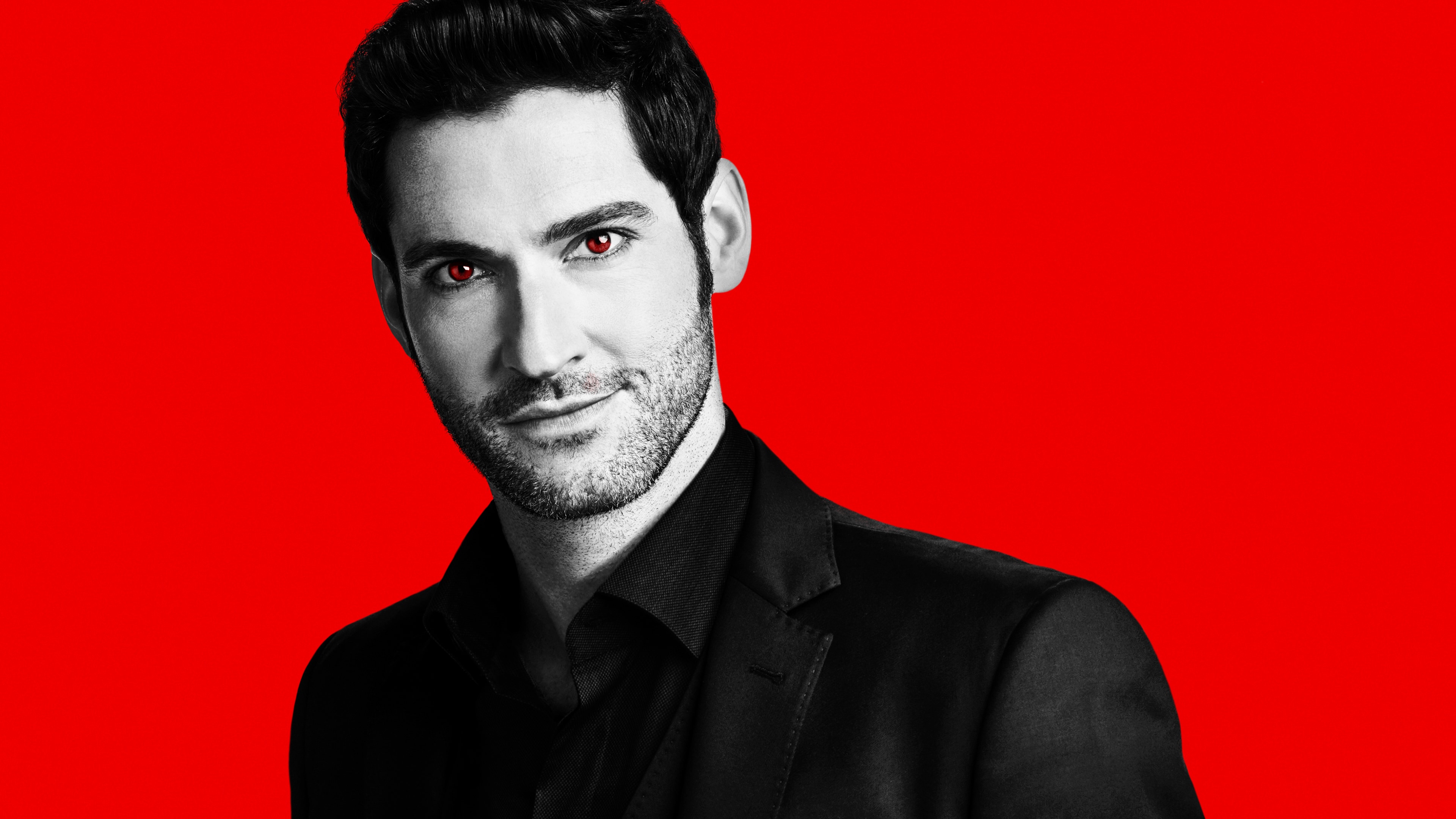
Lucifer (2016 to 2020)
In the show, Lucifer, the character of the same name embodies the Id as he is unfiltered never lying and fulfilling all his cardinal desires that being the literal devil entitles without any shame or guilt as he plays off the superego Detective Chloe Dekker. Unlike other examples of the Id Lucifer is an example of a hero as he uses this lack of shame and filter to live life to the fullest and to help stop crime. Despite being the actual devil who has been unfortunately marked as the ultimate evil.
Pirates of the Caribean Franchise (2003 to 2017)
Captain Jack Sparrow is another prime example of Id as he stumbles through situations as a chaotic entity his androgynous costume and general demeanour seek's his own desires, wanting to be free to sail the ocean he lacks shame and has overbearing confidence in himself allows him to get the upper hand on his enemies. He is freedom incarnate as like Id he just seeks one pleasure to the next forever seeking the next thrill for fear of losing his untethered lifestyle.
Technical Analysis of Id Example:
Super-Ego
Rules and guidelines the principles of reality, by abiding by these rules of society causes neurosis by suppressing pleasures as the view of all societies is neurotic due to them constricting are natural instincts and urges but also is seen in media and in the theory of the self as necessary to keep us grounded and prevent us from committing acts of evil in the goal of self-pleasure. The counterpart to our devil (Id) the Superego is the angel watching out for us in order to keep our mistakes at the minimal.
Examples of Super-Ego in Films and TV:


Technical Analysis of Super Ego Example:
Ego
The ego acts as our self-balance between the Id and the Superego, finding the middle ground between these two opposing elements and is the neutral judge that keeps them both in order as it keeps you centred. Making sure that Id doesn't make you act out of the rules around you and that Superego allows you to accomplish your goals without the crippling fear and buckling in dread of breaking the rules we all learn to follow.
Examples of Ego in Films and TV:

The Grand Budapest Hotel (2014)
The Writer is the ego of the narrative as he acts as the neutral spectator of the audience as we experience him learning the tale of the hotel at the same time we do as he judges the questions and occasional interrupts with questions eventually coming to care for the story and the characters within it.

Ferris Bueller's Day Off (1986)
Sloane acts as the ego between Ferris (Id) and the Cameron (Superego) keeping the balance between the two of them and taking both of there advice throughout the film. She keeps order between the two of them just like an Ego should and switches between both of there sides during there arguments. Without her Ferris and Cameron wouldn't agree on anything and would most likely not be friends by the end of the film due to her reasoning skill and showcasing the perspectives of the characters as she keeps order.
Good Will Hunting (1997)
Sean Maguire is the therapist to Will in the film, throughout the film he switches between siding with Will (Superego) and Society (Id) as he switches between being Wills friend and his therapist as he judges and slowly discovers his coping mechanism and eventually helps Will transform from a cynical superego who believes that the world will hurt him due to past trauma and helps him become an ego as he is able to get him to see the world and what he wants out of it. Sean is ego as he allows both parts superego and Id to be seen with Will and teaches him that despite the world being overwhelming (id) he has a place in it.
Technical Analysis of Ego Example:
The Witch (2015) Theory of the Self Sequence
In The Witch Directed by Robert Eggers, this sequence follows the families eldest daughter Thomason after killing her mother in self-defence making a bargain with Black Phillip (the devil) to have a better life.
The scene uses the theory of the self as we Thomason act as an Ego to Black Philip's Id, as he tries to seduce her to make an infernal deal. This is symbolized through the scenes use of cinematic techniques like Mise en Scene like her Costume symbolising this with the put together conservative white nightgown of the period symbolising her as the superego with its link to innocence/purity and her commitment to god. But the red blood stains is metaphoric of her sins and passion meaning Id and as she converses with Philip it becomes clear she is having an internal struggle between siding with these two sides of her self (Id vs Superego).
We also see the scene bring up Freud's thoughts on society, this is especially apparent in Black Philip's Performance and Dialogue to convince Thomason with promises of a better life as a society in Freud's opinion is innately neurotic as it causes unnecessary pain to those in it due to its restrictions and rules unnatural to us as animals, in this case, it also expands into Thomason's religion as despite praying and believing in god her life has not improved leaving her vulnerable to this temptation by Philip as she wishes to embrace pleasure and be enveloped by the Id he represents. This is added by the Costume of Philip as we see is dressed in spurred black leather gloves and a tricorne hat in all black like a swashbuckler/pirate an entity based in Id as pirates in modern culture represent freedom to do what we like to sin and pursue pleasure without judgment.
The use of Natural Lighting in the scene showcases this battle between the vulnerable Ego of Thomason vs the Id of Philip as she is the only subject lit for the majority of the scene giving it an almost Butterfly Lighting technique appearancee to the shadow, by her being the only one visible due to the Low-Key Lighting around her developing the area in shadow we see the true battle of the scene between her free will as an ego represented by the light and the darkness and loss of self in the heresy and pleasure of the Id, and as the scene goes on we see the shine of the jewellery of Philip further enticing her to act in greed and self-interest and as he touches her we see his black gloves corrupt her pale skin as it further consumes her in darkness.
The use of the continuous Long Take Closeup of Thomason for this scene invokes imagery of the angel and devil on the shoulder we see her at a slightly Low Angle showing us that it is her decision and her decision alone to some to the devil's bargains as this angle represents her power to decide her fate. And as she accepts this bargain she disrobes throwing away and disregarding her control as the ego symbolised through this use of Costume, the use of diegetic whispers for Phillips dialogue further creates this feeling that he is the embodiment of our innermost desires the quiet whispers of desire we all have in our head. As he guides her hand to sign her book we see Thomason has accepted the chaos and the primal pleasure of satan as the scene uses Editing to transition by Cutting to her outside in the night as she walks naked into the dark wood being completely consumed by its darkness (Low-Key Lighting) and due to how vast it looks form the isolating Long Shot we know there is no turning back.
Overall this scene from the Witch shows the theory of the self as we see the balance of the ego and the free will to decide between our desires (id) and society (superego) with its use of Mise en Scene and harsh Natural Lighting/High-Key Lighting the seduction of Black Philips dark desires and through the use of Costume as she disrobes to embrace the primal nature of Id. As well as its use of the Camera as it uses isolating Long Shots to show her vulnerability and her debating the deception between ego and id and how society has driven her to want to experience a pleasure rather than abide by its rules of religion, etc.
My own Example of Id, Ego and Superego (4 Hour Film Challenge)
I think it accurately portrays the archetypes of the 3 elements of peoples personalities with my performance and use of colour and costume design however, I wish I could have perfected the clone editing technique.
Reference List:
Id, Ego and Superego Simplypsychology.org Written by Saul McLeod Updated in 2019 Available (Online):
https://www.simplypsychology.org/psyche.html#:~:text=Freud%27s%20personality%20theory%20%281923%29%20saw,or%20in%20any%20way%20physical.
Freud's Id, Ego, and Superego verywellmind.com Written by Kendra Cherry Medically reviewed by Steven Gans, MD on September 28, 2019, Available (Online):
https://www.verywellmind.com/the-id-ego-and-superego-2795951
Id, Ego, & Superego by PsychU, Jul 13, 2017, Available (Online):
https://www.youtube.com/watch?v=WRtItnRRV1M&ab_channel=PsychU
PSYCHOTHERAPY - Sigmund Freud by The School of Life, Nov 28, 2014, Available (Online):
https://www.youtube.com/watch?v=mQaqXK7z9LM&t=251s&ab_channel=TheSchoolofLife
No Country for Old Men (2007) Directed by Ethan Coen, Joel Coen
Lucifer (2016 to 2020) Created by Tom Kapinos
Pirates of the Caribbean Franchise (2003 to 2017) Directed by Joachim Rønning, Espen Sandberg, Rob Marshall, Gore Verbinski
Harry Potter Film Series (2001–2011) Directed by David Yates, Alfonso Cuarón, Chris Columbus, Mike Newell
The Lion King (1994) Directed by Rob Minkoff, Roger Allers
The Devil Wears Prada (2006) Directed by David Frankel
The Grand Budapest Hotel (2014) Directed by Wes Anderson
Ferris Bueller's Day Off (1986) Directed by John Hughes
Good Will Hunting (1997) Directed by Gus Van Sant
The Witch (2015) Directed by Robert Eggers
Writing the Freudian Trio: Id, Ego, Superego Character Design LaScreenwriter.com Written by John Bucher Available (Online):
https://www.la-screenwriter.com/2016/05/25/writing-the-freudian-trio-id-ego-superego-character-design/
Beetlejuice (1988) Directed by Tim Burton
Interview with a Vampire (1994) Directed by Neil Jordan
Thoroughbreds (2018) Directed by Cory Finley


No comments:
Post a Comment