The theory of light is the theory that a film scene is lit with key light (the primary/main light source in the scene) to illuminate the subject in combination with back light and fill light which is used to reduce contrast/influence the key lighting and still offers the ability to keep a subject in focus.
This is showcased in Three-point lighting which is a traditional method for illuminating a subject in a scene with these three light sources from three distinct positions.
The position of the key light, fill light and backlight is showcased in the diagram below. Biteable
The Key Light is the primary light of the scene. The most intense/direct source of light within a scene, the first light to set up and used to illuminate the form of the subject or actor. Is the base foundation for the lighting of the scene and can be manipulated in multiple ways to create certain effects to change the tone of the scene, Studiobinder gives examples of methods to alter Key light.
"Methods to Manipulate a Key Light:
Diffuse the light for softer lighting,
Bounce the light off a wall or bounce board to create a softer light spread,
Moving the light further from a subject will create harsh shadows,
Adjust the angle of the light to achieve different looks"
Fill Light
Within visual media Fill Light is used to reduce the contrast of a scene to match the range of films detail that we would see with our own eyes and is considered average and normal. This commonly gives films a cinematic aesthetic in the way it assists the scene outlines there models and settings.
Backlighting is a type of spotlight and process of illuminating the subject from the back, this effect creates a glowing effect on the edge of the subject or person, while the other areas are darker. MediaFactory
The Assassination of Jesse James by the Coward Robert Ford (2015)
The use of fill light creates an outline of Jesse James in the light this is to showcase how his reputation has transcended him from a man to a mythical legend as his features of humanity are lost to the outline of a cowboy (with his hat outline) which he is now an eternal symbol for in history.
Own Example/Showcase
The video showcases the effect of each light in the 3 point setup, as we see the backlight and then fill removed from the footage and how this affects the lighting of the subject.
The three-point lighting system is great when experimenting with multiple different lighting styles during one shoot as it allows you to easily achieve a split lighting method by moving the key light to a more side on camera and turning off the fill and background lighting. However, this is just one example of the techniques you could achieve in this setup and unfortunately, this setup is not made to create epiretinal lighting methods as it heavily structured on the common lighting fixtures in photography.
Low Key Lighting
When the background is a lot darker than the face, we call it low-key lighting. This is typically used to create a sinister environment in horror films due to our innate fear of the dark and is used in film noir for a strong contrast between black and white (light and darkness). WolfCrow.com
Nightmare on Elm Street (1984)
Low key lighting in combination with split lighting technique showcases the fear of the character after waking up from a nightmare, however, the shadow encroaching and taking over the room and her shows how she is not safe further indicated by the cross being isolated in the darkness trapped. Saying even god can't help her now.
Evil Dead 2 (1987)
Low key lighting is used to great effect in this scene as it uses it to highlight how Ash cannot escape the cabin from the pitch black background of the forest and the harsh shadows inside the cabin highlight its decay and how the Deadites have taken over and corrupted this environment.
True Romance (1993)
Clarence's father is tortured by the men hunting him down, the low key lighting showcases how the father is surrounded signified by the henchmen and the darkness of the trailer while he sits alone under a natural spotlight. This shows his bravely being the only light in the darkness. However, this epic last stand is then ultimately shown to be pointless when they find the information they were looking for on his fridge after his death.
The Green Mile (1999)
Low key lighting is used to display the characters sadness to execute this man. The lighting highlighting the facial expressions and reactions as they all come to terms with the fact that an innocent man, a good man will die and as the sparks settle from the execution chair so does the characters hope and innocence fade from the film.
Own Example:
High Key Lighting
High-key lighting is a style of lighting that aims to reduce the lighting ratio present in the scene. Originally done partly due to technological limitations of early cinema. This is now usually used to imply an upbeat mood or within dream sequences. Contrastly.Com
Harry Potter Deathly Hallows: Part 2 (2011)
High key lighting is used to signify that Harry is in the afterlife the white colour plate to invoke the description of heaven within the Christianity so when he reunites with Dumbledore we understand that Harry is dead.
Thor: Ragnarok (2017)
Thor has a vision of his father for the last time, the natural lighting of Iceland becoming high-key as it represents the familiar lighting of Asgard which is foreshadowing for where the Asgardians are going to live in future Marvel films. This is also to represent heaven which is why Thor is able to contact his father from beyond the grave giving him the knowledge and hope (represented by the high key light) to defeat his sister.
500 Days of Summer (2009)
The protagonist's happy mood is manifested with the use of high key light as it invokes imagery of old Hollywood musicals in combination with the upbeat music signifies the characters honey mood period of dating summer, this scene is then repeated with the lighting reversed to lowkey to show the deterioration of his mood later in the film. However, this scene is used to perfectly showcase what the early parts of dating someone can feel like as the lines between reality and fictional fairytale blur.
Elysium (2013)
The use of high key light on the rich colony of Elysium was used to showcase how it was paradise however in this last one n d the lights of Elysium go out and then are deactivated the light urns into hope for the future citizens of Elysium that Max has sacrificed himself to allow them to come to Elysium, he in a way opens up the gates to heaven and allows the poor and unfortunate to live like the rich who have abused their power on the lower class from this paradise the whole film. This use of light signifies the new hope humanity has in its future where all can live without pain and suffering.
Own Example:
Lighting Technique and Examples
Rembrandt Lighting
Used in studio photography and cinematography, it is created by using a light and a reflector (or using two separate lights) used due to its ability to make an image seem natural and compelling with only a few pieces of equipment. Commonly used to highlight a singular subject and used in the industry for headshots of models and actors as it highlights the features in the lighting while also giving a natural look to the model's appearance giving both a more flattering image while also being accurate to the models face.
Originated due to its use in the portraits by a dutch painter called Rembrandt Harmenszoon Van Rij, in his paintings which had the same light on the subjects which hold the iconic triangle under the subjects eye and due to its dynamic look is still used in photography today.
Self-Portrait with Beret and Turned-Up Collar (1659)
Rembrandts portrait showcases his technique as it highlights the features of the subject as it showcases the lines within the face while drawing the eye due to its harshness on the side of the subjects face making a dark portrait eye-catching using light rather than colour.
Adorama: "How to get Perfect Rembrandt Lighting: Take and Make Great Photography with Gavin Hoey" Jan 2, 2020
Edge/Split Lighting
Split lighting is a technique that has the key light harshly lighting one side of a subject's face, while the other side is unlit in darkness and shadow.
Evenly split in light and darkness on the technique is usually used to create symbolism, whether it be the moral decision a character must make one good one evil. This is most often used in cinema in the crime and drama genre as it is used to show the descent of a character into darkness as they make increasingly more and more decisions for self-benefit as they are seduced by crime such as The Godfather (1972) and Goodfellas (1990).
Dtcommercial.com "split-lighting-diagram" by Jodi Jones November 11, 2016
Breaking Bad (2008 - 2013)
Walter Whites morale transition from working dad to drug lord throughout the series using split lighting as we see him become corrupted by the power and control he gets over others as he sells more and more meth. This split lighting highlights the man Walter was to the man that he is slowly becoming with each act of violence and power he gains from his illegal activities.
Butterfly lighting or Paramount Lighting ( due to its origin in old Hollywood Glamour Photography) is when the key light is above a subject and centred on there face, creating a shadow under the nose giving a clear view of the model's facial features. This is also used in the industry for headshots of models and actors due to its flattering portrayal and its clean texture allowing you to clearly see the models face. Can be used in films to look back on old Hollywood like The Artist (2011) which focuses on the silent film period use butterfly lighting in static shots to reenact this photos of the film stars from the golden age of Hollywood.
Stackexchange.com "What is butterfly lighting, and when do I use it?"
This defining photo of Marilyn Monroe uses butterfly lighting to capture her image and is an iconic depiction of her at the height of her career and is often reimagined in photos in modern photography to this day and is used often as a symbol for old Hollywood stars.
Fstoppers "How to Photograph a Headshot with Butterfly Lighting" Nov 22, 2015
Experimental Lighting
Experimental Lighting is a term used to describe unconventional forms of lighting in a scene or photo, this term can be used to describe anything from the use of gels to create colour tinted light in scenes or use of large shadows with standalone use of Key Light.
Twin Peaks (1990 - 1991)
David Lynch uses experimental lighting in his films and within the show, Twin Peaks to create a dream-like environment as it seems like a fantasy. The singers being highlighted in blue lighting shows the sad emotion she brings to the lyrics of the song as often in media the colour blue is used to symbolise sadness and expresses the sadness the characters listening to her as they all feel trapped in the town of twin peaks. Her being lit in blue while the rest of the stage is in red can also showcase the men in the audiences desire to be with her (red meaning passion) however this blue spotlight indicates how she is unattainable out of reach.
Richard Kovacs: I Will See You in My Dreams, ItsNiceThat.Com
Richard Kovac uses blue experimental lighting with the hard outline of his subjects unableness to be with each other as their features are invisible and the title of the piece emphasises the wish to see each other in their dreams, which can be symbolic of lost love or deceased loved one this image none the less it uses experimental lighting to create a sense of longing in the viewer.
Own Two Examples (shadows and using makeshift materials)
Overall I accurately showcase examples of different lighting setups, however, I think it could be more understandable and helpful to understand the difference between lighting setups by showcasing a model being lit by these different methods and evaluating the metaphoric and the technical difference in each.
despite me demonstrating experimental lighting to improve in the future I should light a subject and use them to create a deeper meaning to my image whether creating emotion with colour gels or some other method of experimental techniques.
Reference List:
Biteable, "The Best Video Lighting Kits to Make Your Videos Look Pro" (Online) Available at:
Nightmare on Elm Street (1984) Directed by Wes Craven, Evil Dead 2 (1987) Directed by Sam Raimi, True Romance (1993) Directed by Tony Scott, The Green Mile (1999) Directed by Frank Darabont
Gabriel M, "Understanding The Basics of High Key vs Low Key Lighting" (Online) Available at:
Harry Potter Deathly Hallows: Part 2 (2011) Directed by David Yates, Thor: Ragnarok (2017) Directed by Taika Waititi, 500 Days of Summer (2009) Directed by Marc Webb, Elysium (2013) Directed by Neill Blomkamp
Rembrandt Portrait, Self-Portrait with Beret and Turned-Up Collar (1659)
Split Lighting Example,
Breaking Bad (2008 - 2013) Showrunner Vince Gilligan
Butterfly Lighting Example,
ExpertPhotography.com "10 Best Portrait Lighting Patterns (Using Just One Light!)" by Hillary Grigonis (Online) Available at:
Many filmmakers use montage combined with older cinematic technology, like 8mm to create an older/nostalgic aesthetic. Making the footage feels like the past and even dreamlike.
This has been used across many different films, one o the most notable of the last decade is Damien Chazelle La La Land (2016).
This montage uses this old cinematic style to create a dream of another life these characters could have had together and showcased their morning over the possibilities of what could have been if their lives were different. It's linked to the older musicals like 1952's Singing in The Rain as they think of a happy ending that wasn't meant to be in all of its bright colour and memories that were never made.
My Example
My montage uses this style differently by using it in combination with the social realism genre, making it feel reminiscent of old British cinema about the working class and the battle against poverty established in the British new wave. Makes the event feel real and authentic, this is especially due to my use of news footage and audio to outline the disorder in the government and the UK during the Coronavirus Pandemic.
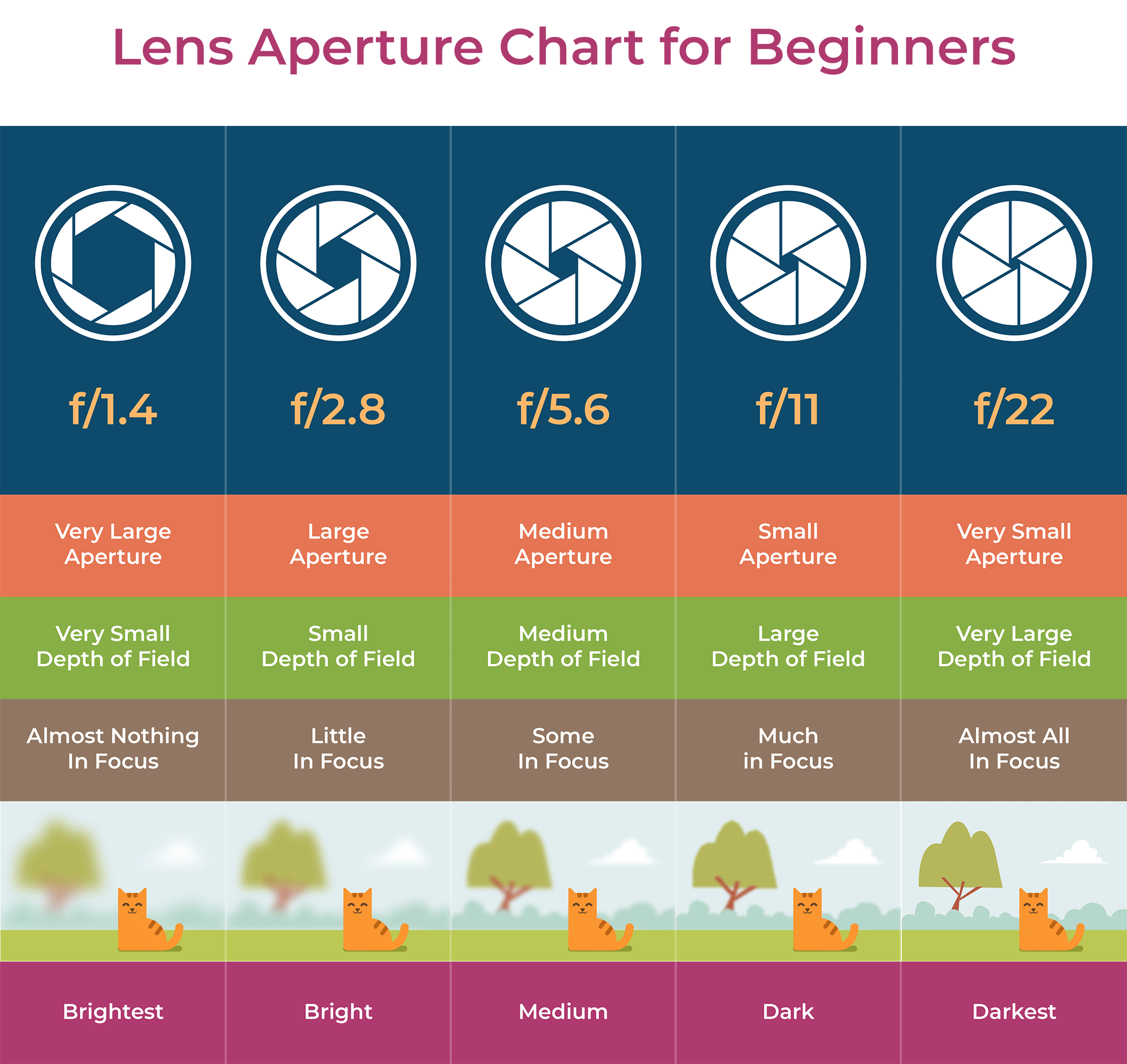
The aperture of a film camera is the hole in the lens that opens or closes to let more or less light into the camera used in combination with the shutter speed and ISO of the camera to determine the length of film exposure (affecting the brightness of the image).
Much like our own eyes aperture works like our pupils expanding in the dark and shrinking and closing from bright light, this is the example most commonly given and is outlined in Studiobinder's "Ultimate Guide to Camera Aperture What is Aperture & the Exposure Triangle Explained [Ep 1]". This affects how the film is lit and used by filmmakers much like colour, lighting and other filmmaking techniques to affect and change the mood of a scene by effecting how the light hits the camera lens.
Large/High Aperture
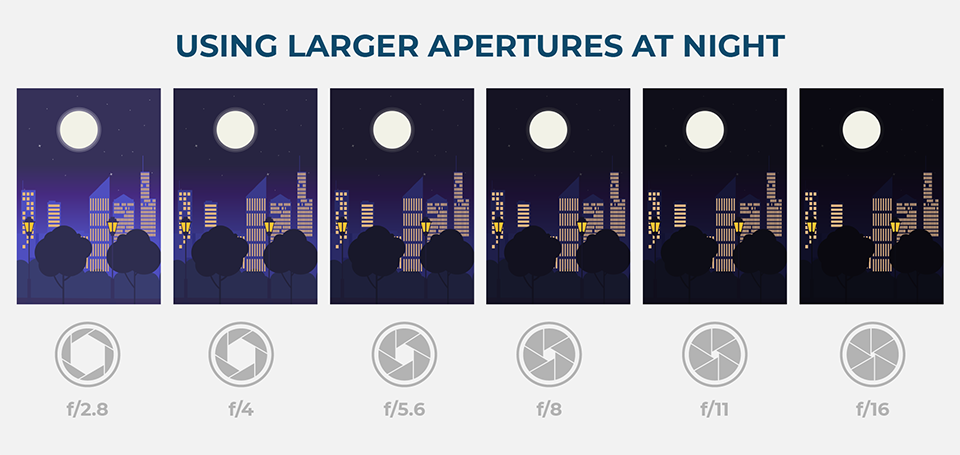
When using a higher aperture a scene can become darker as if effected by low key lighting (creating more sinister undertones). This can also be used to create a large depth of field which is good when creating establishing shots as you want everything to be in focus.
Skyfall (2012)
Establishing/Longshot creates an ominous presence of James Bonds family home and emphasises the dark backstory this represents as we see the white bright background contrasted with the dark gothic architecture of the manor.
Small/Low Aperture
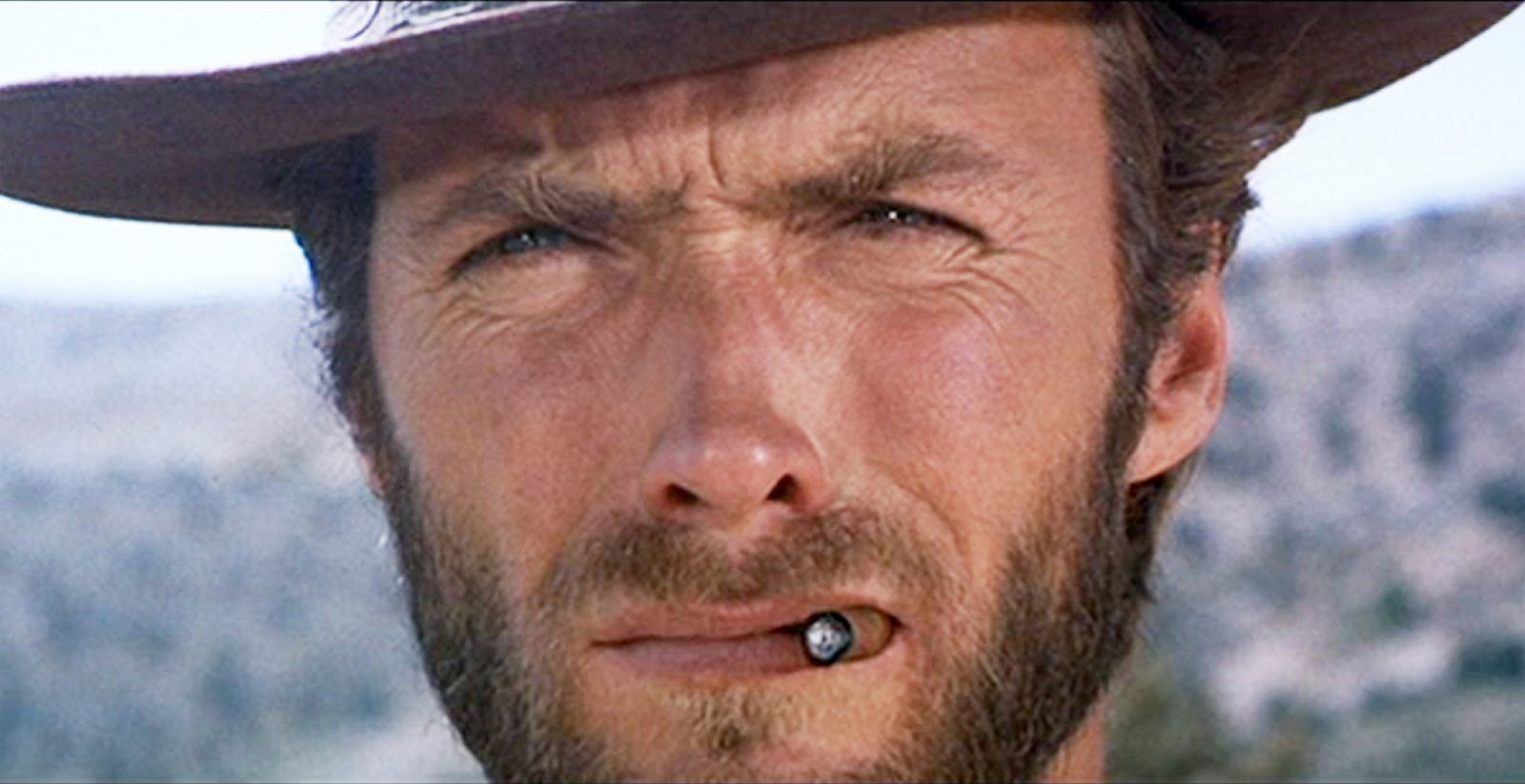
Aperture can also make a scene brighter and more visible as if effected by high key lighting when the aperture is lower (creating a happy dreamlike tone/aesthetic) and is used to create a shallow depth of field keeping a singular model in focus which is most commonly used in combination with closeups to outline individual character reactions/facial expressions.
The Good, the Bad and the Ugly (1966)
This shallow depth of field and closeup is used to showcase Clint Eastwoods's characters calm demeanour despite the high stakes situation, showcasing that he is not afraid and is in control.
Medium/Middle Aperture
The most commonly used aperture setting this is used most often in conversation/dialogue scenes when they need to keep multiple targets in focus and allows for the focus to remain on the subject while keeping the background present.
Fight Club (1999)
In this shot, Tyler and Jack remain in focus with the beauty consultant while also keeping the background in focus outlining how they are using consumerism (outlined with the heavily populated shop) to fund their own anti-consumer terrorist group. We see the disinterest of Jack as he looks off the frame and outlines how Tyler is using the beauty consultant for his own means with there engaged body language.
My footage clearly shows how aperture affects the lighting of footage as I label my aperture number in each clip from the brightest aperture setting of F2.8 to the darkest of F16.
If I was going to do this task again I would film the same area/model to more easily showcase the difference aperture makes in visual media. Overall, however, in my opinion, I accurately showcased aperture by filming during the same natural lighting during the same shooting day.
What is a Lens?
Lenses are the glass piece a camera see's through and what light from a scene whether it be key, back or fill lighting shines through glass shapes called Glass Elements which bend/are refracted onto a Focal Point on an Image Sensor creating the picture/footage.
Each lens is made with a different focal length which uses millimetres (mm) to measure the optical centre of a lens to the image sensor rather than the actual lens size, which affects the angle of view. Which films use to achieve different effects from a technical standpoint or from a storytelling perspective as it can be used to create distance between the model and the camera making a shot feel intimate or isolated.
The angle of view is "How much of the scene in front of the camera will be captured by the camera's sensor"Sony.co.uk.
The longer/bigger the focal length creates a narrower angle of view which creates a higher magnification (size an object will appear on your camera's sensor to image in real life).
The shorter/smaller focal length creates a wider angle of view and the lower the magnification. Nikonusa.com
Types of Lenses
Lenses can be either Prime or Zoom Lenses.
Prime lenses are always at a fixed focal length due to there lack of lens features when compared to a zoom lens it instead creates a sharper image good when trying to film a scene in low key lighting to there increased aperture level allowing them to take in more light. The larger aperture also creates a shallow depth of field which can be used to focus on the subject of a scene.
Zoom lenses, despite there low aperture levels they make up for it in versatility as zoom lenses can change their focal length without switching lenses, allowing them to switch between close-ups medium shot and longshots in one fluid motion. Known as the zoom in and zoom out camera technique it allows time and effort of the camera operator/cinematographer to be saved.
A prime lens is used in this shot of The Wolf of Wall Street (2014) to showcase the plan of the protagonist as we follow a single take (or at least made to look like single take) tracking shot through his plan as we keep the subject of the trucking shot in focus allowing the audience to visual link the subject to the voice-over while applying a more engaging vidual to keep them interested. This also recreates the hectic fast-paced environment of the stock market/Wallstreet and makes us feel in on the plot with Leonardo DiCaprio character as we see this fantasy of success and riches in the movie due to the intimate and engaging use of camera thanks to the eye-level positioning combined with the sharply focused imagery of a prime lens.
Zoom Lens Example:
The Shinning (1980)
Zoom in effect used with a zoom lens used to showcase the madness of jack as the large room within the hotel is shrunk down into a closeup of Jack Nicholson as we see him perform a classic Kubrick stare as his facial expression doesn't change as he looks off-camera. Showing Jacks growing seduction to the evil of the hotel as it cuts to the next day, this showcases Jacks growing unhinged mind within this trapped and isolated environment inside the overlook hotel as the close up reflect the forced isolation of the family and how jack is slowly getting closer and closer to enact violence on his own family like the previous caretaker of the hotel.
18 to 24mm, can showcase landscapes by being used within an establishing shot or used for closeups. Some due to there distortion can transform an extreme into a fisheye lens creating an unnatural observed perspective making them common in films where a person mind is used as they exaggerate/distorted facial features.
Fear and Loathing in Las Vegas (1998)
Due to the characters mental state due to the number of drugs within there system the fisheye lens is used to showcase the distortion of reality he can see while affected by these substances. As the closeup becomes uncomfortable with the lens distorts of the image to make it seem like he is being pulled out of the screen. This also showcases the character as unhinged with his facial expressions becoming more exaggerated from the lens distortion making his face and head seem bigger than they should be.
Wide Angle Lens
24 to 35mm great for capturing wide shots and helps create an engaging movement like when using establishing shots at it allows the setting around them to remain in focus.
It can also be used to establish relationships between characters a closer distance to make it feel intimate and a larger distance to make it feel emotionless/disconnected. Tighter spaces feel more open. Partially useful in a lower budget film with a limited set space as it can make your setting seem bigger while also outlining people relationships without the need for dialogue, this is especially necessary when creating characters that have a history off-screen together.
The Martain (2015)
Long shot using a wide-angle lens showcases characters isolation on mars as the vast landscape goes into the far distance out of sight. The cinematographer has done this to showcase the film's themes of man vs nature as he outmatched a surrounded on all sides by an inescapable desert that throughout the film will test and challenge him as well as establishing the setting of the movie.
Standard Lens
35 to 50mm for more natural style due to it being the lens most in common with the human eye due to its focal length being most in common with our eyes perception of reality.
Commonly used in films that emphasized realism like those in the social realism sub-genre, like that in British New Wave films like Kes (1969) and documentary films interviews to keep the audience grounded in the reality of whatever topic it is exploring.
The Florida Project (2017)
Shot on 35mm using a standard lens Florida project creates a natural environment which in combination with the natural lighting of the child actors makes the events of the film feel real. In this scene where they get ice cream, this standard lens captures a common childhood memory we can all remember. The use of this naturalism lens with the saturated colours makes the scene feel so tragic as they are unable to afford ice for all of them as their kids living out of a motel in poverty.
Telephoto Lens
70mm or above sometimes referred to as long lenses, these lenses do the opposite of the standard lens as they are used to capture a distant subject making us feel like we are spectating others in the shoot rather than making us grounded within it. They often compress space and allows the shot to isolate a character among many or highlight a character in an empty making them seem small and their efforts seem futile as they are alone in the void of the setting, a long distance away from the camera, making the distance the character has to travel to get to us feel eternal, which could be used in films to emphasise isolation or to highlight them as an individual depending on its use.
Midnight Cowboy (1969)
The protagonist in Midnight Cowboy is outlined using a telephoto lens due to his outfit in comparison to the men and women around him it is made clear he is the odd one out in the city. Showcasing his struggles to make it in the city where he thought his dreams would come true this effect isolates him as inexperienced and naive. Which throughout the film we will see how he is punished by the harsh streets of new york which change him from an old fashioned cowboy to a desensitized modern man.
Macro Lenses
Defined by its focusing ability rather than focal length like the other lenses, ass they are incredibly varied for example you could a lens that's considered a fisheye lens but has a focal length of 35mm. They are defined by capturing extreme closeups with vivid detail, meaning magnification ratio 1 to 1 meaning images gathered to represent the real scale/size of the subject.
Other macro lenses can have bigger ratios to increase the size of its subjects but you have to consider the minimum focusing distance when using this lens as you must figure out how far or close you need to be to capture the subject and depending on whether you can get close enough to it.
This is perfect for extreme closeup and nature documentaries allowing you to look safely at the dangerous animals from a safe distance as well as making insects more clearly visible to the naked eye.
Seven (1995)
Extreme closeup perfect example use of macro lens creates an uncomfortable atmosphere as we see the character slicing their own fingerprints off, due to its clinical look under the more lighting the macro lens makes it look like we are analysing a piece of evidence as this shot collaborated with other extreme closeups f the crime scenes allowing the audience to put the clues together.
We were put into groups and made a showcase of different lenses available in our studio here's one of the examples the class created which outlines the different lenses with varying focal lengths, using the same model in the same setting with the only variable being the changed being these lenses, showcasing how a lens changes a shot composition entirely.
Overall I have clearly indicated a deep understanding of camera lenses through my examples and definitions where I discuss why and how they are used in the clips/screenshots I have showcased. However, if I was to recreate the example showcase of lenses I would try and have a more detailed background and a 3 point lighting setup to me accurately showcase the difference between the camera lenses due to there focal lengths.
Referencing List:
Aperture Section:
Skyfall (2012) Directed by Sam Mendes
The Good, the Bad and the Ugly (1966) Directed by Sergio Leone
Fight Club (1999) Directed by David Fincher
Mansurov N, Last Updated on April 6, 2020, "Understanding Aperture in Photography" (Online) Available at: